


























The Upper West Regional Health Directorate has begun preparations to drive the implementation of the government’s Free Primary Healthcare (FPHC) Policy across the region, training health officials from all 11 districts to lead its rollout at the community and facility levels.


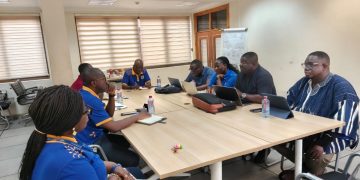
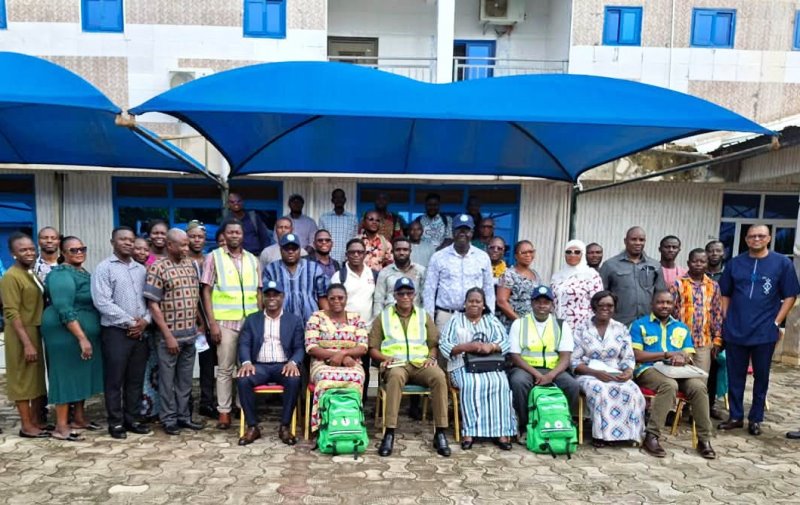
The one-day Training of Trainers (ToT) programme, held on Thursday, September 3, 2026, brought together District Directors of Health Services, FPHC focal persons and other health officials to build the capacity needed to translate the policy into services for residents.
The training is expected to create a district-level implementation structure through which trained officials will cascade the FPHC guidelines to sub-districts and health facilities across the region.
At the heart of the training were practical tools for taking primary healthcare closer to communities, including home visits, patient navigation, referrals, client tracking and follow-up.
The approach is intended to strengthen early access to healthcare and ensure that people who need care are not lost between communities, health facilities and referral points.
Participants were also trained in the standardised use of home-visit and patient-navigation tools and job aids in line with national implementation guidelines.
The programme was supported by key stakeholders, including the National Health Insurance Authority (NHIA), which provided participants with further orientation on the Free Primary Healthcare Policy.
Director warns against poor implementation
The Upper West Regional Director of Health Services, Dr Josephat A. Nyuzaghl, described the policy as one of his major priorities and urged health managers to ensure that the training produces measurable improvements in healthcare delivery.
He said the success of the policy would ultimately be judged not by the training of health workers but by whether people in communities actually experienced improved access to essential healthcare.
Dr Nyuzaghl therefore charged District Directors and health managers to demonstrate commitment, professionalism and diligence as they take the policy to the district, sub-district and facility levels.
He also disclosed that logistics required for implementation had been provided and cautioned health workers to manage them responsibly to ensure their sustainability.
Focus on community-based care
The Regional FPHC Focal Person, Ambrose Naawa, took participants through the policy’s implementation arrangements, including the essential service package and service delivery mechanisms.
The Chief Nursing Officer, Gladys Cheyuo, focused on nursing and midwifery standards, particularly home visits, documentation, referrals and continuity of care.

The Deputy Director in charge of Clinical Care, Pharm Tahir Mohammed Abarry, led practical sessions on patient navigation, including the two-stage navigation pathway, communication loops, client tracking, follow-up and navigation status.
Technology also featured prominently, with the Regional IT Officer, Mr Acheampong, training participants on digital enrolment, referral notifications, client tracking and other digital processes required for implementation.
The Regional Health Directorate said the training was designed to promote a uniform and accountable approach to implementing the policy across the region.
Dr Nyuzaghl, in his concluding remarks, reiterated his determination to see Free Primary Healthcare take centre stage in Upper West and urged health workers to remain focused on ensuring that the policy delivers tangible benefits to communities.
The trained district teams are now expected to cascade the knowledge and practical skills acquired to health facilities within their respective jurisdictions as the region prepares for broader implementation of the policy.
Source: www.kumasimail.com