




















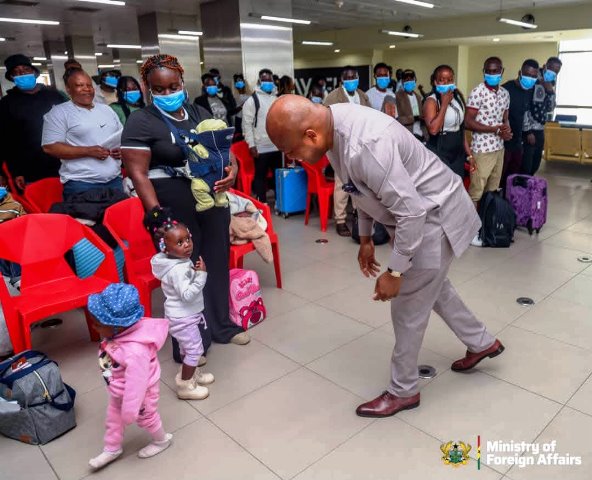
The Government of Ghana has concluded its evacuation exercise for nationals affected by the recent wave of xenophobic attacks and anti-foreigner violence in South Africa, with the arrival of the final batch of 41 Ghanaians in Accra.


The returnees arrived at the Accra International Airport on Friday, September 4, 2026, bringing to nearly 1,900 the number of Ghanaian citizens voluntarily evacuated from South Africa since the exercise began in May.
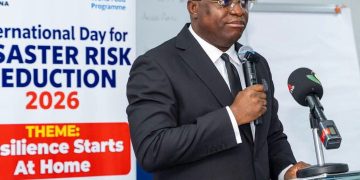
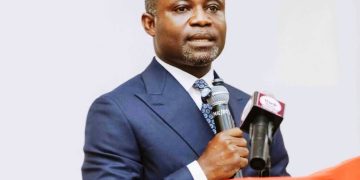
Foreign Affairs Minister, Samuel Okudzeto Ablakwa, who met the final batch on arrival, said the exercise had become necessary following growing threats to the safety of Ghanaian nationals amid renewed attacks targeting foreign nationals in parts of South Africa.
The latest wave of violence began intensifying in April 2026, particularly in parts of KwaZulu-Natal, including Durban, where anti-foreigner campaigns and protests increasingly turned against African migrants.
Groups including Operation Dudula and another civic movement identified by Ghana’s Foreign Affairs Ministry as “March and March” reportedly intensified campaigns against foreign nationals, with some members stopping people in public places, demanding proof of nationality and immigration status and, in some cases, carrying out what were described as “citizen’s arrests”.
The situation generated fear and uncertainty among migrant communities as reports of harassment, intimidation, attacks and destruction of businesses involving foreign nationals increased.
Ghanaians were also caught up in the unrest.
The Ghanaian Government first facilitated the return of Emmanuel Akowuah Asamoah, a Ghanaian who appeared in a widely circulated video linked to the xenophobic incidents. He arrived in Ghana on May 5 after the government, through the Ghana High Commission in Pretoria, took steps to relocate him to safety.
The development prompted the Ministry of Foreign Affairs to issue an advisory to Ghanaians in South Africa and opened registration for citizens who felt unsafe and wanted to return home.
By mid-May, more than 800 Ghanaians had registered with the Ghana High Commission in Pretoria for evacuation, prompting President John Dramani Mahama to approve the repatriation exercise.
The first phase saw 926 Ghanaians evacuated from Johannesburg on three chartered flights on May 27, June 6 and June 7.
A second phase began in July, using commercial flights to facilitate the return of another group of Ghanaians who had voluntarily opted to leave South Africa.
The evacuation, however, came against an increasingly tragic backdrop.
Two Ghanaian nationals were killed during the unrest and their remains were subsequently repatriated to Ghana. Among them was 44-year-old Bashiru Isak, a father of three, who was fatally shot in Khayelitsha, Cape Town, during an attack on June 30.
Another Ghanaian, Antwi Kwadwo, was murdered in Prieska in South Africa’s Northern Cape in the early hours of July 18.
In August, a third Ghanaian evacuee died shortly after arriving at the Accra International Airport during the ongoing repatriation exercise.
The three deaths have been recorded in connection with the evacuation exercise, according to the Foreign Affairs Minister.
With the arrival of the final 41 returnees, Mr Ablakwa said the Government had now completed the exercise and expressed appreciation to President Mahama for his commitment to the safety and welfare of Ghanaians abroad.
Addressing the returnees, he urged them not to lose hope but to remain resilient and deploy their skills, experience and energy towards rebuilding their lives and contributing to national development.
He also urged the returnees to prioritise their health and seek medical attention when necessary as they begin the process of settling back into their communities.
Beyond the reintegration allowance provided by Government, the Minister said the returnees would continue to receive support through measures designed to facilitate their reintegration.

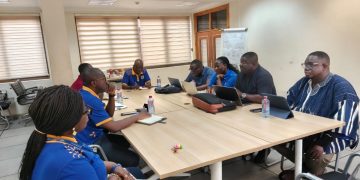
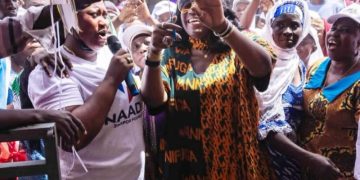
Officials from the Ministry of Foreign Affairs, National Disaster Management Organisation (NADMO), Ghana Immigration Service, Ghana Health Service, Port Health Authority, Ghana Red Cross Society and the Ghana Armed Forces have been involved in receiving and supporting the returnees.
The Government has also established a multi-agency Presidential Task Force on Reintegration to link returnees to employment, entrepreneurship and skills development opportunities.
Mr Ablakwa assured the public that the Ministry of Foreign Affairs would provide a full account of funds expended on the evacuation exercise.
He expressed gratitude to the various state agencies, allied institutions and private-sector partners whose support, including accommodation and other assistance for displaced Ghanaians awaiting evacuation, contributed to the exercise.
The returnees, for their part, expressed appreciation to the Government for prioritising their safety and facilitating their return to Ghana.
The conclusion of the evacuation brings to an end a four-month emergency repatriation operation triggered by renewed xenophobic tensions that left hundreds of Ghanaian residents fearful for their safety and uncertain about the security of their homes, businesses and livelihoods in South Africa.
Source: www.kumasimail.com