


































The Minister of Transport, Joseph Bukari Nikpe, has directed the Volta Lake Transport Company Limited (VLTC) to work with the Ghana Ports and Harbours Authority (GPHA) and Ghana Railway Development Authority (GRDA) to establish a seamless system for moving containers from the Tema Port through the Volta Lake to Buipe.


Mr Nikpe said the development of the inland water transport route would provide a cheaper and more efficient alternative for moving cargo to northern Ghana while reducing pressure on the country’s roads and easing congestion at the Tema Port.
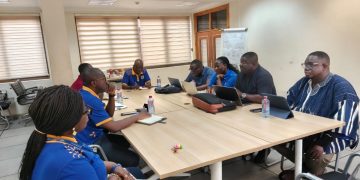
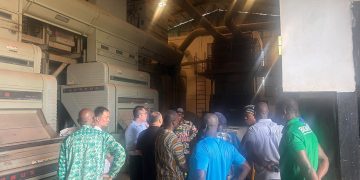
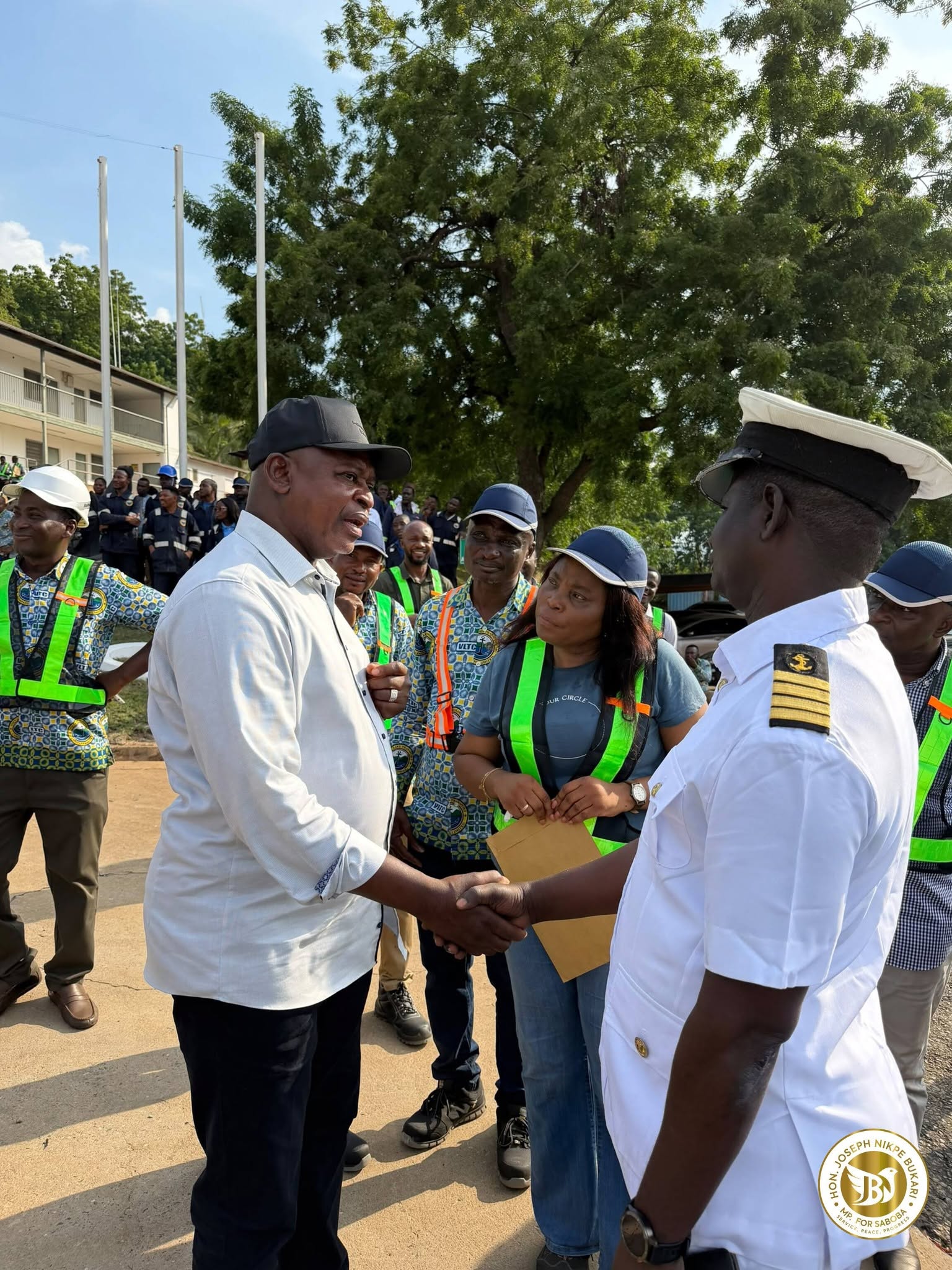
He gave the directive when he visited the VLTC as part of his nationwide working tour of key transport infrastructure, including the Tema–Mpakadan railway network.
The Minister said the visit would have been incomplete without assessing the readiness of the state-owned lake transport operator to complement the country’s railway and port infrastructure.
He said he was encouraged to find that VLTC had barges ready to begin transporting containers from Tema to Buipe, building on its existing north-south operations involving commodities such as cement and petroleum products.
“This presents a significant opportunity to introduce a more efficient and cost-effective route for moving cargo, while reducing the pressure on our roads and easing congestion at the Tema Port,” Mr Nikpe said.
Tema–Mpakadan–Buipe corridor
The proposed arrangement would see containers arriving at the Tema Port transported by rail to Mpakadan, where they could be transferred to barges for onward movement along the Volta Lake to Buipe in the Savannah Region.
It would effectively connect Ghana’s seaport, railway and inland waterway systems into a single freight corridor serving the northern parts of the country.
The VLTC already operates north-south services between Akosombo and Buipe, transporting petroleum products and solid cargo. Its current fleet includes vessels such as the MV Buipe Queen, MV Volta Queen and MV Yapei Queen.
The company, incorporated in 1970 and a subsidiary of the Volta River Authority, has historically transported passengers, petroleum products, cement and other cargo on the Volta Lake.
Its existing operations provide a foundation for the proposed container service, although the scale-up will require stronger coordination between the lake transport operator, ports and railway agencies.
Minister wants systems ready
Mr Nikpe therefore tasked VLTC to work closely with GPHA and GRDA to put in place the infrastructure, systems and logistics required for the transfer of containers between the different modes of transport.
“I have therefore urged VLTC to work closely with the Ghana Ports and Harbours Authority and the Ghana Railway Development Authority to ensure that the systems and logistics required for seamless container movement are put in place to commence operations as soon as possible,” he said.
The Minister’s push for greater use of inland waterways is consistent with his earlier call for heavy cargo, including petroleum products and agricultural produce, to be shifted from roads to waterways to reduce road maintenance costs and improve road safety.
Mr Nikpe has previously argued that moving heavy cargo by water would be cheaper and help reduce road crashes associated with long-distance haulage.
Buipe’s strategic importance
Buipe is already an established northern terminus for VLTC’s lake transport operations and serves as an important logistics point for the movement of petroleum products and other commodities into northern Ghana.
VLTC says its south-north service currently transports liquid cargo, including petroleum products, and solid cargo between Akosombo and Buipe, with journeys taking roughly five to eight days.
The company’s existing role in fuel transportation is also significant to Ghana’s petroleum supply chain. BOST has identified VLTC’s river barges as an alternative route for transporting fuel from Akosombo to Buipe, helping to reduce reliance on road haulage.
The development of a container service could therefore broaden the commercial role of the Volta Lake beyond its traditional cargoes.
Gateway to Sahel
Mr Nikpe said the government’s ambition was to establish an integrated transport system in which roads, railways, ports and inland waterways complement each other rather than operate as separate networks.

“Our vision is to build a truly integrated transport system in which our ports, railways, roads and inland waterways complement one another to facilitate the efficient movement of passengers and cargo,” he said.
He said a functioning Tema–Mpakadan–Volta Lake–Buipe corridor could strengthen Ghana’s position as a logistics and transit hub for the northern parts of the country and landlocked countries in the Sahel.
“The movement of containers from Tema through the Volta Lake to Buipe will be an important step towards strengthening Ghana’s logistics network and improving the country’s capacity to serve the northern parts of Ghana and landlocked countries in the Sahel,” Mr Nikpe said.
The concept is not entirely new. Earlier plans for the Eastern Corridor Multi-Modal Transport Project envisaged container ports at Akosombo and either Yapei or Buipe, alongside other infrastructure to improve the use of the Volta Lake for freight movement. VLTC has also previously identified the potential for expanding its operations through additional vessels and improved infrastructure.
For the current administration, however, the completion and operationalisation of the Tema–Mpakadan railway provides an opportunity to turn that long-standing multimodal transport vision into a functioning freight corridor.
Mr Nikpe said government would work with the relevant institutions to ensure the opportunity translates into a sustainable component of Ghana’s transport system.
Source: www.kumasimail.com