



















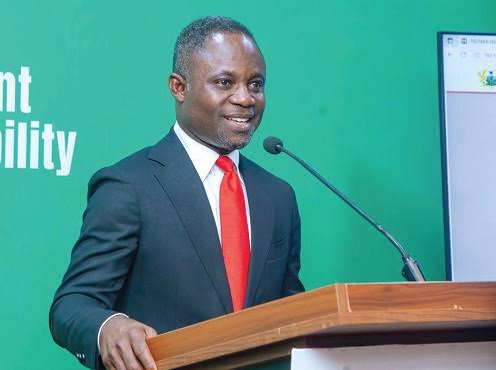
Government’s Free Primary Healthcare Programme has been extended to 135 of Ghana’s 216 districts, as part of efforts to improve access to basic healthcare and strengthen preventive services at the community level.


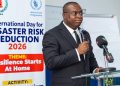
The Minister for Health, Kwabena Mintah Akandoh, disclosed this at a press conference, saying the programme is designed to shift the focus of healthcare delivery from treating illnesses at health facilities to preventing and detecting diseases within communities.
Under the initiative, government is seeking to make basic primary healthcare more accessible to citizens, particularly at the community level.
The programme forms part of the government’s broader drive towards Universal Health Coverage, with the objective of ensuring that people can access essential healthcare without being prevented by financial or geographical barriers.
The policy builds on Ghana’s existing primary healthcare system, including Community-based Health Planning and Services (CHPS), which was established to bring basic preventive and curative services closer to households and underserved communities.
The Ministry of Health has identified equitable access to quality primary healthcare as a key component of the country’s Universal Health Coverage agenda.
Government’s approach also places greater emphasis on preventive healthcare, including early screening and detection of conditions such as hypertension, diabetes and some cancers, alongside maternal and child health services, immunisation and treatment of common ailments.
Mr. Akandoh said GH¢35 million has been allocated for population-based payments to service providers participating in the programme.
The payment model is intended to support healthcare providers to plan and deliver services to defined populations rather than relying solely on payments linked to individual patient visits.
Ghana’s health financing reforms have identified population-based and person-based payments as mechanisms for strengthening primary healthcare and shifting resources towards community-level services.
The Health Minister said the programme is expected to bring healthcare services closer to residents and encourage greater emphasis on prevention and early intervention.
The expansion comes against the backdrop of persistent challenges in access to primary healthcare, particularly for communities where distance, cost and inadequate infrastructure can discourage people from seeking care.
The Ministry of Health’s National Health Quality Strategy notes that access to healthcare varies significantly by location and level of care, while more than half of surveyed primary-level facilities lacked some basic equipment and infrastructure.
Government has therefore positioned the Free Primary Healthcare Programme as a key intervention to strengthen the foundation of Ghana’s health system, reduce preventable illnesses and improve access to essential services.
The programme is expected to complement other government health initiatives aimed at reducing the financial burden of serious illnesses and improving the overall health and wellbeing of the population.
Source: www.kumasimail.com