





































The government has announced that 2026 will not be a year for major renegotiations of conditions of service across the public sector, citing the need to maintain fiscal stability and industrial harmony.


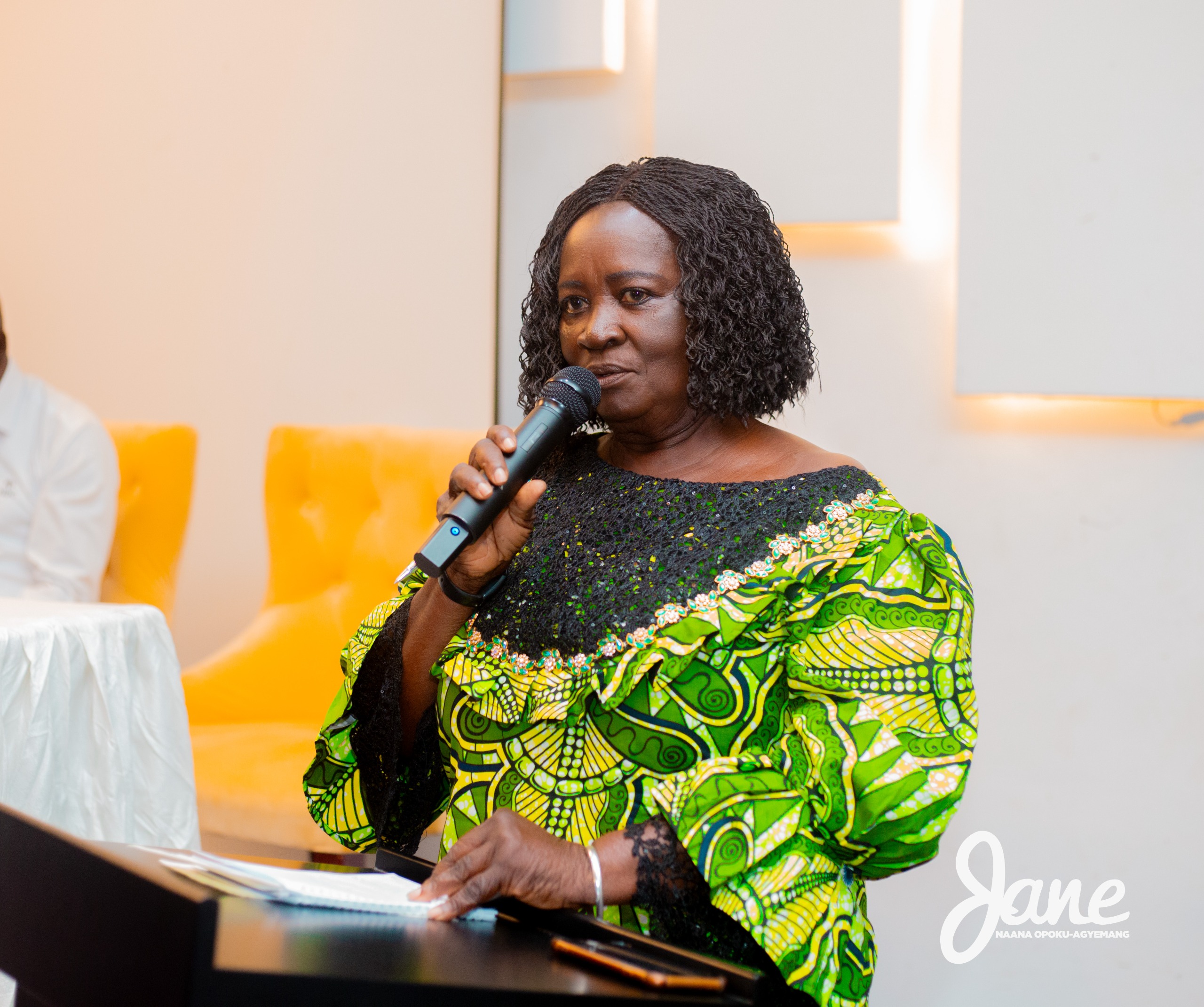
Vice President Prof. Jane Naana Opoku-Agyemang made the announcement at the National Labour Conference 2026, explaining that the decision forms part of efforts to stabilise the compensation system and complete ongoing reforms to the country’s emolument framework.
According to her, rather than broad renegotiations, government will introduce targeted and modest improvements to selected allowances as an interim measure.
“In the interest of stability and responsible fiscal management, government has proposed that 2026 will not be a year for major renegotiation of conditions of service across the public sector,” she said.
“Instead, targeted and modest improvements to two selected allowances will be implemented as an interim measure while the foundational reforms to our emolument systems are completed.”
Prof. Opoku-Agyemang said the approach is intended to manage expectations, preserve industrial peace, and create the necessary environment for the implementation of a new public sector compensation framework.
She also highlighted the importance of protecting the welfare of pensioners, stressing that pension security remains a critical concern for workers after retirement.
“The provision of decent pensions for our pensioners is of utmost importance,” she said, adding that many workers face significant financial challenges when they retire and lose access to several employment-related benefits.
The Vice President assured workers that government remains committed to protecting the value and integrity of pension assets and meeting its obligations under the Social Security and National Insurance Trust (SSNIT) and other two-tier pension schemes.
She further outlined government’s plans to accelerate economic growth through initiatives including the 24-hour economy policy, which she said is designed to maximise the use of Ghana’s resources and support the transition towards an export-driven economy.
The policy, she explained, will encourage offices, factories, and services to operate in three shifts.
Prof. Opoku-Agyemang added that government is working to provide reliable and affordable energy, a 24-hour public transport system, security, lighting, and incentives to support the implementation of the policy.
She said the measures are aimed at creating jobs, boosting productivity, and positioning Ghana for sustainable economic growth.
Source :www.kumasimail.com