







































The Health Facilities Regulatory Agency (HEFRA) has intensified inspections of health facilities in the Upper East Region as part of government efforts to ensure healthcare services meet regulatory standards and support the effective delivery of President John Dramani Mahama’s free primary healthcare initiative.


The enforcement exercise, which targets compliance with licensing and operational standards, is aimed at safeguarding patient safety and improving the quality of healthcare rather than indiscriminately shutting down facilities.
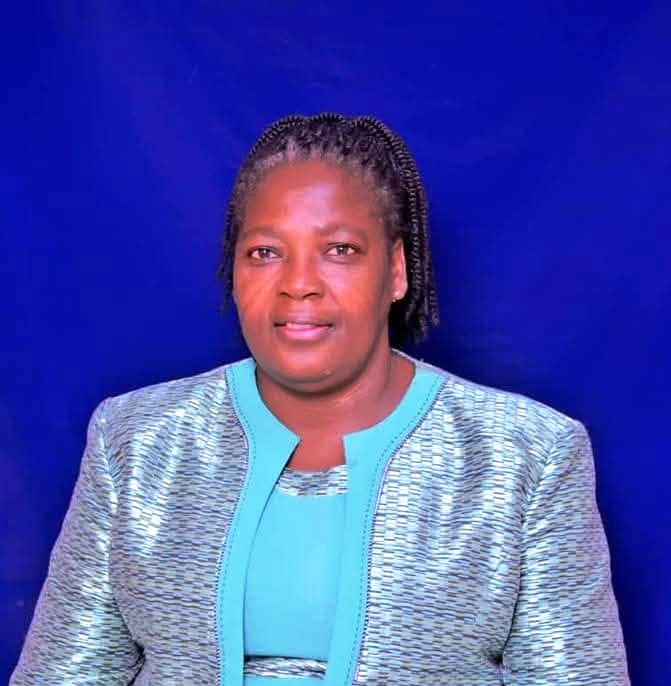
Deputy Registrar of HEFRA, Professor Vida Nyagre Yakong, said the agency’s approach focuses on helping facilities correct deficiencies while applying sanctions proportionate to the nature of violations identified.
“It is not always about closure,” she said during an interview on Bolgatanga-based Dreamz FM’s Breakfast Show on Friday, monitored by KumasiMail. “It is about what is missing and what can be done to improve so that facilities can return to compliance.”
Professor Yakong explained that HEFRA works closely with facility owners after inspections to ensure identified shortcomings are addressed, stressing that permanent closure remains a last resort, especially in underserved communities where healthcare access is limited.
She said the regulatory exercise is intended to ensure patients receive safe and quality healthcare, noting that poor laboratory practices could result in inaccurate diagnoses and inappropriate treatment, ultimately undermining confidence in the health system.

According to her, the agency is particularly focused on protecting vulnerable patients who may be unable to determine whether healthcare facilities are properly licensed or operating in accordance with national standards.
Professor Yakong acknowledged that public education on HEFRA’s regulatory mandate had been inadequate in previous years but said the agency has stepped up awareness efforts following the establishment of its Upper East Regional Office earlier this year.
She disclosed that HEFRA will organise workshops for health facility owners and practitioners while expanding public education through radio programmes in English and local languages to improve compliance with health regulations.
Professor Yakong also called on the public to report suspected malpractice or unsafe conditions at health facilities, describing public participation as essential to strengthening healthcare delivery and ensuring government health policies are implemented effectively.
Source: www.kumasimail.com