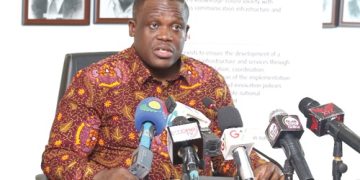

































The Municipal Chief Executive (MCE) for the Effia-Kwesimintsim Municipal Assembly (EKMA), Hon. Abdul Majeed Nasaam Dokurugu, has revealed that the assembly lost 4,000 out of the 10,000 birds it received under the government’s Nkoko Nkitinkiti flagship programme.


According to the MCE, the deaths occurred shortly after the first batch of birds arrived. He explained ,”We have received our first batch of 10,000 birds because we are made up of two constituencies. We are expecting a total of 20,000 birds from the government. The first 10,000 that arrived recorded a very high mortality rate. We lost over 4,000 birds within the first three days of receiving them.
Following examinations by our veterinary unit, the company distributing the birds and the Regional Directorate of Agriculture, the report indicated that the deaths were the result of yolk sac disease, meaning the chicks were infected at the hatchery.”
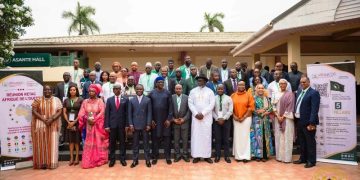
Hon. Dokurugu made the disclosure during the first Western Regional Coordinating Council meeting held in Takoradi.
Speaking to reporters on the sidelines of the meeting, he assured that the remaining birds are healthy and that no additional deaths have been recorded since the initial losses. He also announced that the assembly is expecting another consignment of 10,000 birds within the next few days.
“From the first batch, we now have a little over 5,000 birds, and they are currently in their third week. We are expecting another 10,000 birds. Out of that, 5,000 were received two days ago, and they are also doing well. We expect to receive the remaining 5,000 on the 17th of this month, which is this Friday.”
The MCE further disclosed that some beneficiary farmers have expressed concerns about the type of birds supplied under the programme. According to him, the farmers questioned the suitability of the broiler breed, arguing that broilers are primarily reared for meat production and may not be be ideal for sustainable backyard poultry farming.
“The only concern at the moment is that we understood this programme was intended to encourage backyard poultry farming. However, the type of birds supplied to us are broilers.
From our research and discussions with poultry farmers, we have been made to understand that broilers are mainly for meat production and are not suitable for breeding. We therefore appealed to the authorities to consider changing the remaining 10,000 birds yet to be supplied.
However, we were informed that this is the breed agreed upon under the government’s contract. We are now engaging the committee to determine the best way forward so the programme can achieve its intended impact in the community.”