









































The Ministry of Fisheries and Aquaculture Development is reviewing proposals to introduce vessel tracking systems and emergency alert devices to help locate fishermen in distress and improve response times during emergencies at sea.


The proposed interventions include distress buttons that would allow fishermen to communicate their location and request assistance when their canoes encounter difficulties during fishing expeditions.
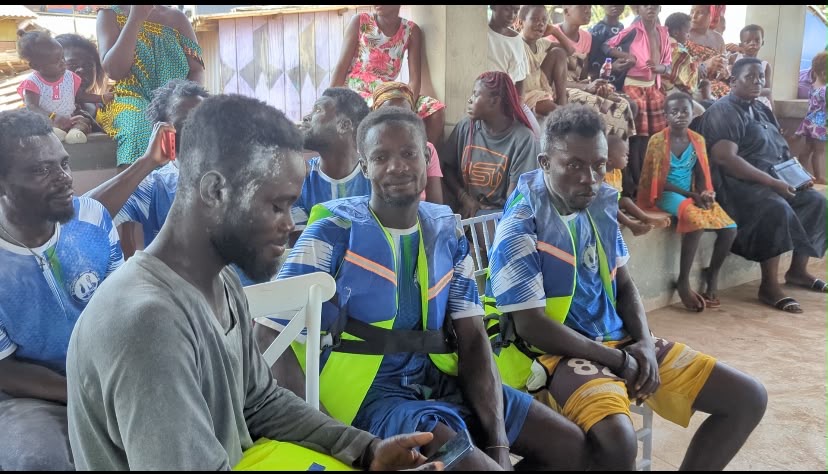
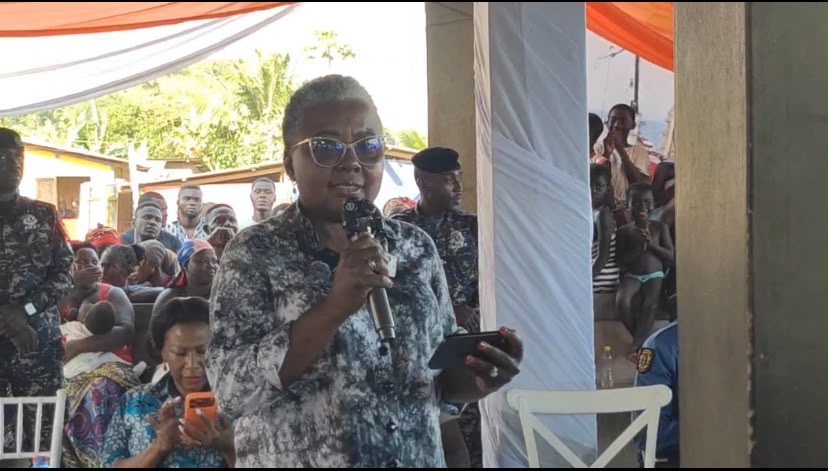
Minister of Fisheries and Aquaculture Development, Emelia Arthur, disclosed this at a gathering to welcome seven fishermen from Ngyeresia in the Western Region who were rescued after spending 12 days missing at sea.
The fishermen, who were aboard a canoe named Second Chance, were rescued in Benin’s territorial waters after their canoe reportedly drifted about 120 nautical miles offshore following an engine failure.
Madam Emilia Arthur said the proposals were under review and would inform the development of regulations aimed at improving safety within Ghana’s artisanal fishing subsector.
She explained that the Ministry was pursuing a safety framework that combines modern technology, traditional fishing knowledge, effective regulation and coordination among institutions responsible for maritime safety.
The initiative, she noted, was intended to give fishermen greater confidence when venturing out to sea, knowing that systems could help authorities locate them and facilitate timely assistance when emergencies occur.
However, the Minister cautioned that technology alone could not guarantee safety, stressing the need for proper vessel maintenance, adequate safety equipment and compliance with established requirements.
Beyond the proposed technological interventions, Mrs Arthur called on canoe owners, chief fishermen, fishing associations and crew members to ensure that their vessels carry essential safety equipment before every fishing expedition.
She identified paddles, sails, anchors, first-aid kits and spare outboard motors as important equipment that could help fishermen manage emergencies when their primary engines fail.
According to her, these are longstanding safety practices within Ghana’s artisanal fishing communities that must not be abandoned in the pursuit of modern technology.
Source:www.kumasimail.com