



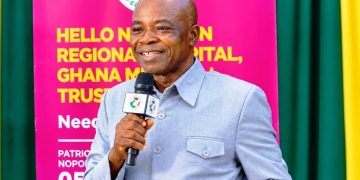





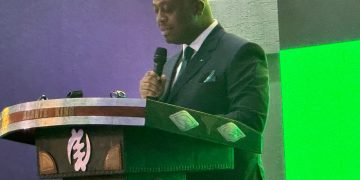




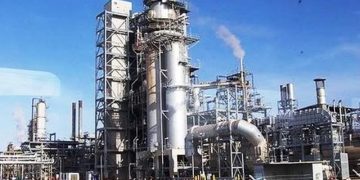

























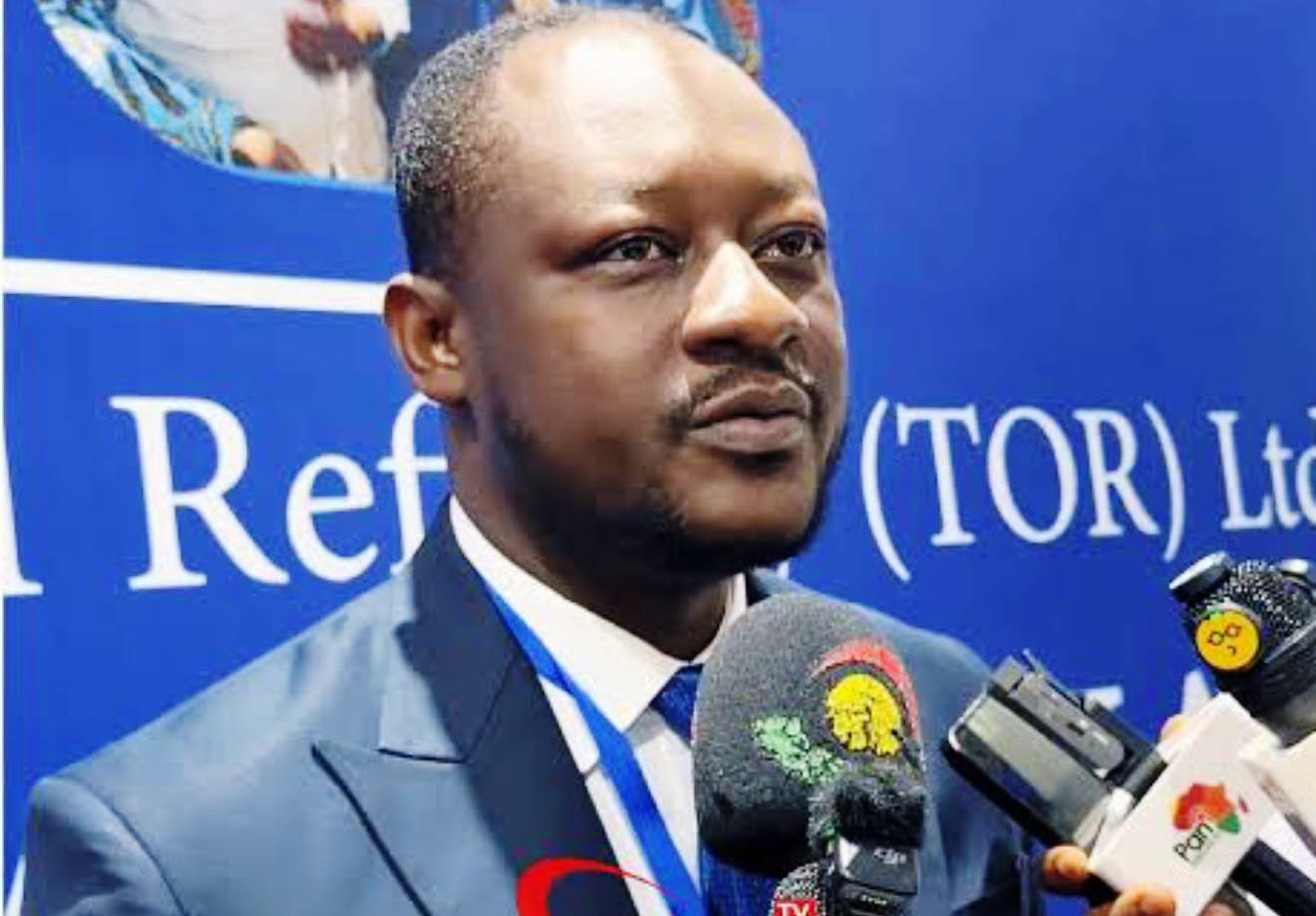
The Tema Oil Refinery (TOR) has recorded a profit before tax of GH¢1.24 billion for 2025, marking its first return to profitability in a decade, Managing Director Edmond Kombat has disclosed.


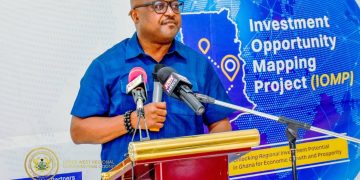
Mr Kombat announced this at the Government Accountability Series, where he outlined the refinery’s financial recovery, improvements in corporate governance and efforts to address years of accumulated liabilities.
According to him, TOR’s trade and other payables declined from GH¢7.1 billion to GH¢5 billion within a year, representing a reduction of GH¢2.1 billion.
The improvement forms part of a broader financial restructuring programme aimed at restoring the refinery’s financial position and establishing a sustainable commercial operating model.
Mr Kombat said management had also completed the company’s outstanding audited financial statements for 2019 to 2024 by April 30, 2026, followed by the 2025 accounts on May 30, 2026.
The seven audited financial reports were submitted to the State Interests and Governance Authority (SIGA) and presented at TOR’s 18th Annual General Meeting on June 30, 2026.
He said the refinery had also held an annual general meeting to consider outstanding financial statements covering 2017 to 2025, as part of efforts to improve transparency, accountability and compliance with statutory obligations.
The disclosure marks a significant development for a company that, according to Mr Kombat, had failed to file audited financial statements for six consecutive years, from 2019 to 2024, before the current administration’s recovery programme.
Debt burden and financial restructuring
Mr Kombat said TOR entered 2025 with accumulated losses of approximately GH¢10 billion, while its debt had increased from about US$300 million in 2016 to approximately US$517 million.
He further disclosed that the refinery had recorded negative equity of GH¢7.6 billion by the end of 2024.
The company’s liabilities included GH¢200 million owed to the Ghana Revenue Authority (GRA), GH¢20 million to the Social Security and National Insurance Trust (SSNIT), and GH¢190 million in outstanding obligations to staff provident funds, retirees and former employees.
TOR also owed the Electricity Company of Ghana (ECG), Ghana Water Company Limited and other commercial entities, including state-owned enterprises such as the Ghana National Petroleum Corporation (GNPC) and the Volta River Authority (VRA).
Management, he said, had opened discussions with SSNIT, the GRA and other creditors to establish sustainable repayment arrangements.
The refinery had also pursued outstanding receivables, reviewed its unaudited accounts and strengthened financial controls.
The Ministry of Finance is currently working with TOR to consider either writing off US$120 million of legacy debt owed to the government or converting the amount into equity, Mr Kombat disclosed.
The proposed arrangement is expected to form part of efforts to improve the refinery’s financial structure, although no final decision on the options was announced in the presentation.
Recovery programme
Mr Kombat said management had launched Project Restore TOR to return the refinery to full operations, improve its financial position and prepare it for long-term sustainability.
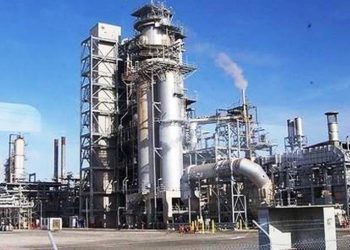
The programme has involved the rehabilitation of critical processing infrastructure, the resumption of stalled projects and reforms to the refinery’s administrative and financial systems.
Management has also pursued improvements in staff welfare, reviewed conditions of service and job descriptions, and engaged worker unions to rebuild confidence within the company.
The recovery programme has created 1,657 permanent and temporary jobs, including 415 young engineers recruited into permanent positions.
Another 301 temporary workers were engaged for maintenance of the Crude Distillation Unit (CDU), while 287 workers were engaged for the Residue Fluid Catalytic Cracking (RFCC) Unit.
In addition, 654 people were employed by 35 local contractors working at the refinery.
Mr Kombat said more than 6,500 indirect and temporary workers were also engaged during the turnaround works.
Commercial sustainability
Beyond restoring production, management is developing a five-year strategic plan to guide investment decisions, business reforms and the refinery’s future growth.

The plan is expected to support efforts to establish TOR as a commercially sustainable enterprise, with the government also announcing plans to restructure the company to reduce undue political interference.
The refinery’s financial recovery remains tied to its ability to sustain profitable operations, meet its statutory obligations and address outstanding debts while funding the maintenance and expansion of its facilities.
Mr Kombat’s presentation did not provide a detailed breakdown of the factors that contributed to the GH¢1.24 billion profit before tax recorded in 2025.
The extent to which the reported profitability will translate into sustained positive cash flows and a stronger balance sheet will therefore remain an important measure of the refinery’s recovery.
Source: www.kumasimail.com