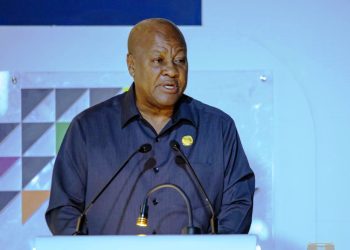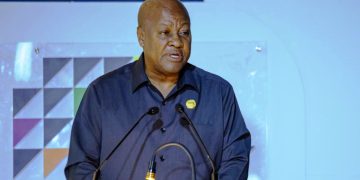


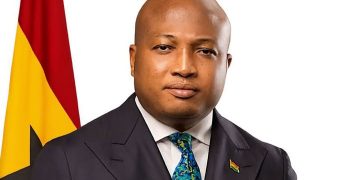




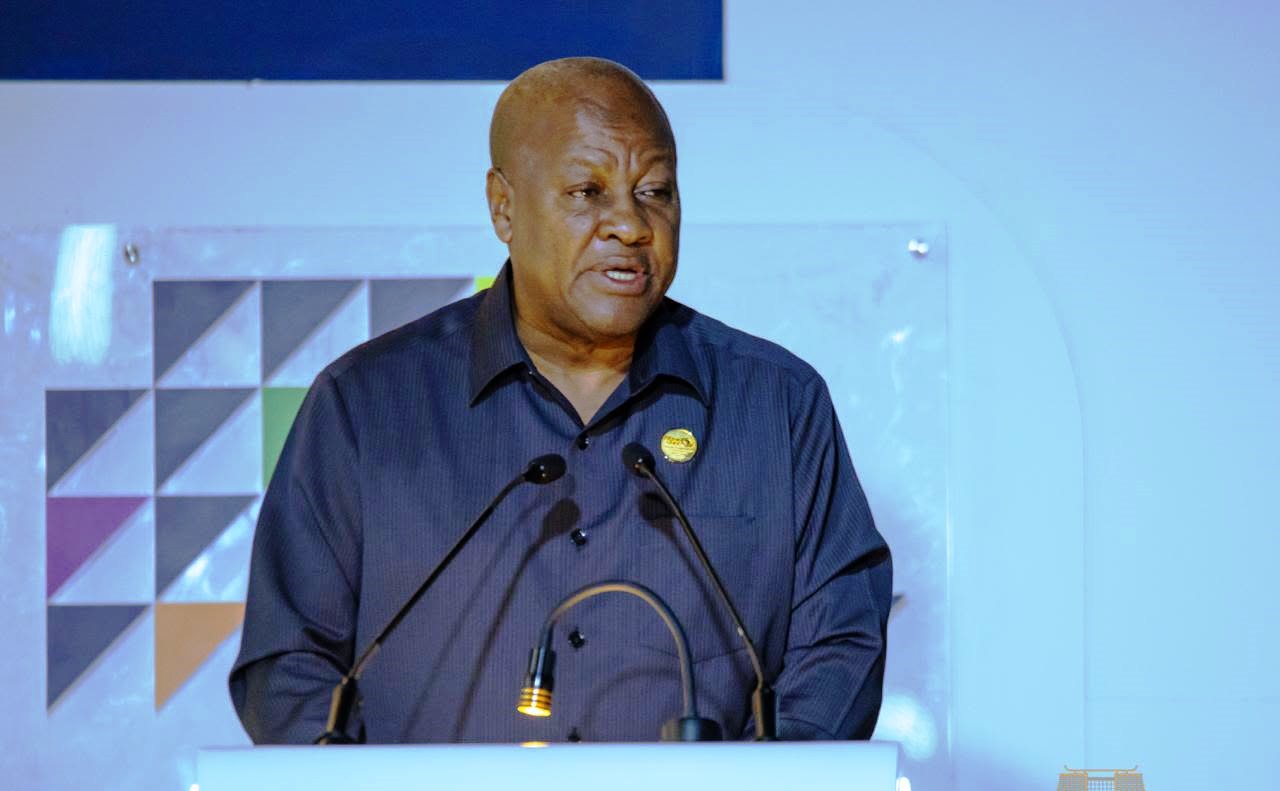
President John Dramani Mahama has welcomed what he describes as a significant shift in the United Kingdom’s position on the transatlantic slave trade, following an acknowledgement by UK Prime Minister Andy Burnham of the atrocities associated with the trade and the British government’s openness to a formal apology and structured dialogue on reparatory justice.


In a statement released on Sunday, November 1, 2026, President Mahama expressed “cautious optimism and appreciation” over the UK Prime Minister’s position, describing it as a bold and honest reckoning with Britain’s historical involvement in slavery and colonialism.
President Mahama, who serves as the African Union Champion on Reparations and Chair of the Global Advisory Panel on Reparatory Justice, commended the development as a refreshing contribution to the growing international consensus on reparatory justice.
He noted that the statement came in the wake of the landmark adoption of a Ghana-led United Nations resolution declaring the transatlantic slave trade and the racialised chattel enslavement of Africans the gravest crime against humanity.
He particularly welcomed the UK government’s openness to dialogue, despite Britain’s abstention during the vote on the resolution.
President Mahama described the development as a watershed moment, emphasising Ghana’s unique historical connection to the transatlantic slave trade.
He recalled that Ghana is home to numerous slave forts and castles, including those at Cape Coast, Elmina and Christianborg, which served as sites where millions of Africans were detained, dehumanised and shipped across the Atlantic into slavery.
According to him, while acknowledging the atrocities and offering a formal apology cannot reverse the injustices suffered by millions of Africans and their descendants, such steps would represent a crucial departure from historical denial and create opportunities for healing and reparation.
The President reaffirmed Ghana’s solidarity with African Union member states, the Caribbean Community (CARICOM) and Africans in the diaspora, stressing the need for a coordinated international approach to reparatory justice.
He endorsed calls for structured, good-faith dialogue involving the African Union, CARICOM, the African diaspora and countries that participated in the system of chattel enslavement.
President Mahama acknowledged that stakeholders might hold differing views on the nature and scope of reparatory justice but insisted that such differences should not undermine their shared objective of achieving healing and meaningful redress.
He outlined key areas that should form part of the proposed dialogue, including a formal apology, coordinated international efforts to dismantle systemic racism and Afrophobia, and targeted investments in education, science, youth empowerment, climate resilience and healthcare.
Other priorities include the restitution of stolen cultural heritage and strategic development partnerships aimed at addressing structural poverty and reforming inequitable global economic and debt systems that continue to constrain developing countries.
He referenced the Accra Reset and the Bridgetown Initiative as important frameworks for addressing these structural challenges.
The President also identified the Accra Next Steps Commitments, CARICOM’s Ten Point Plan and African Union declarations on reparatory justice as providing a clear foundation for the proposed discussions.
He commended Prime Minister Burnham and UK Foreign Secretary Ed Miliband for what he described as their moral leadership, arguing that confronting historical injustices is not a sign of weakness but an act of statesmanship and justice.
President Mahama expressed confidence that sustained dialogue, supported by genuine political will, could deliver lasting justice, reconciliation and healing while preventing the recurrence of racism and discrimination.
“Ghana is ready to walk this road in full partnership with the African Union, CARICOM, members of our global coalition, and the United Kingdom,” he stated.
The statement was issued by Felix Kwakye Ofosu, Member of Parliament, Spokesperson to the President and Minister of Government Communications, on Sunday, November 1, 2026.