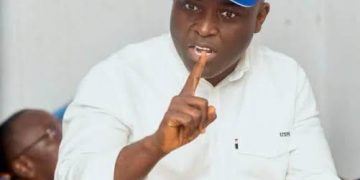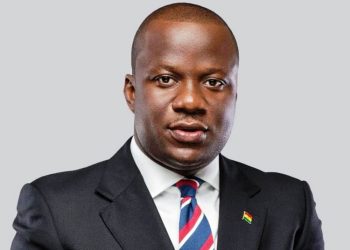


















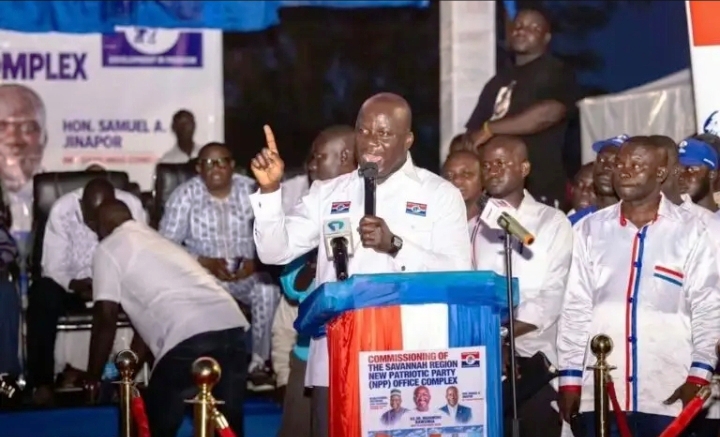
Damongo MP Samuel Abu Jinapor has challenged the John Mahama-led government to demonstrate a stronger record of job creation and development in his constituency, insisting that his commitment to improving the lives of his constituents will not weaken because the New Patriotic Party (NPP) is now in opposition.


He also challenged government appointees in the constituency to an open debate over their respective contributions to employment and youth empowerment, arguing that his interventions had delivered more opportunities than the current administration’s efforts.
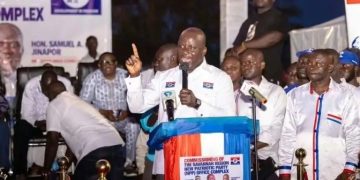
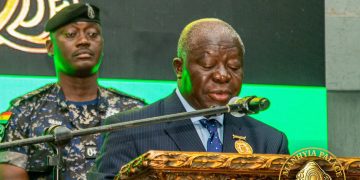
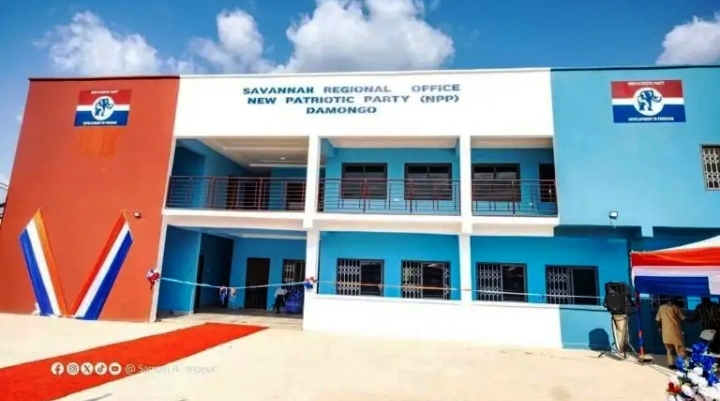
Mr Abu Jinapor made the remarks on Friday during the commissioning and official handover of the NPP’s new regional office complex in Damongo, Savannah Region.
He dismissed suggestions by some members of the governing National Democratic Congress (NDC) that his development interventions in the constituency depended on the NPP being in government.
According to him, his engagement with the people of Damongo began in 2016, four years before he was elected MP in 2020, and his record of service should be judged by the opportunities and development initiatives he has facilitated.
He cited interventions in youth employment, women’s empowerment, rural electrification, healthcare and agricultural support, insisting that he remained determined to expand such initiatives despite the party’s return to opposition.
Citing employment opportunities he facilitated at the Minerals Commission, the MP argued that his contribution to job creation at the institution alone exceeded opportunities generated across several sectors under the current administration.
He further accused the Mahama government of failing to fulfil the employment expectations it created among young people while in opposition and during the 2024 election campaign.
Accuses NDC appointees of sidelining grassroots supporters
Mr Abu Jinapor also turned his attention to alleged divisions within the governing NDC, accusing some government appointees of abandoning party members, particularly young people, whose efforts contributed to the party’s return to power.
He alleged that some appointees had become disconnected from the grassroots, discriminating against party members in the distribution of appointments and other opportunities while taking credit for benefits intended for deserving constituents.
He specifically questioned the distribution of government appointments and opportunities earmarked for the Damongo Constituency.
According to him, President John Dramani Mahama, whom he described as a son of the Savannah Region with maternal roots in Busunu, had made provisions for the constituency to benefit from government appointments.
However, he alleged that some appointees had taken control of the process and sidelined intended beneficiaries.
In an appeal to NDC members who felt neglected, the Damongo MP urged them to consider joining the NPP, assuring them of a warm reception.
Pledges more support for constituents
Looking ahead, Mr Abu Jinapor pledged to intensify his support for women through initiatives aimed at strengthening small businesses and improving their economic independence.
He assured constituents, particularly NPP supporters, that his commitment to their welfare and development remained unchanged, irrespective of the party’s political fortunes.

He also pledged support towards completing the NPP’s regional office complex in the Northern Region, describing investments in party infrastructure as important to strengthening the party’s organisational structures.
The new Savannah Regional office is expected to serve as an administrative and organisational centre for the NPP as it works to rebuild its structures and political fortunes ahead of future elections.
The commissioning ceremony brought together party supporters and executives from across the country, representatives of the Minority Caucus, party elders and other stakeholders.
Among those present was the Member of Parliament for Walewale, Abdul-Kabiru Mahama Tia, who represented the Minority Caucus, alongside regional party executives from the Upper West, Upper East, Northern and Bono East regions.
Source: www.kumasimail.com