































The Upper East Regional House of Chiefs has thrown its weight behind a 10-year development framework aimed at transforming the region into an agricultural and industrial hub, with a strong focus on enterprise creation, job opportunities and improved livelihoods.


The traditional authorities have endorsed the PEARL Development Framework (2026–2035), describing it as a major opportunity to unlock the region’s economic potential and accelerate socio-economic development.
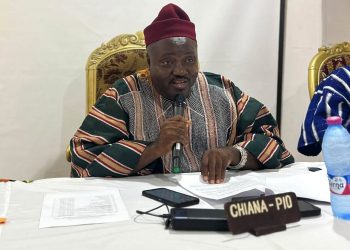
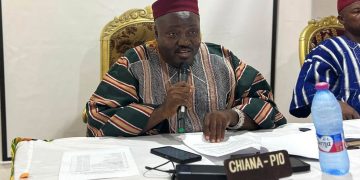
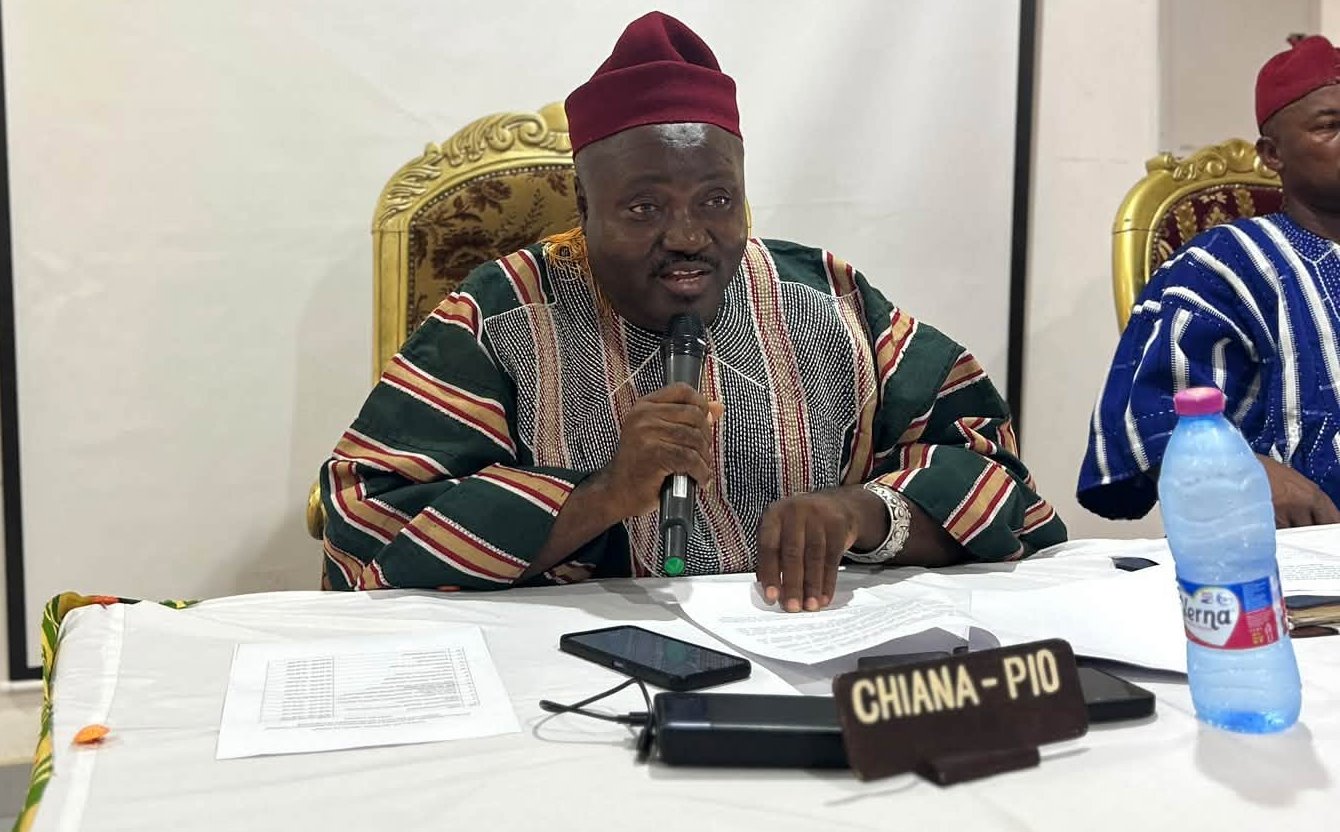
President of the Upper East Regional House of Chiefs and Regional Representative of the Council of State, Chiana-Pio, Pe Ditundini Adiali Ayagitam III, said the success of the ambitious blueprint would depend on strong collaboration among government institutions, traditional authorities, district assemblies, the private sector and local communities.
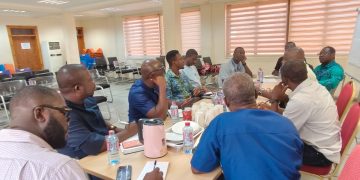
Addressing the second session of the House at its conference hall in Bolgatanga, he stressed that regional transformation could not be achieved through government efforts alone.
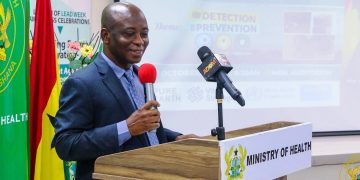
The PEARL framework, which stands for Prosperity, Enterprise, Agriculture, Resilience and Livelihoods, emerged from a regional brainstorming initiative in June led by the Upper East Regional Minister, Donatus Akamugri.
Pe Ayagitam III said the initiative was designed to move the region beyond its existing economic limitations by shifting from subsistence to commercial agriculture, unemployment to enterprise and economic vulnerability to resilience.
He acknowledged that some people initially considered the vision overly ambitious but maintained that the region had the resources and human potential to achieve its objectives.
A major component of the proposed transformation is the development of the Fumbisi Valley into a major agricultural production centre, supported by irrigation infrastructure from the Tono and Vea dams.
The Chiana-Pio also called for factories across the region to become productive centres of industrial growth and employment, particularly for young people who often have to leave their communities in search of economic opportunities.
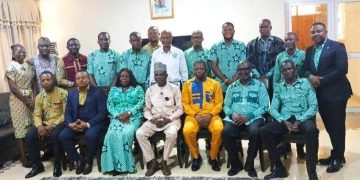
He urged traditional authorities to mobilise their communities and promote public acceptance of development initiatives, while challenging district assemblies to translate the regional framework into practical interventions at the local level.
The private sector, he said, must also play a leading role through investment, innovation and job creation, while development partners should support the programme with technical assistance, capacity building and sustainable financing.
On accountability, Pe Ayagitam III cautioned against measuring development by the number of projects announced, insisting that the real test must be improvements in the living conditions of ordinary people.

He called for transparency, effective monitoring and clearly defined implementation targets to ensure that the framework delivers measurable results.
He further stressed the need to ensure that women, young people, persons with disabilities and vulnerable households benefit from the development agenda.
The endorsement by the House of Chiefs provides an important traditional leadership backing for the PEARL framework, although its success will ultimately depend on effective implementation, sustained financing and measurable outcomes.
Pe Ayagitam III expressed confidence that the Upper East Region had the land, human resources, natural assets and entrepreneurial capacity to translate the 10-year vision into lasting prosperity.
Source: www.kumasimail.com