


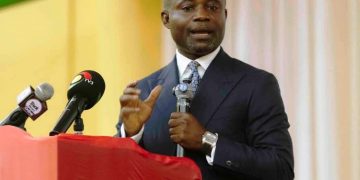
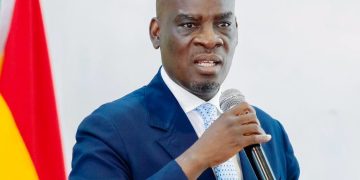




















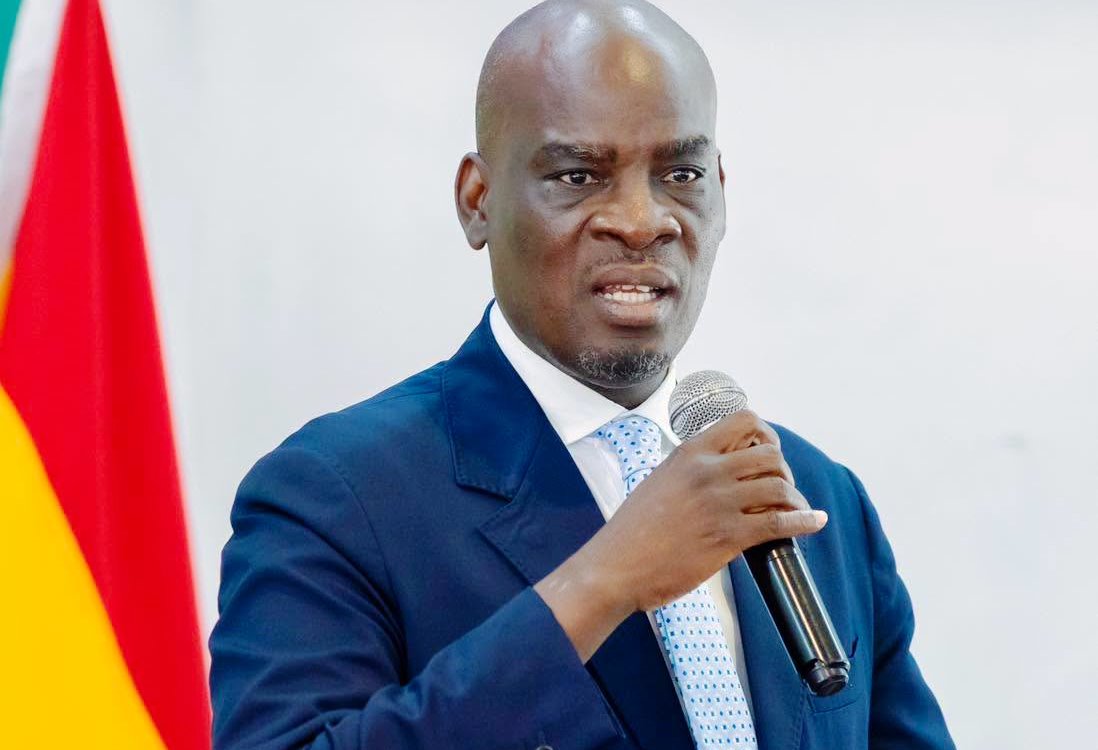
The government is repositioning its education investment towards foundational learning, with Education Minister Haruna Iddrisu questioning Ghana’s progress in achieving the constitutional guarantee of free, compulsory and universal basic education, 34 years after its adoption.


Mr Iddrisu said the Mahama administration was realigning education expenditure to prioritise literacy and numeracy, particularly among young learners, as part of efforts to address persistent inequalities in access to quality basic education.
He raised the concerns on Wednesday, November 11, 2026, at the launch of the government’s flagship Foundational Learning Agenda (2026–2040) in Accra, describing the initiative as an opportunity to confront longstanding weaknesses in the country’s basic education system.
Reflecting on Ghana’s constitutional commitment to universal basic education, the Minister questioned how much progress the country had made since the 1992 Constitution guaranteed every child the right to free, compulsory and universal basic education.
“Thirty-four years old is legitimate to raise questions and to ask questions. How far have we come as a country in our journey towards the attainment of free compulsory universal basic education?” he asked.
He said the new national strategy would help address some of the challenges confronting the education system, particularly disparities between rural and urban communities and between public and private schools.
Mr Iddrisu reaffirmed President John Dramani Mahama’s commitment to ensuring that no Ghanaian child was denied foundational education because of gender, geographical location or financial circumstances.
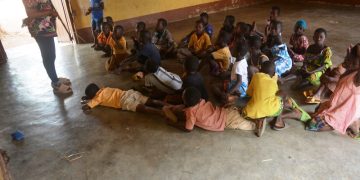
The government’s renewed emphasis on foundational learning comes against the backdrop of persistent weaknesses in pupils’ literacy and numeracy skills.
Findings from Ghana’s 2024 National Standardised Test, presented at the launch, showed that approximately 35 per cent of nearly 473,000 Primary Four pupils assessed performed below basic proficiency in English Language, while 38 per cent recorded similar results in Mathematics.

The figures highlight the scale of the learning challenge facing the country and the need to strengthen teaching and learning at the earliest stages of children’s education.
The Minister also underscored the importance of early childhood education, noting that children who received quality early learning before the age of five were more likely to perform better throughout their educational journey.
Such children, he said, were more likely to enrol in school at the appropriate age, less likely to repeat classes or drop out, and more likely to complete primary and secondary education.
The initiative is expected to strengthen foundational learning across the country, with its success ultimately depending on sustained investment, effective implementation and demonstrable improvements in what Ghanaian children can read, write, understand and calculate.
Source: www.kumasimail.com