

































The Savannah Regional Disaster Management Committee (RDMC) has been given one month to develop a comprehensive action plan for responding to disasters before they strike, following a string of devastating floods that have disrupted communities across the region.


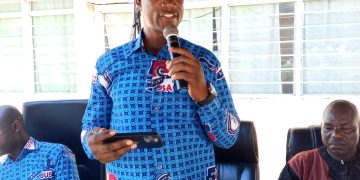
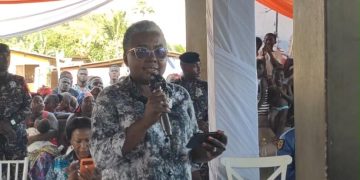
The directive was issued by the Savannah Regional Minister and Chairman of the RDMC, Salisu Be-Awuribe Issifu, at a stakeholder engagement in Damongo on Monday, October 5, 2026.
Mr Be-Awuribe said the region could no longer afford to wait for disasters to occur before deciding how to respond, insisting that known and foreseeable risks must be anticipated and addressed in advance.
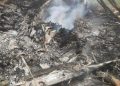
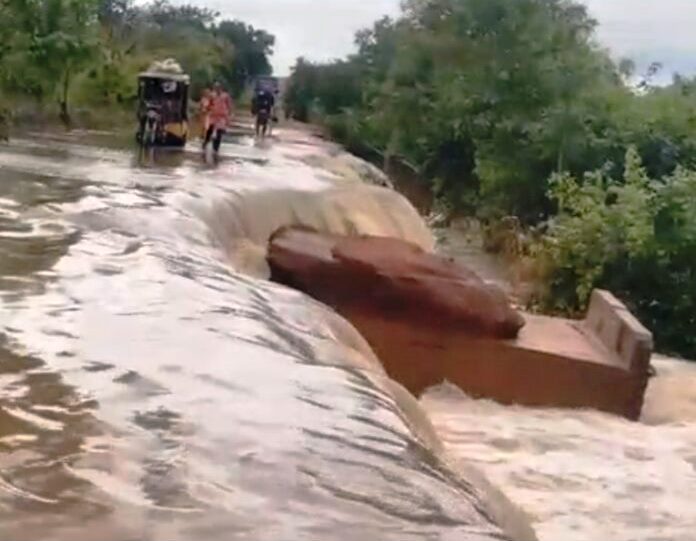
His directive comes barely weeks after severe flooding hit several parts of the Savannah Region, destroying homes, farmlands and livestock, washing away roads and cutting off communities from essential services.
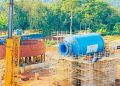
In the Sawla-Tuna-Kalba District, the collapse of the Kunfusi Dam following hours of torrential rainfall reportedly cut off about 15,000 residents of Kunfusi and surrounding communities from the rest of the region. Sections of the Tuna-Kalba road were also rendered impassable, disrupting the movement of people, food and essential supplies.
The flooding also left at least 93 houses collapsed in the North East Gonja District, rendering 246 residents homeless. Food stocks, farm produce and livestock were destroyed, while a section of a major feeder road was washed away, cutting off communities including Lantung Park, Kedingi and Kanankula.
In the West Gonja Municipality, flooding from the overflow of the Sor River cut off Sor No. 1, Sor No. 2 and Sor No. 3 from Damongo for nearly two weeks, leaving pregnant women and other residents without access to ambulance services.
Against that backdrop, the Regional Minister said the RDMC must develop a system that enables authorities to act before predictable hazards become full-blown disasters.
He directed members of the committee to work together to produce the action plan within one month, with clearly defined actions to be taken whenever a foreseeable disaster threatens any part of the region.
The plan is expected to cover the various disasters that could affect the Savannah Region, including hazards already experienced as well as those that may occur in the future.
“We must not wait for such events to happen before deciding what to do,” the Minister stressed.
He said the objective was to strengthen the region’s preparedness, early warning systems and response to climate-related hazards.

The Minister also tasked the committee with ensuring that early warning and climate information are translated into specific, timely and coordinated action to minimise the impact of disasters on communities, livelihoods and public infrastructure.
The stakeholder engagement brought together institutions involved in disaster management, climate services, agriculture, environmental protection, security and community resilience.
The latest directive places greater emphasis on prevention and preparedness at a time when recent flooding has exposed the vulnerability of several communities across the region.
The RDMC is therefore expected to produce a practical framework setting out what authorities and relevant institutions must do before, during and after a foreseeable disaster, rather than relying primarily on emergency relief after damage has occurred.
Source: www.kumasimail.com