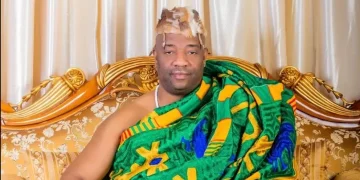



































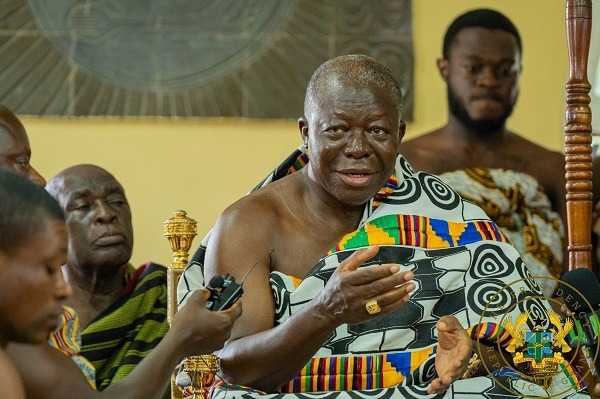
Asantehene Otumfuo Osei Tutu II has ordered an independent investigation into alleged illegal mining activities around Lake Bosomtwe, following intelligence reports linking some traditional leaders and palace officials to the operations.


Sources familiar with the matter told Kumasi Mail that the investigation was initiated after intelligence gathered at the Manhyia Palace allegedly pointed to the involvement of some chiefs and an influential linguist in facilitating mining activities within the Bosomtwe area.
The development comes amid growing concerns over renewed environmental degradation around Lake Bosomtwe, one of Ghana’s most ecologically significant natural landmarks and a UNESCO Biosphere Reserve.
According to information available to Kumasi Mail, two previous attempts by National Security operatives during the administration of former President Nana Akufo-Addo to clamp down on illegal mining in the area were allegedly obstructed by some chiefs at Manhyia and others within the Bosomtwe District.
The allegations have not been independently verified, and no individuals implicated have publicly responded to the claims.
Meanwhile, a separate investigation by Kumasi Mail News Desk, based on satellite imagery analysis and field verification, has revealed that illegal mining has destroyed more than 2,000 acres of forest surrounding Lake Bosomtwe over the past six years.
The assessment found that more than 1,500 acres of forest degradation occurred between 2018 and 2024, while no active illegal mining operations were detected during 2025.
However, the investigation indicates that illegal mining resumed in 2026, with more than 250 acres of forest already cleared, raising concerns that mining activities are steadily advancing towards the lake.
The study focused on mining activities occurring within a 1.5 to 3.5-kilometre buffer zone around the lake. Although mining was identified within that range, investigators found no evidence of active operations within one kilometre of the lake itself.
The report also noted signs of ecological recovery at some abandoned mining sites, where natural vegetation has begun regenerating.
Most of the recent destruction was recorded around Beposo in the Bosomtwe District and Dakabuoso in the Bosome Freho District, with Beposo emerging as the current hotspot for illegal mining activities.
Researchers estimate that the degraded land is equivalent to more than 1,000 FIFA-standard football fields, underscoring the scale of environmental damage in the area.
Environmental analyst Dr. Kenneth Bansah warned that immediate intervention is required to safeguard the internationally recognised ecosystem.
“Lake Bosomtwe is a UNESCO Biosphere Reserve and deserves protection. The law has no eyes or ears to correct itself. Action must happen,” he said.
The Asantehene’s decision to commission an independent investigation is expected to establish the extent of illegal mining activities, determine whether traditional authorities were involved, and recommend measures to protect the lake from further encroachment.
Lake Bosomtwe, Ghana’s only natural crater lake, is internationally recognised for its ecological, cultural and scientific significance and serves as an important source of livelihood for surrounding communities.
Environmental advocates have repeatedly called for stricter enforcement against illegal mining to preserve the lake and its surrounding forest ecosystem.
Source: www.kumasimail.com