








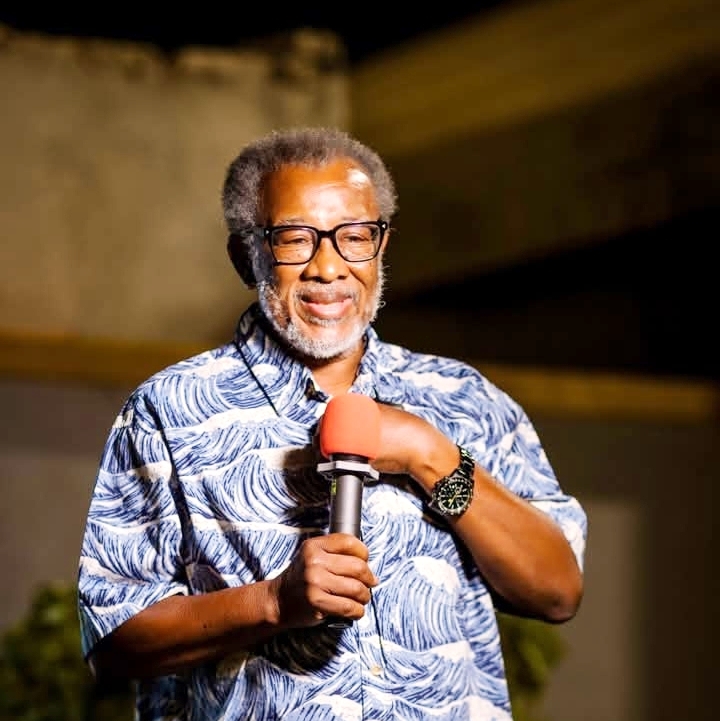
As calls for reparatory justice and renewed attention to the trans-Atlantic slave trade gather momentum across Africa, the President of Millar Open University, Professor David Millar, has announced a major initiative to document and remap the historical slave routes originating from Northern Ghana.


The project seeks to challenge what Prof. Millar describes as an incomplete historical narrative by tracing the origins of enslaved Africans beyond the coastal slave castles to the communities where they were captured.
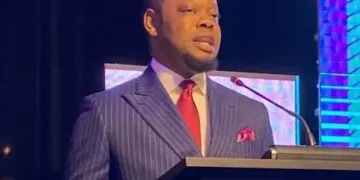
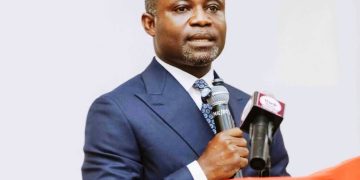
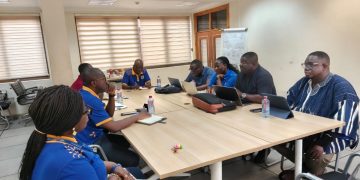
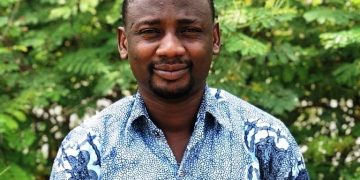
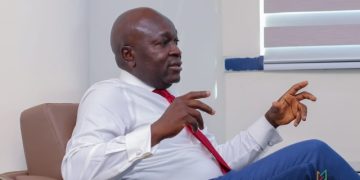
Speaking during the Upper East Region’s Prosperity through Enterprise, Agriculture, Resilience and Livelihoods (PEARL) Framework forum in Bolgatanga, Prof. Millar said many existing accounts present the slave routes as beginning somewhere in the north and ending at the coast, overlooking the communities where the victims actually lived.
“If you study the archives, the slave routes are often presented as beginning somewhere in the north and ending at the coast. We believe that is an incomplete history. The coast was only the exit point. The enslaved people came from communities much farther north,” he said.
According to Prof. Millar, researchers from Millar Open University will retrace the historic routes on foot while documenting languages, settlements and oral traditions to produce a more comprehensive historical record.
“We want to redesign the slave route map using historical evidence. If the people taken to the coast were speaking Gurune, Sisala or Dagaare, then those histories and migration routes must be properly documented. We are undertaking this work with support from partners in the Kingdom of the Netherlands,” he added.
He appealed to traditional authorities and communities across Northern Ghana to preserve oral histories and actively support the documentation exercise, describing it as an important step toward strengthening heritage tourism and expanding public understanding of the trans-Atlantic slave trade.
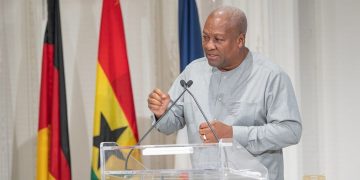
The announcement comes at a time when conversations on reparations have gained renewed prominence following President John Dramani Mahama’s address at the United Nations and the recent gathering of African, regional and global leaders in Accra, where reparatory justice featured prominently on the agenda.
Source: www.kumasimail.com