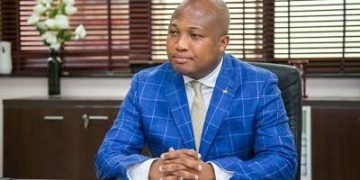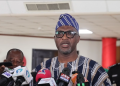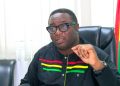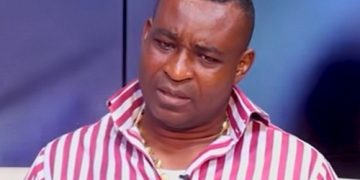

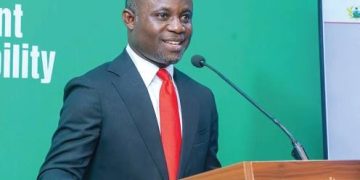


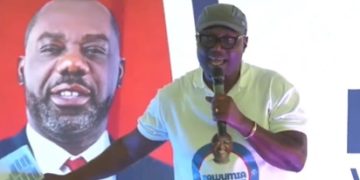

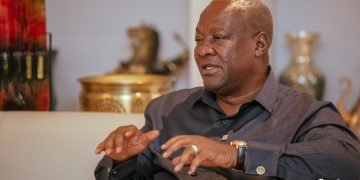


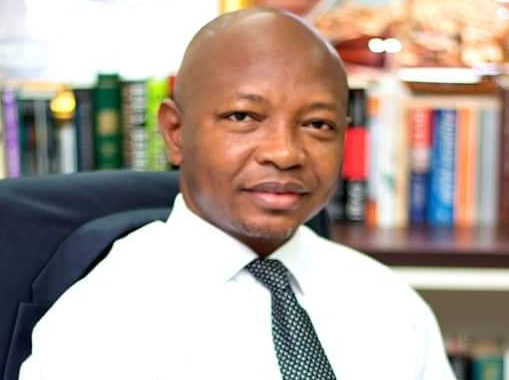
Former Member of Parliament for Kumbungu Constituency, Ras Mubarak, has criticised comments by Simone Giger on Ghana’s constitutional reforms, insisting that the country’s constitutional design should be determined by Ghanaians rather than foreign governments.


In an open letter addressed to the Swiss ambassador, Mubarak said while debate over the powers of Ghana’s presidency is legitimate, it is a matter that Ghanaians are already addressing through the Constitutional Review Committee, Parliament, civil society organisations and the media.
“With respect, Switzerland should put its own house in order before lecturing Ghana on constitutional design,” he wrote.
According to the former legislator, constitutional reform is the responsibility of Ghanaians, stressing that the country has established democratic institutions capable of handling such discussions without external interference.
Mubarak argued that Switzerland itself faces constitutional and governance challenges that should be addressed before offering advice to other countries.
He claimed that Switzerland’s constitution has been amended more than 200 times since 2000 and cited the 2009 referendum banning the construction of new minarets as an example of constitutional provisions that he said conflict with international human rights obligations.
The former MP also criticised what he described as the political exclusion of foreign residents in Switzerland, arguing that about one-quarter of the country’s population consists of foreigners who pay taxes but cannot vote in federal elections or contest public office.
He further pointed to differences among Switzerland’s 26 cantons, saying residents’ rights, taxation and access to public services vary depending on where they live, a situation he argued undermines national equality.
Mubarak also contended that Switzerland’s extensive use of referendums often delays major reforms because interest groups have the power to block policy changes.
Defending Ghana’s constitutional framework, he said the 1992 Constitution was crafted after years of military rule to prevent the concentration of executive power.
He noted that Ghana’s governance structure provides for a directly elected President whose powers are subject to oversight by Parliament, an independent judiciary and the Council of State.
While welcoming continued cooperation between Ghana and Switzerland, Mubarak stressed that such engagement should be based on mutual respect rather than unsolicited advice.
“So Madam Ambassador, we welcome partnership and ideas. But partnership is not lectures,” he wrote.
He concluded by reaffirming Ghana’s sovereignty over its constitutional process, declaring that the country’s constitution would be shaped by Ghanaians.
“Ghana will decide Ghana’s constitution. Not Bern. Not Washington. Not London. Accra will,” the former Kumbungu Constituency MP stated.
Source: www.kumasimail.com