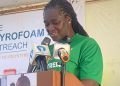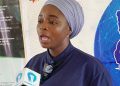

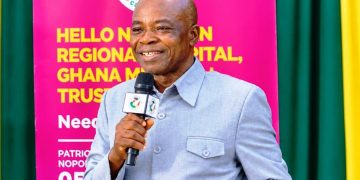

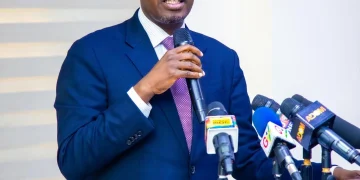



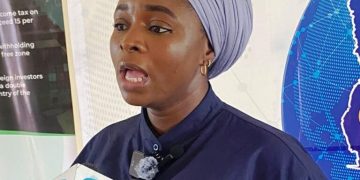












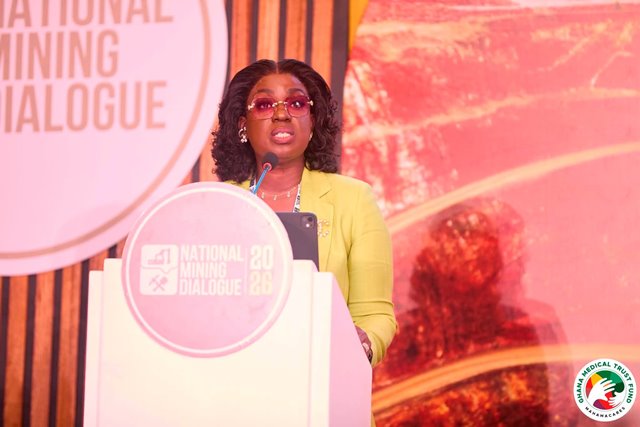
The Administrator of the Ghana Medical Trust Fund (GMTF), Adjoa Obuobia Darko-Opoku, has challenged mining companies to rethink their social licence to operate by making strategic investments in healthcare and other interventions that directly improve the lives of communities hosting their operations.


She argued that the true value of Ghana’s mineral wealth should ultimately be measured not only by the gold extracted or revenue generated, but by the quality of life left behind in mining communities.
“Ghana’s greatest resource is not the gold beneath our soil. It is the Ghanaian,” she said.
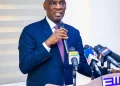
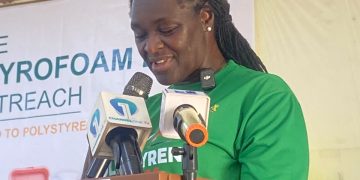
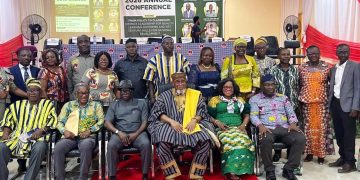
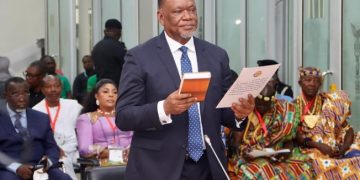
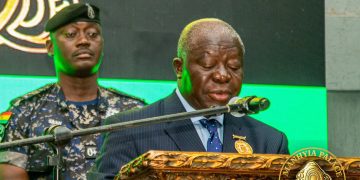
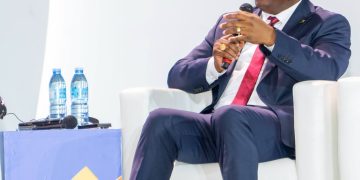
Ms Darko-Opoku was speaking at the National Mining Dialogue 2026 in Accra, held under the theme “Rethinking the Social Licence to Operate.” The dialogue brought together government, traditional authorities, regulators, mining companies and other stakeholders to examine how Ghana can ensure that mining delivers lasting benefits to host communities while protecting the environment and strengthening trust between communities and mining companies.
Against that backdrop, the GMTF Administrator urged mining companies to look beyond conventional corporate social responsibility projects and consider sustained partnerships that address critical gaps in Ghana’s healthcare system.
She said access to specialised healthcare remained a major challenge, particularly as Ghana grapples with shortages of specialised medical equipment and trained specialists.
“At 2:00 AM, money cannot buy time. In a medical emergency, your wealth does not save you; the infrastructure nearest to you does,” she said.

Established by Act 1144 in July 2025, the Ghana Medical Trust Fund is mandated to mobilise sustainable financing for specialised care for people living with chronic non-communicable diseases, including cancer, cardiovascular diseases, diabetes and kidney disease. Its interventions include financial support for eligible patients, investment in medical equipment and healthcare infrastructure, specialist training and medical research.
The Fund has already begun implementing its mandate. By July 2026, it reported that dozens of patients had received critical medical interventions, with investments underway to strengthen specialised healthcare delivery.
In May, the Fund also launched a nationwide specialist-training initiative in partnership with professional training institutions, providing support for the training of 100 pharmacists, 100 nurses and a new cadre of specialist doctors to strengthen Ghana’s healthcare workforce.
It is this model of targeted investment that Ms Darko-Opoku wants the mining industry to embrace.
She urged mining companies to partner with the GMTF to equip hospitals in mining communities, expand access to specialised services and support the training of health professionals.
She said such interventions could give mining companies a legacy that extends beyond the lifespan of their operations.
“We didn’t just extract gold from your soil. We built the Cancer Centre that saved your mother. We installed the Cath Lab that saved your chief,” she said.
For Ms Darko-Opoku, that is the kind of social licence that can create a deeper bond between mining companies and host communities — one based not merely on economic transactions, but on tangible investments in human lives.
“Because long after the gold is gone, the lives saved will be remembered,” she said.
Source: www.kumasimail.com