





























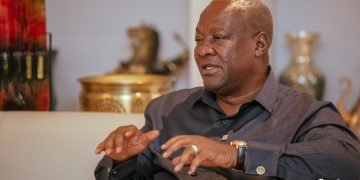


President John Dramani Mahama has warned members of his administration and governing boards of State-Owned Enterprises (SOEs) against conflict of interest, abuse of office and the improper management of state resources.


He said officials entrusted with managing public institutions and assets must uphold the highest standards of integrity, transparency and accountability in the discharge of their duties.
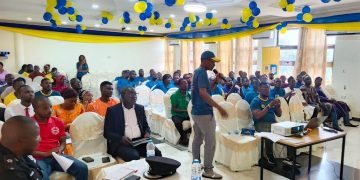
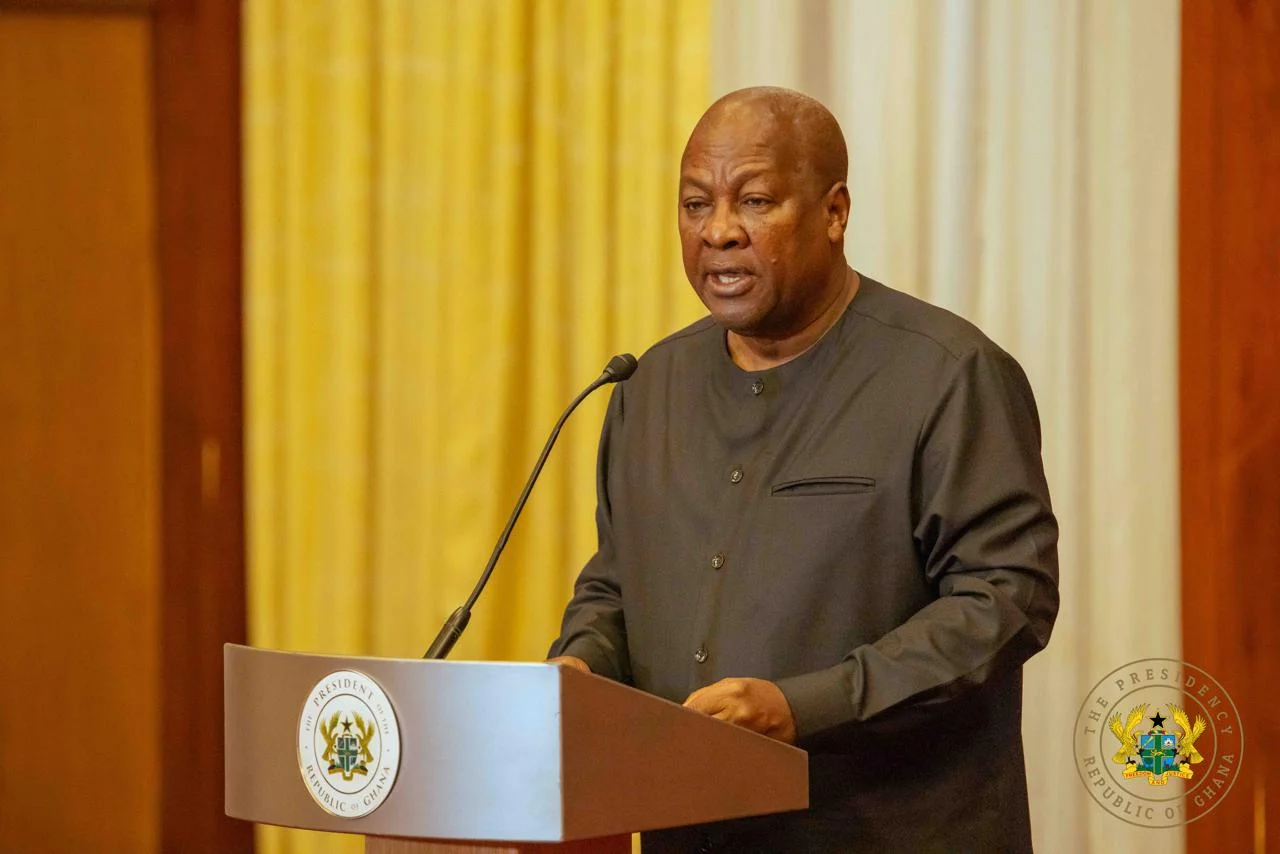
President Mahama made the remarks on Thursday, September 10, 2026, when he addressed governing board members and Chief Executive Officers (CEOs) of SOEs at the SIGA Governing Boards and CEOs Conference 2026.
He stressed that government appointees and board members had a responsibility to protect the public interest and ensure that decisions taken under their authority could withstand public and institutional scrutiny.
The President urged boards and management teams of SOEs to ensure that their activities complied strictly with the law and established procedures.
“Ladies and gentlemen, this administration will not tolerate conflict of interest or abuse of office. Procurement must be lawful and follow the guidelines; it must be competitive and transparent,” he said.
He further directed that recruitment and promotions within state institutions be based on merit, while contracts, investments and the disposal of public assets must demonstrate value for money and be open to scrutiny.
“Boards must take personal responsibility for land, buildings, equipment and investments in their custody,” President Mahama said.
He warned that the unauthorised disposal, encroachment or dissipation of state assets should not be treated as a minor administrative lapse, describing such acts as a breach of trust against the people of Ghana.
The President said the government would continue to demand accountability from officials entrusted with managing public institutions and state resources.
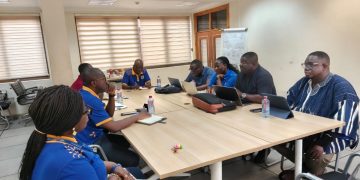
The SIGA Governing Boards and CEOs Conference 2026 brought together governing board members and CEOs of SOEs to deliberate on corporate governance, accountability, institutional performance and the effective management of public institutions.