


























The Kumasi Metropolitan Assembly (KMA) and the Ghana Railway Development Authority (GRDA) have strengthened their partnership to accelerate railway development in Kumasi, with a focus on protecting railway lands, improving urban mobility, and integrating rail infrastructure into the city’s long-term development agenda.


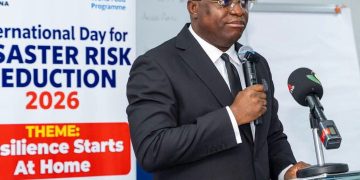
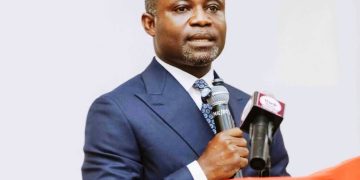
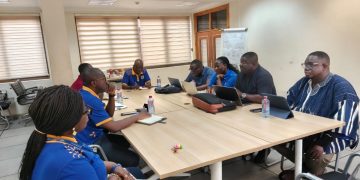
The collaboration was reaffirmed during a strategic meeting between the Metropolitan Chief Executive (MCE) for Kumasi, Hon. Richard Kwasi Ofori Boadi Agyemang, and the Chief Executive Officer of the GRDA, Dr. Frederick Appoh.
The engagement explored ways to enhance institutional cooperation and identify opportunities to modernise railway infrastructure within the Kumasi Metropolis.
Key discussions centred on safeguarding railway reserves from encroachment, improving transport connectivity, and unlocking the economic potential of railway lands through sustainable commercial and mixed-use developments.
Hon. Richard Ofori Boadi Agyemang underscored the importance of closer collaboration between the Assembly and the Railway Development Authority to ensure that ongoing and future railway projects align with Kumasi’s spatial development plans.
According to him, an integrated railway system will not only improve transportation but also stimulate economic growth and contribute significantly to the city’s urban transformation.
Dr. Frederick Appoh, on his part, stressed the need to preserve railway corridors, strengthen technical collaboration, and promote integrated transport planning as part of efforts to implement Ghana’s railway modernisation programme.
He noted that strategic partnerships between key institutions would be critical to ensuring the successful development of the country’s railway sector while maximising the economic value of railway assets.
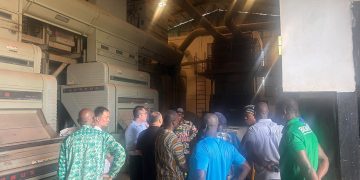
As part of the renewed partnership, the two institutions agreed to establish a Joint Technical Working Group to coordinate railway-related initiatives. They also agreed to undertake joint inspections of railway lands, share technical information, and develop a roadmap to guide railway-oriented development across the Kumasi Metropolis.
The collaboration is expected to enhance connectivity, reduce pressure on the city’s road network, attract investment, and support the broader vision of transforming Kumasi into a modern, resilient, and globally competitive city.
Officials from both institutions expressed confidence that the strengthened partnership would provide a solid foundation for sustainable railway development and improved urban transportation in Kumasi.
Source www.kumasimail.com