




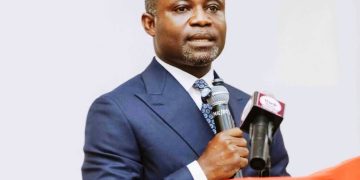



















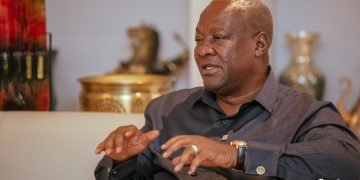

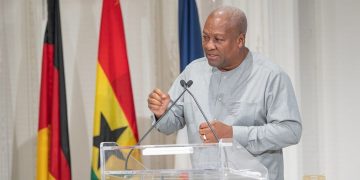


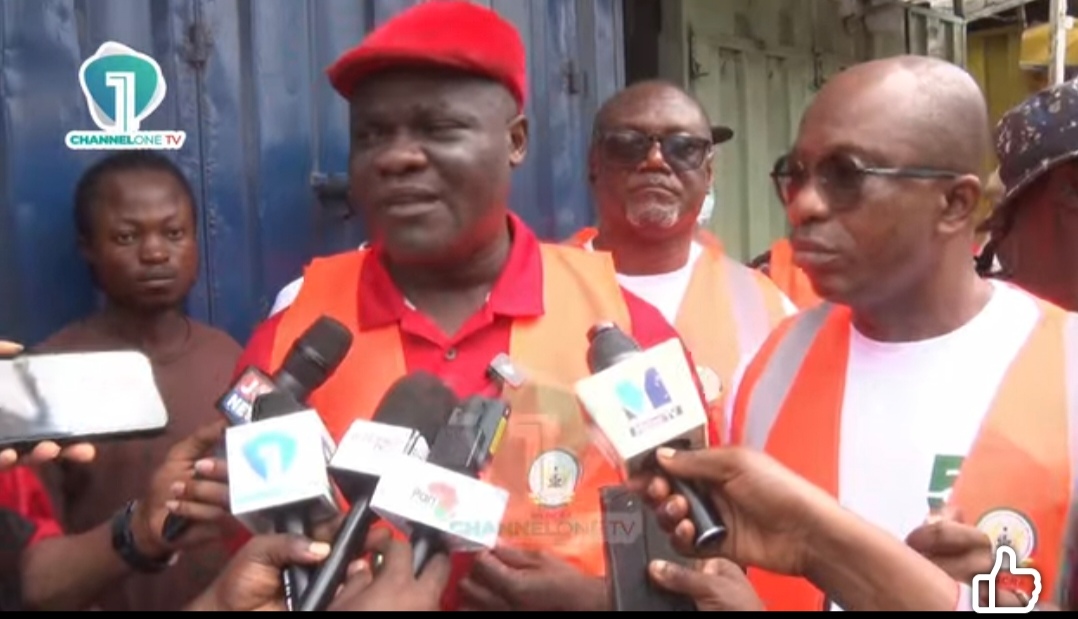
The Minister for Local Government, Chieftaincy and Religious Affairs, Ahmed Ibrahim, Member of Parliament for Banda Constituency, has defended Metropolitan, Municipal and District Chief Executives (MMDCs) against criticism over sanitation challenges and flooding, arguing that they are constrained by inadequate funding rather than negligence.


Speaking during an interview, the minister rejected suggestions that MMDCs were “sleeping on the job,” insisting that responsibility for drainage maintenance is shared among several state agencies.
“To say that the MMDCs are sleeping on their job is something I will not take lightly,” he said. “The responsibility for certain drains, especially storm drains apart from primary drains, does not rest with the MMDCs alone.”
Ahmed Ibrahim explained that while district assemblies receive allocations from the District Assemblies Common Fund (DACF), only 10 percent of those allocations is earmarked for sanitation, which he said is insufficient to meet the growing demands of waste management and drainage maintenance.
He cited Mfantseman Municipality as an example, stating that it received about GH¢13 million from the Common Fund for the 2025 fiscal year, leaving approximately GH¢1.3 million for sanitation.
“Can you use GH¢1.3 million for the entire sanitation work for a whole year? That includes recruiting sweepers, paying them, collecting refuse, transporting waste and supporting recycling activities,” he questioned.
The minister also referred to the Accra Metropolitan Assembly (AMA), which he said received GH¢22 million from the Common Fund for the year. According to him, the 10 percent sanitation allocation amounts to about GH¢2.2 million.
“Are you saying Accra Metropolitan Assembly should use GH¢2.2 million to undertake sanitation, desilting and all drainage maintenance across the city?” he asked.
He further noted that the Klottey Korle Municipal Assembly received approximately GH¢16 million for the year, translating into about GH¢1.6 million for sanitation.
Ahmed Ibrahim stressed that major storm drains fall under the jurisdiction of the Urban Roads Department and not the district assemblies. He argued that desilting of such drains should have been completed before the onset of the rainy season.
“That is the responsibility of Urban Roads. They should have done it before the rains set in, not the MMDCs,” he said.
The minister also appealed for greater understanding of the pressures facing district chief executives, describing leadership as both a responsibility and a form of public service.
“Leadership is a responsibility and it is a service. When you are given responsibility, you must put in your best,” he stated.
His comments come amid growing public concern over flooding and sanitation challenges in parts of the country, with many residents calling for stronger coordination among agencies responsible for drainage maintenance and waste management.
This version follows standard journalistic practice by presenting the minister’s remarks in a neutral tone, organizing the information using the inverted pyramid structure, correcting grammatical issues from the transcript, and providing relevant context without adding unsupported claims.
Read this…
Source:www.kumasimail.com