































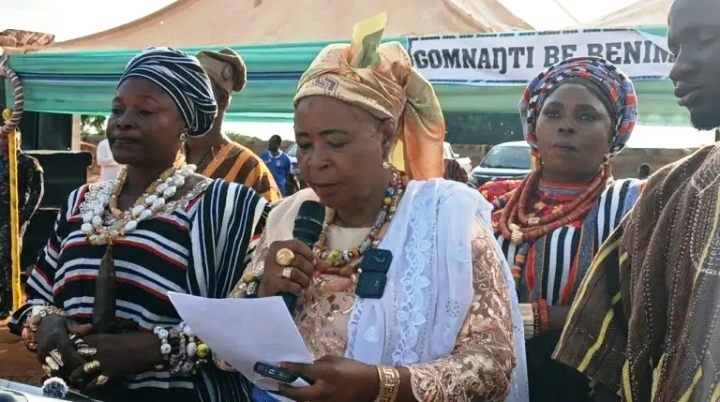
The President of the Savannah Regional Queen Mothers Association, Kansawurche Hajia Veronica Bukari, has sounded the alarm over teenage pregnancy, school dropout, child labour and unsafe migration among children in the region.


She said the challenges threaten the future of communities and must become a collective concern for parents, traditional leaders, religious authorities and community-based child protection structures.
Hajia Veronica made the call at the grand durbar to climax the 2026 Damongo Damba Festival on Friday, September 18.
She said the festival, held under the theme “Preserving Our Heritage, Uniting Our People, Driving Sustainable Development,” should go beyond celebrating Gonja culture and tradition to examining the kind of society being built for the next generation.
According to her, teenage pregnancy and school dropout remain major concerns, with children increasingly exposed to sexual abuse, exploitation and other forms of violence.
She also raised concern about school-going children being lured by the prospect of quick money, leading some to abandon education for hazardous work or migration to other communities in search of employment.
“There is nothing wrong with young people wanting to work and become independent,” she said, but cautioned against children of school-going age being pushed into adult economic activities.
She said such situations could expose children to accidents, exploitation and abuse while undermining their education and future prospects.
Hajia Veronica challenged parents and community leaders to take greater interest in the activities and whereabouts of children.
“Where are our children? What are they doing? Who are they living with? And what risks are they exposed to?” she asked.
She identified Child Protection Committees as critical community structures in the fight against child abuse, neglect, exploitation, child labour, teenage pregnancy and school dropout.
According to her, the committees serve as the “eyes and ears” of communities and can help identify children at risk, educate parents, facilitate early intervention and report cases to the appropriate authorities.
She therefore appealed to traditional leaders and community authorities to strengthen and support the committees to ensure they remain active and responsive to child protection concerns.
The Queen Mothers’ President further urged parents and guardians to know where their children are, who they associate with and what they do after school.
She also called on traditional and religious leaders to use their influence to speak against child abuse, teenage pregnancy, child labour, exploitation and unsafe migration.
Hajia Veronica urged young people to be cautious about decisions that could permanently affect their future, particularly when faced with pressure to abandon education in pursuit of quick money.
She said protecting children must be treated as a shared responsibility because the future of the region depends on the wellbeing and development of its young people.
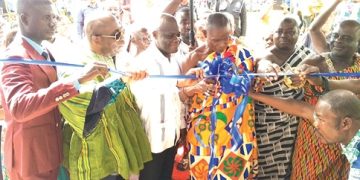
The Damongo Damba Festival, which began on Wednesday, September 16 with a traditional rice-picking ceremony, also featured the Damba bull slaughtering on Thursday before climaxing with the grand durbar.
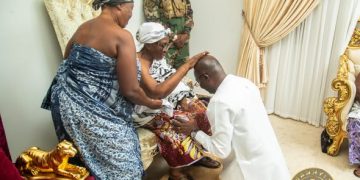
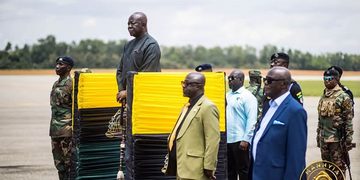
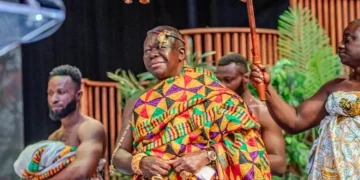
The durbar brought together traditional leaders, queen mothers, government officials, political representatives, religious leaders and residents.

The Damongowura, Seidu Kelly Braimah Boresa I, represented by Budamawura Dr Buah, used the occasion to call for stronger efforts to preserve Gonja culture while promoting unity and sustainable development.
He urged residents to reject division and work together across ethnic and social lines, stressing that Damongo’s diversity should be a source of strength.
The festival chairman, Tolodompe Abdallah, popularly known as Chief Monor, also appealed for permanent palaces for traditional areas, clearer traditional protocol arrangements at palaces and responsible use of social media.
He further called for greater support for the Bii-Kunuto Education Fund and the promotion of the Gonja language in schools.
The festival thus ended with a strong emphasis not only on preserving the past but also on protecting the children and communities expected to carry the heritage of the Gonja people into the future.
Source: www.kumasimail.com