













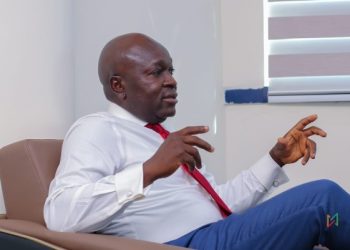
Ghana’s second chance: How President Mahama’s return offers historic opportunity for transformation
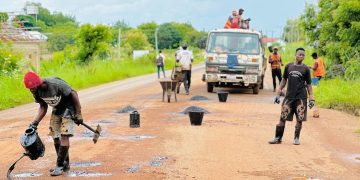
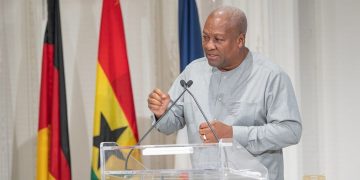
History rarely gives a nation a second chance with a leader who returns to office wiser, more experienced and determined to leave a lasting legacy. President John Dramani Mahama is one of those rare figures, not only in Ghana but across Africa. Few democratic leaders have travelled the path he has: from vice president to president, from defeated incumbent to opposition leader, and from former president back to the presidency through the ballot box. It is a journey that has exposed him to both the privileges of power and the humbling lessons of political defeat. As an entrepreneur who has navigated my own share of successes and setbacks, I understand the value of resilience. Challenges often become our greatest teachers. President Mahama's political journey has given him a unique perspective, one forged not only by governing but also by reflection, renewal and the hard-earned trust of the people. Evidence of resurgence When I watch him engage world leaders, connect effortlessly with ordinary Ghanaians across the country and champion transformational initiatives, I see a leader who understands both the possibilities and limitations of government. His return to office is not simply a political comeback but the return of a leader who appreciates the urgency of turning vision into delivery. That perspective is already evident in the agenda taking shape since his inauguration in January 2025. The clearest example is the Accra-Kumasi Expressway. For decades, Ghanaians have understood the importance of a modern highway linking our two largest economic centres. Yet progress remained elusive. The recent acquisition of the right-of-way represents a breakthrough that many believed would never happen. What impresses me even more is how Ghana has chosen to fund the project. Only two years ago, our country stood as a sorry example of the consequences of fiscal mismanagement, crushed by debt and effectively locked out of international capital markets. Today, Ghana has mobilised $2 billion ahead of the award of one of the most ambitious road projects in our nation’s history. That achievement should mean more to us Ghanaians. For me, it is a powerful statement of confidence. At a time when many developing nations remain heavily dependent on external borrowing, Ghana is demonstrating faith in its own financial strength and capacity to deliver. With construction expected to begin next year, the Accra-Kumasi Expressway promises to ease congestion, cut transport costs, improve logistics and unlock new economic opportunities across the country. As we all know, roads do more than connect cities. They connect people to jobs, businesses to markets and ambition to opportunity. Mining sector reforms Beyond infrastructure, President Mahama's reforms in the mining sector signal a determination to ensure that Ghana derives greater value from its natural wealth. For decades, artisanal gold leaked away while the country exported billions of dollars' worth of minerals while capturing only a portion of the benefits. Today, there is a growing effort to change that reality through the Gold Board mechanism and other policies that capture more artisanal gold and increase local participation, encourage value addition and create opportunities for Ghanaian businesses and professionals throughout the mining value chain. Particularly encouraging is the move towards more pragmatic fiscal policies, including sliding-scale royalty mechanisms at a time when gold prices are hitting record highs. That forward looking approach allows the nation to benefit more when commodity prices are high while maintaining competitiveness during downturns. As a citizen and businessman, I have come to realise that good policy is not about choosing between investors and citizens. It is about creating a framework that serves both interests. Equally important is the emphasis on localisation. In today's economy, resource ownership is no longer just about what lies beneath the ground. It is about controlling supply chains, building expertise, developing technology and creating sustainable businesses. By encouraging greater indigenous participation in mining and related industries, Ghana is investing in long-term prosperity rather than short-term extraction and President Mahama deserves the credit for championing that. Airport expansion and SoEs reforms His government's focus on strategic infrastructure also extends beyond roads and mining. The modernisation and expansion of airport infrastructure reflect an understanding that connectivity drives economic growth. Countries that aspire to become regional hubs must invest aggressively in transportation networks that facilitate trade, tourism and investment. ...
Read moreDetails