



























The Government of Ghana’s recent decision regarding the Damang Mining Lease marks a significant milestone in the country’s economic trajectory.


By upholding a competitive and transparent tender process, authorities have not only reinforced public trust but also demonstrated a clear commitment to fairness and accountability in the management of Ghana’s natural resources.
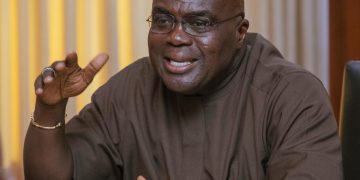
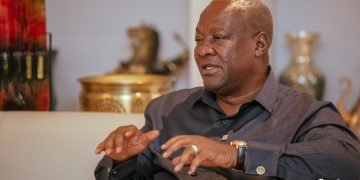
David Opare Donkor, widely known as Kwame Wilder, has rightly commended this move, describing it as a bold affirmation of Ghanaian capability.
The awarding of the lease to a Ghanaian-owned firm sends a powerful message one that underscores growing confidence in local expertise, financial strength, and operational capacity.
For years, questions have lingered about whether indigenous companies could effectively manage large-scale ventures in critical sectors such as mining. This decision provides a timely and resounding answer.

Invoking the enduring words of Ghana’s first President, Kwame Nkrumah—“The Black man is capable of managing his own affairs”—Kwame Wilder situates the government’s action within a broader historical and ideological context.
It is a reminder that economic independence has always been central to Ghana’s national vision. Empowering local businesses is not merely a policy choice; it is a continuation of a long-standing aspiration for self-reliance and sustainable development.
Equally noteworthy is Kwame Wilder’s call for responsibility on the part of the lease recipient. His commendation of Ibrahim Mahama and his company is accompanied by a clear expectation: excellence must extend beyond profitability.
Mining operations, particularly in resource-rich communities, carry significant social and environmental responsibilities. Job creation, infrastructure development, and environmental stewardship must form the cornerstone of any successful operation at Damang.
This moment, therefore, is not just about awarding a lease—it is about setting a precedent. It challenges Ghanaian businesses to rise to the occasion and prove that local ownership can deliver world-class results while prioritizing national interest.
At the same time, it places a responsibility on government to sustain policies that nurture and empower indigenous enterprises across all sectors.
Ultimately, the true measure of this decision will lie in its long-term impact. If managed effectively, the Damang lease could become a model for how Ghana leverages its natural resources for inclusive growth. Achieving this will require continued collaboration between government, private sector actors, and host communities.
Ghana stands at a pivotal moment. The path chosen today has the potential to shape the country’s economic future for generations to come.
The question now is not whether Ghanaian businesses are capable—but whether all stakeholders will work together to ensure that this confidence is justified.
Source: www.kumasimail.com / Kwame Wilder