
















For many residents of rural communities in the Upper West Region, access to safe drinking water remains a daily struggle. In some communities, women and children, especially young girls, must travel long distances each day in search of water, often affecting school attendance, productivity, and overall well-being.


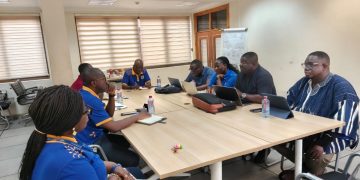
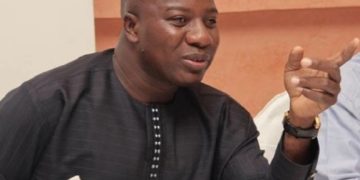
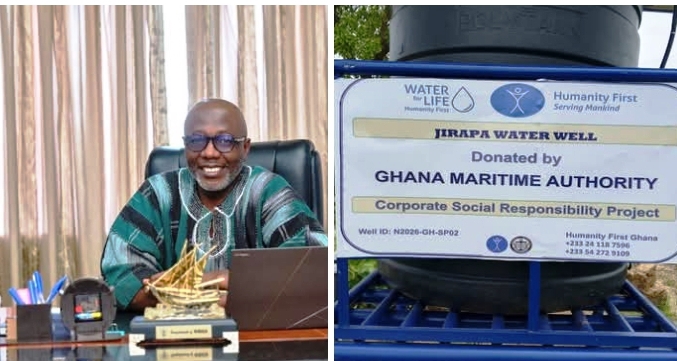
To help address these challenges, the Ghana Maritime Authority (GMA) led by its Director-General Dr. Kamal-Deen Ali (Naval Captain, Rtd.), has partnered with the Upper West Regional Minister Hon. Charles Lwanga Puozuing and Humanity First Ghana to construct six mechanized boreholes in selected communities across the region as part of the Authority’s Corporate Social Responsibility (CSR) programme.
The beneficiary communities and institutions are Boli Primary/JHS, T.I. Ahmadiyya Senior High School, and Biihee in the Wa Metropolis. The rest are Jirapa in the Jirapa Municipality, Motigu in the Wa East District and Guo in the Nandom Municipality.
The mechanized boreholes are expected to provide thousands of residents, schoolchildren, and staff with reliable access to potable water, helping to improve water, sanitation and hygiene (WASH) conditions in the beneficiary communities.
The intervention is particularly significant for schoolchildren, especially girls, who often spend valuable time each morning searching for water before reporting to school. Improved access to clean water is expected to reduce that burden, increase school attendance, and create a healthier learning environment.
Speaking ahead of the commissioning, Dr. Kamal-Deen Ali said the project reflects the Authority’s commitment to promoting safety and improving lives beyond its core maritime mandate.
“The Ghana Maritime Authority’s vision as a Safety Authority goes beyond ensuring safety on our waters. We recognize that access to clean water is essential for health, sanitation, education and community development. Through this CSR initiative, we are proud to support communities where such interventions can have a lasting impact on people’s lives,” Dr. Ali said.
Access to potable water remains one of the most effective ways of preventing waterborne diseases, improving sanitation standards and promoting public health. Development practitioners also regard clean water as a critical tool for advancing education, particularly in rural areas where children often spend considerable time fetching water instead of studying.
The project adds to the GMA’s growing social impact initiatives in the Upper West Region. In 2025, the Authority donated life jackets to canoe operators on the Black Volta River following a tragic drowning incident at Dikpe in the Lawra Municipality, helping to improve safety for river users.
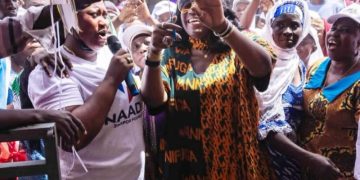
Community members in the beneficiary areas have welcomed the latest intervention, describing it as a timely response to one of their most pressing needs. They expressed appreciation to the GMA, the Regional Minister, and Humanity First Ghana for supporting communities that have long struggled with access to clean and safe drinking water.
For many residents, the boreholes will not only provide water but also contribute to better health outcomes, improved sanitation, enhanced educational opportunities, and a higher quality of life.
Source: www.kumasimail.com