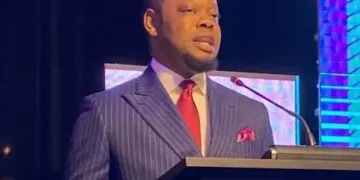









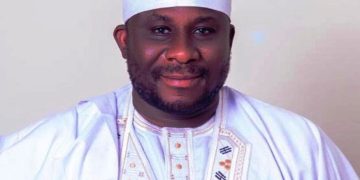




























Dr Abraham Gyamfi, a lecturer at the University of Skills Training and Entrepreneurial Development (USTED), has said he expects President John Dramani Mahama to sign the controversial anti‑LGBTQ+ bill once outstanding legal and procedural concerns are resolved.


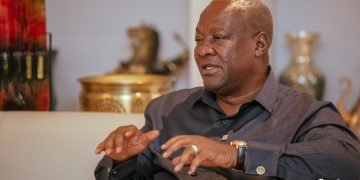
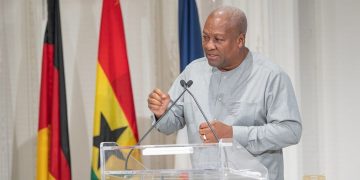
The bill was passed by Parliament last Friday, prompting intense national and international debate. Speaking during a question‑and‑answer session at Chatham House in the United Kingdom, President Mahama said concerns surrounding the bill must be addressed before it is presented for his assent.
Speaking in an interview with Fakye TV’s DayBreak programme on Tuesday monitored by Kumasimail, Dr Gyamfi said he would be surprised if Mr Mahama declined to sign the legislation.
“I will be surprised if the President doesn’t assent to the bill,” Dr Gyamfi said. “If you ask me the probability of the President signing this bill, it is 99%.”
He argued that political considerations and the desire to leave a legacy for the governing National Democratic Congress (NDC) will influence the President’s decision.
“Aside from our culture and governance, politics is also in this world. Now Mahama is doing everything possible to make sure he will leave a legacy so that the next flagbearer for the NDC will find it easier to win,” Dr Gyamfi said.
Dr Gyamfi added that many Ghanaians expect the government to assent to the bill and suggested the President will sign once the issues raised are addressed.
“One of the things Ghanaians are expecting this government to do is assent to this particular bill, so I would be surprised if the President decides not to sign when it has been passed by Parliament,” he said.
The lecturer also referenced earlier criticisms directed at a previous administration over refusal to assent to legislation, implying similar criticism could arise if the current President withheld his signature.
President Mahama’s office has not given a timeline for when the bill will be returned to the presidency for assent. Observers say the coming days and any legal or procedural clarifications will be crucial in determining the bill’s fate.
Source: www.Kumasimail.com