























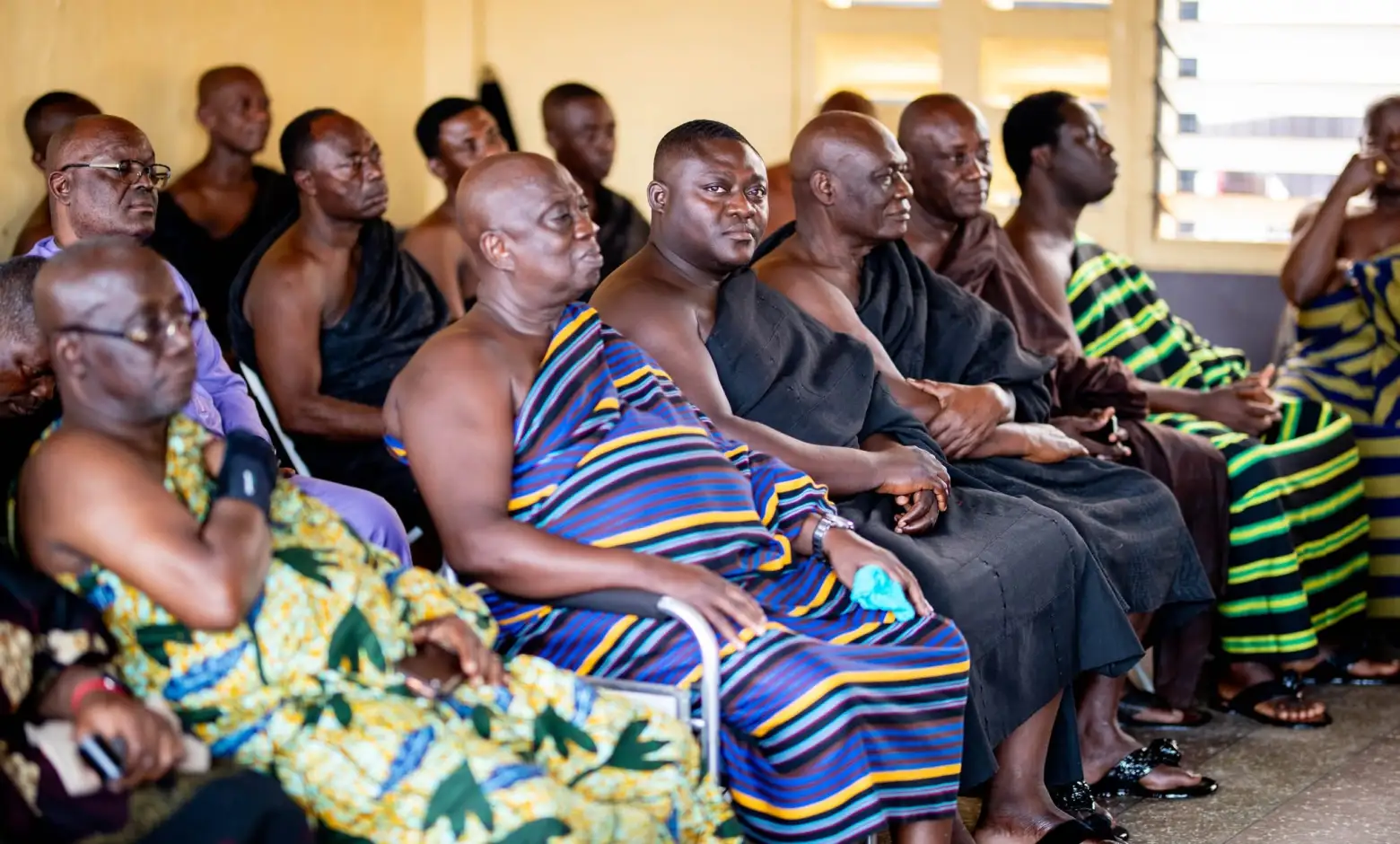
Traditional authorities in Kumasi are expected to inspect the Afari Military Hospital and the Sewua Hospital next week amid growing concerns over delays in completing critical health infrastructure projects in the Ashanti Region.


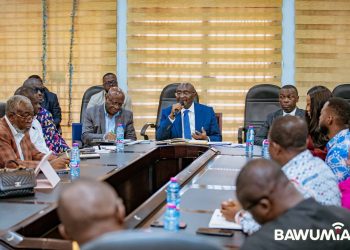
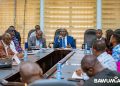
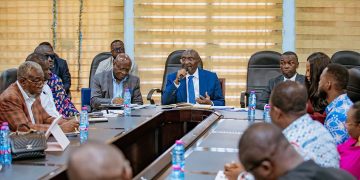
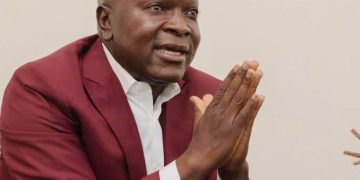
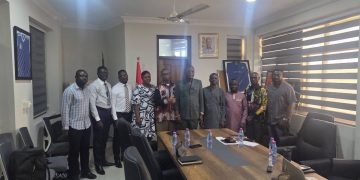
The decision was reached during a meeting at the Manhyia Palace on June 11, where the Ashanti Regional Minister, Dr. Frank Amoakohene, briefed chiefs on the state of healthcare delivery and ongoing hospital projects across the region.
The visit, initially scheduled for June 12, was postponed at the request of the Regional Minister to allow contractors and project consultants to be present and provide detailed updates on the status of the two facilities.
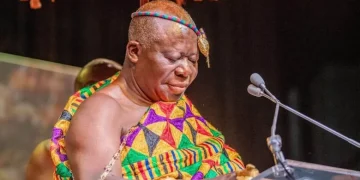
The meeting, chaired by Nana Boakye Yam Ababio, Nkwantakesehene and acting head of Kumasi in the absence of the Asantehene, focused largely on the apparent inactivity at the Afari and Sewua hospitals despite persistent congestion at the Accident and Emergency Centre of the Komfo Anokye Teaching Hospital (KATH).
Responding to concerns raised by the traditional leaders, Dr. Amoakohene said government was pursuing a strategy aimed at strengthening healthcare delivery at all levels to reduce pressure on tertiary facilities.
He disclosed that 15 primary healthcare hospitals had been completed and commissioned across the region, while 48 additional facilities inherited from the previous administration are under construction and expected to be completed by the end of the year.
The Regional Minister also announced that three secondary-level hospitals at Drobonso, Twedie and Suame became operational in 2025.
On the government’s flagship Agenda 111 programme, Dr. Amoakohene said President John Dramani Mahama had selected 10 projects nationwide for completion this year, with the Trede and Oforikrom hospitals among the facilities earmarked in the Ashanti Region.
He added that a special task force had been established to ensure the projects are completed on schedule.
Providing updates on the two hospitals of interest, Dr. Amoakohene said work on the Sewua Hospital was progressing, with the Electricity Company of Ghana constructing a substation to power the facility, while arrangements had been made for water supply and road construction to the site.
According to him, Kofi Job Construction has been awarded a contract to construct the access roads leading to the hospital.
However, he acknowledged uncertainty surrounding the completion of the Afari Military Hospital, explaining that work remains stalled due to unresolved procurement processes.
“The project can only proceed once all the necessary documentation is completed and funding is secured through the mid-year budget,” he said.
The Minister further disclosed that the renovation of KATH under the Heal KATH initiative, championed by the Asantehene, had been temporarily suspended to create adequate space for patient care while government works to operationalise the Sewua and Afari hospitals.
He assured the chiefs that the renovation project would resume immediately after the two facilities become functional.
Dr. Amoakohene also highlighted other ongoing projects at KATH, including the construction of a Cardiac Catheterisation Laboratory (Cath Lab) to improve treatment for heart-related conditions. He noted, however, that work on the hospital’s Maternity and Children’s Block remains stalled pending action by the Ministry of Finance and the Public Procurement Authority.
To address congestion at KATH, he revealed that health authorities are considering a “reverse referral” system that would allow stabilised patients to be transferred back to district hospitals for continued care, while specialists from KATH would be deployed periodically to support healthcare delivery in district facilities.
The proposals, he said, are awaiting approval from the Ministry of Health.
The meeting also discussed sanitation challenges in Kumasi, with traditional leaders expressing concern about deteriorating environmental conditions in parts of the metropolis.
Dr. Amoakohene and Kumasi Metropolitan Chief Executive Richard Ofori Agyemang outlined a number of interventions, including the National Sanitation Day programme, the establishment of a sanitation task force, and the reintroduction of the “Samansaman” initiative, which is expected to begin on July 3.
The Mayor disclosed that between 2,000 and 3,000 tonnes of waste are generated daily in Kumasi, with the Assembly spending approximately GH¢150,000 every week on waste management.
He also announced that new street-sweeping trucks had arrived in the country and would soon be deployed to improve sanitation services across the metropolis.
The traditional leaders are expected to use next week’s inspection tour to assess progress on the Afari and Sewua hospitals and receive briefings from contractors on timelines for their completion and operationalisation.
Source: www.kumasimail.com