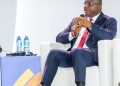

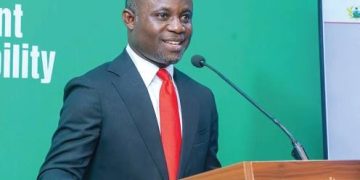



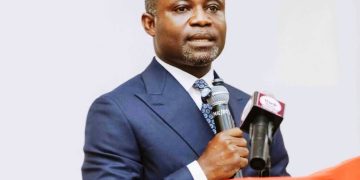

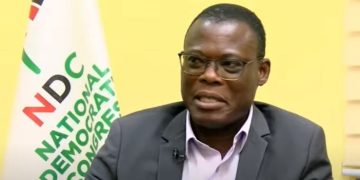








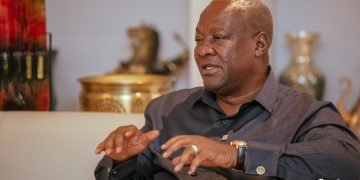


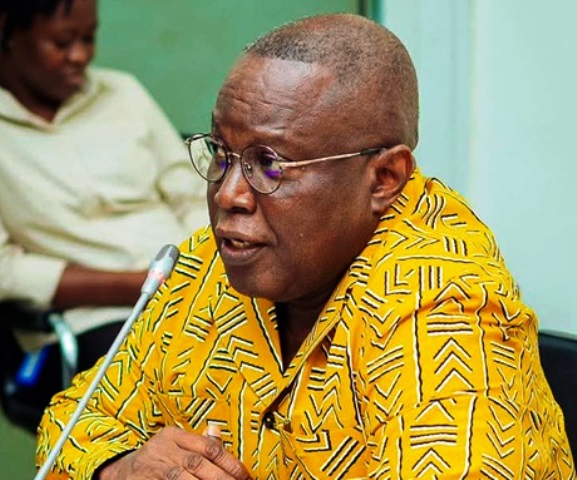
The Chairman of the National Development Planning Commission (NDPC), Dr. Nii Moi Thompson, has identified weak institutions, poor enforcement of regulations, and the absence of sustained long-term planning as major obstacles to Ghana’s development, insisting that strengthening these areas is crucial for the country’s economic transformation.


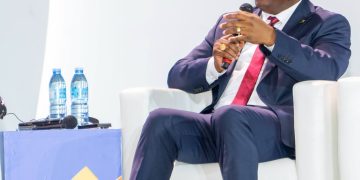
Speaking on Channel One TV’s Face to Face programme, Dr. Thompson, who also serves as Senior Advisor to the President on the Sustainable Development Goals (SDGs), argued that institutional weakness remains Ghana’s biggest development challenge.
“We always talk about budget deficits and trade deficits, but the mother of all deficits is institutional deficits,” he said. “We have very weak institutions; in most instances they do not even exist. Without building institutions, we are not going anywhere because institutions are the engine of growth.”
Dr. Thompson stressed that effective institutions are essential for implementing policies, enforcing regulations, and driving sustainable national development.
He also underscored the importance of long-term planning, noting that many of Ghana’s current challenges could have been prevented if existing development plans had been properly implemented.
According to him, Ghana has already developed comprehensive plans covering urban development, flood management, coastal protection, land-use regulation, and infrastructure expansion, but successive failures in implementation have undermined their impact.
“Everything we are going through shouldn’t have happened,” he stated. “We thought about all these things in 2017 and put them in a document to guide the people who run the city, but nobody worked with it. The floods didn’t have to happen, and even where they did, the damage would have been far less if we had acted on those plans years ago.”
The NDPC Chairman further blamed recurring problems such as illegal construction, encroachment on waterways, and environmental degradation on weak enforcement and corruption within regulatory institutions.
“It’s not just the ill-disciplined citizen who’s encroaching on public land, but also the corrupt officials who allow these things to happen,” he said. “We have bylaws, zoning laws and assemblies responsible for enforcing them, but where individuals within these institutions are corrupt, these problems will persist.”
Dr. Thompson called for stronger accountability systems and more effective enforcement of planning regulations to protect lives, property, and the environment.
On the economy, he argued that Ghana must adopt a long-term national development plan focused on transforming its largely informal economic structure. He noted that about 92 per cent of businesses operate in the informal sector, limiting productivity, tax mobilisation, and wealth creation.
“If we want to grow this country, we must first transform it, and in order to transform it, you need a vision, which is a long-term national development plan,” he said. “Part of the reason we keep going back to the IMF is that we have a highly informal economy where most businesses are engaged in low-value activities that do not create the wealth needed for development.”
Dr. Thompson also urged greater attention to inclusive development, particularly in the Savannah Belt, where vast agricultural potential remains untapped despite high levels of poverty.
He maintained that Ghana’s path to sustainable growth lies in combining visionary leadership, strong institutions, and disciplined implementation of long-term development strategies.
“The only strategy is the transformation of the economy,” he said. “We need a roadmap for economic transformation and shared prosperity because we cannot continue with business as usual and expect development.”
Source: www.kumasimail.com