





















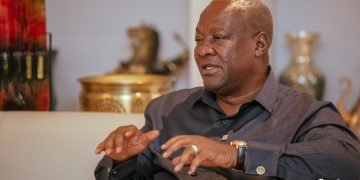


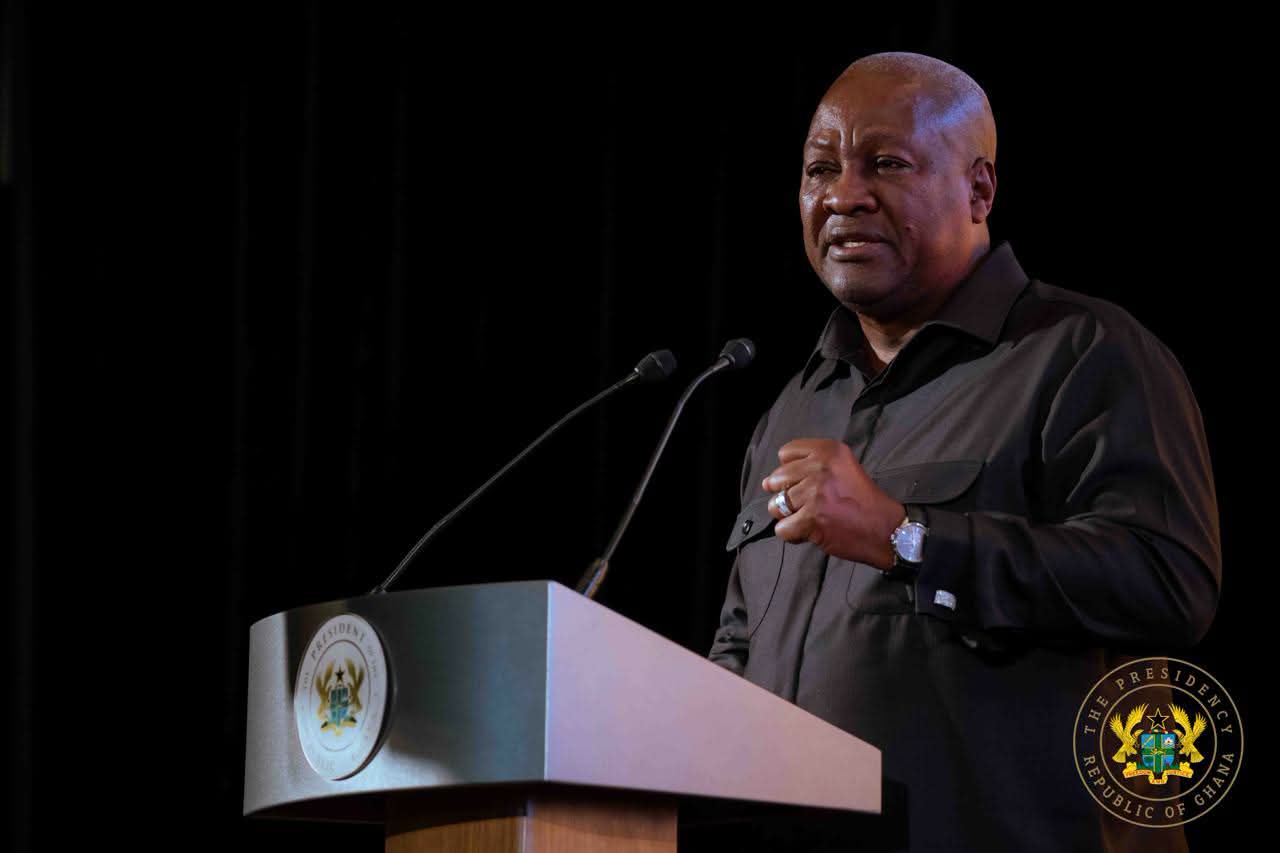
President of Ghana, John Dramani Mahama has called on the international community to move beyond discussions on historical injustices and take practical steps towards achieving reparatory justice for the lasting effects of the transatlantic slave trade.


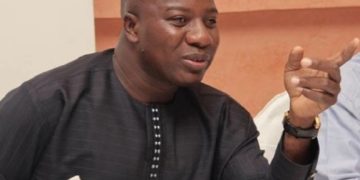
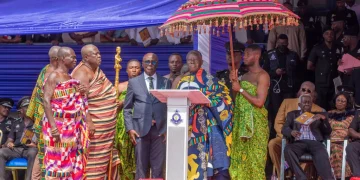
Addressing global leaders at the opening of the Next Steps High-Level Consultative Conference on Reparatory Justice in Accra, President Mahama said the legacy of the slave trade continues to influence inequalities, institutions and societies across generations.
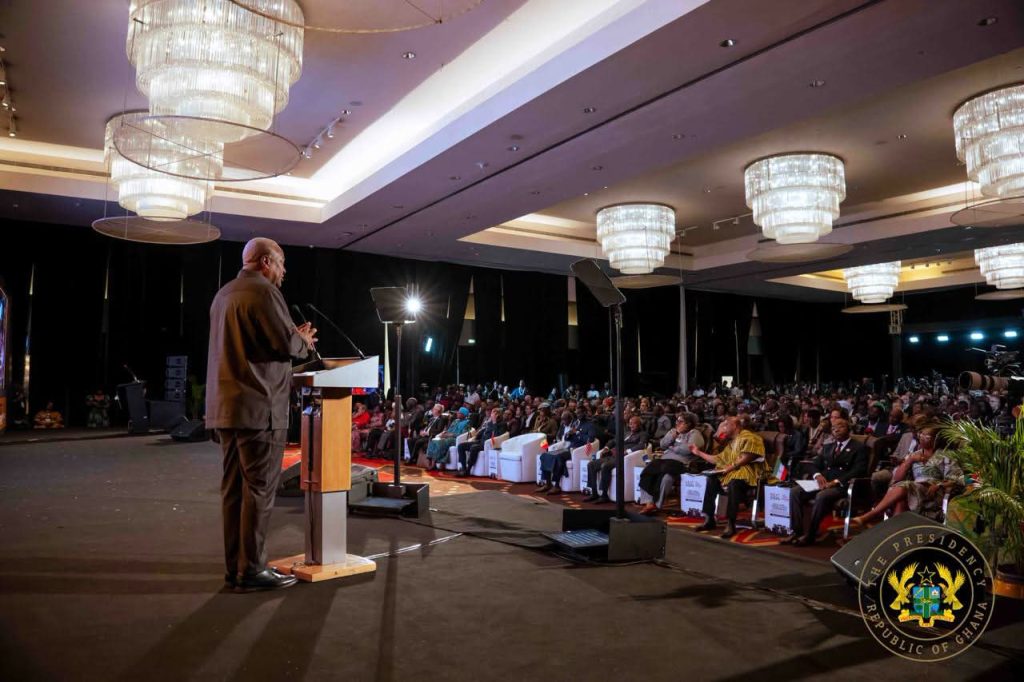
He described the transatlantic slave trade as one of the most serious crimes against humanity and stressed the need for a renewed global commitment focused on truth, accountability, reconciliation and meaningful action.
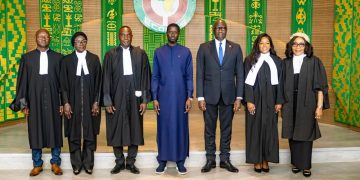
President Mahama announced the establishment of three international panels to support the next phase of the reparatory justice agenda. The panels will focus on reparations, the restitution of cultural artefacts, and legal pathways for seeking redress.
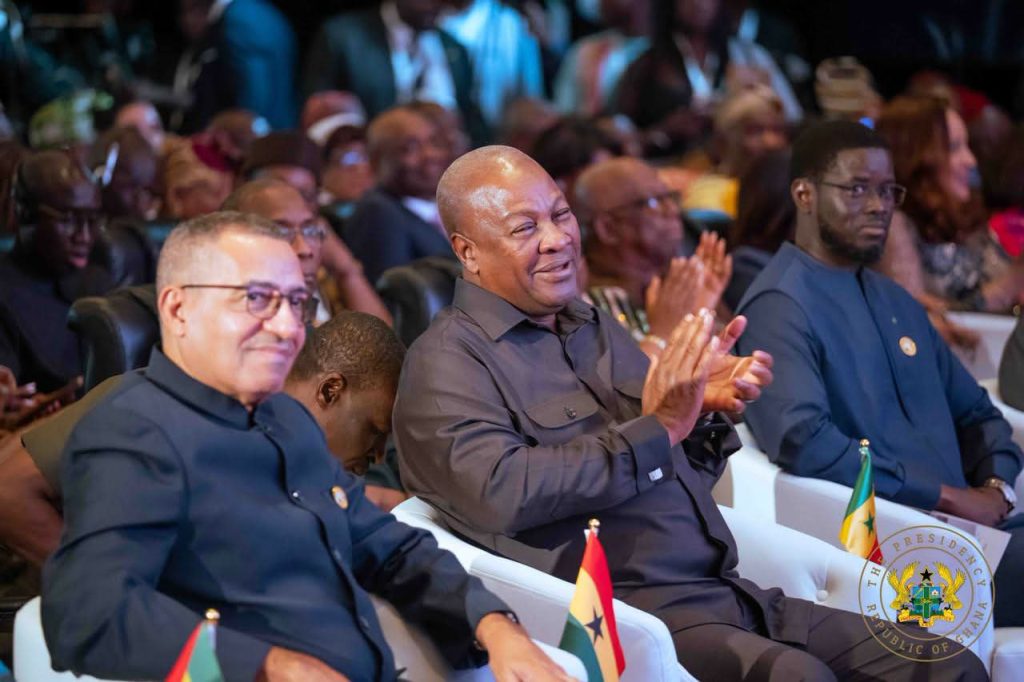
According to the President, addressing the consequences of historical injustices is not about assigning blame to present generations but about taking collective responsibility to promote justice and healing.
“While today’s generation did not commit the atrocities of the transatlantic slave trade, we bear a responsibility to confront its enduring consequences through justice, dialogue, remembrance and partnership,” he said.
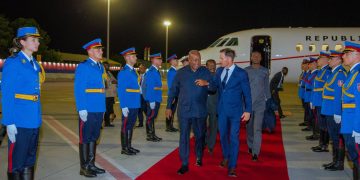
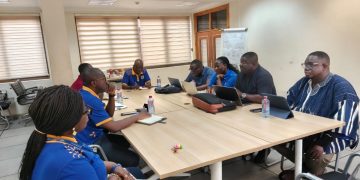
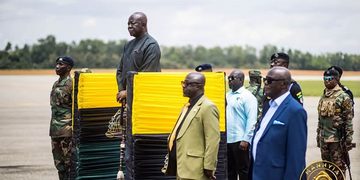
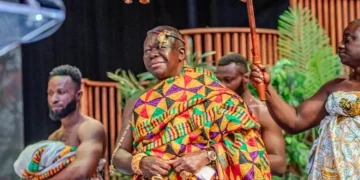
The conference attracted heads of state, government representatives and international figures from across the world, including leaders from Senegal, Namibia, Liberia and São Tomé and Príncipe, as well as the Prime Minister of Barbados and other senior officials from more than 80 countries.
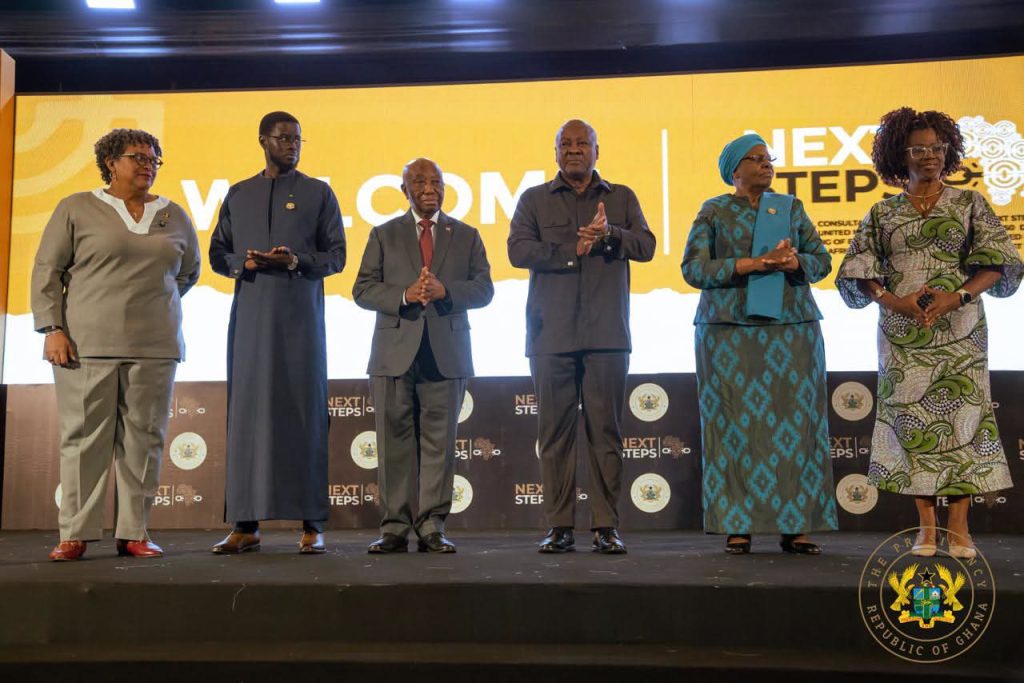
Former President John Agyekum Kufuor was also among the dignitaries who attended the gathering.
The meeting is expected to strengthen international cooperation on reparatory justice and reinforce Ghana’s role in leading conversations on historical accountability and reconciliation.
President Mahama said future generations would assess today’s leaders not only by the decisions they make but by the results achieved.
“Future generations will judge us not by the resolutions we adopted, but by the progress we achieved,” he stated.
Source :www.kumasimail.com