















The Parliamentary Committee on Constitutional, Legal and Parliamentary Affairs is pushing for district-level offices for the Legal Aid Commission to make access to justice easier for ordinary Ghanaians.


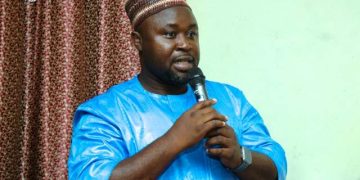
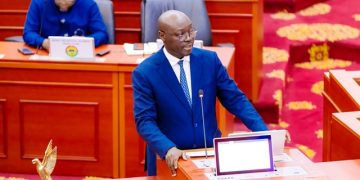
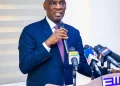
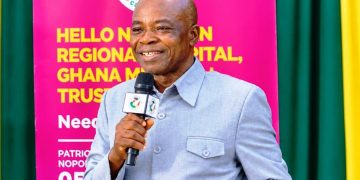
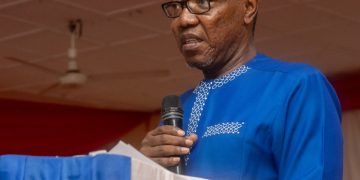
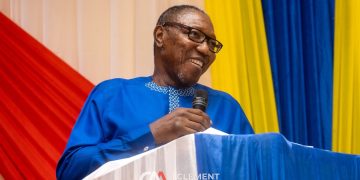
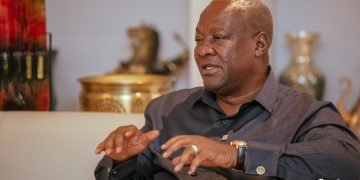
The committee’s chairman, Mahama Saibu, said the lack of offices, lawyers and adequate funding was limiting the Commission’s ability to fulfil its constitutional mandate, particularly in underserved communities.
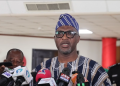
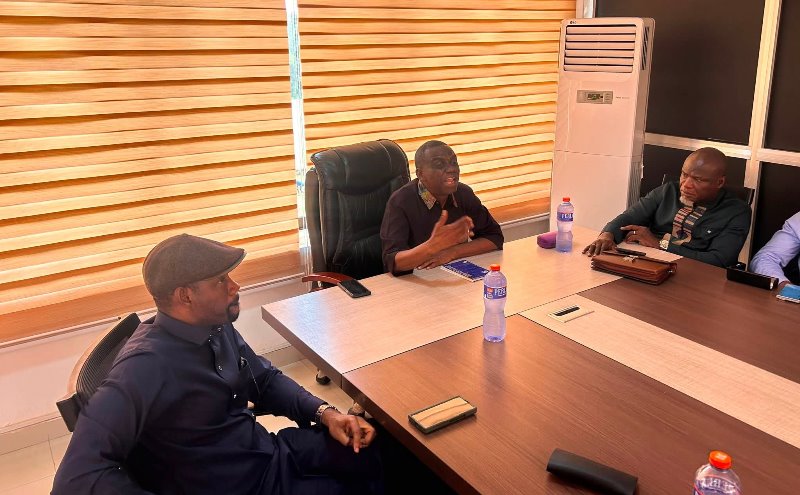
Speaking during a courtesy call on the Upper East Regional Coordinating Council on Monday, Mr Saibu said the committee’s nationwide engagement was aimed at identifying the challenges confronting institutions under its oversight and building a stronger case for government support.
He said the Legal Aid Commission remained severely under-resourced, leaving many poor and vulnerable people without access to legal representation.
“From 2017, if you check the Hansard of Parliament, each time we do a budget and contribute, all of my contributions are about legal aid and how we can resource legal aid to be able to perform its constitutional mandate,” he said.
According to him, while wealthy Ghanaians could afford private lawyers, many people at the grassroots were unable to secure legal representation because of the limited capacity of the Legal Aid Commission.
He said the Commission also struggled to attract and retain lawyers because of inadequate resources and conditions of service.
Mr Saibu disclosed that some MPs had been providing pro bono legal services through the Commission where lawyers were unavailable, but said access to justice should not depend on voluntary interventions.
“We want to bring justice delivery to the doorsteps at the district level,” he said, appealing to the Regional Coordinating Council and Metropolitan, Municipal and District Assemblies to provide office space for Legal Aid officers.
He said such a move would enable the Commission to expand its operations without waiting for government to construct new offices.

“If at your district coordinating offices, you can just allocate a single office for Legal Aid, then we can make a case to the Attorney General that we have offices ready and lawyers should be posted,” he said.
Mr Saibu described the situation as a “chicken and egg” problem, explaining that lawyers could not be posted to districts without offices, while the Commission lacked the resources to establish offices across the country.
He urged the Regional Coordinating Council to engage the assemblies to identify available spaces that could be allocated to the Commission.
Support for pro bono lawyers
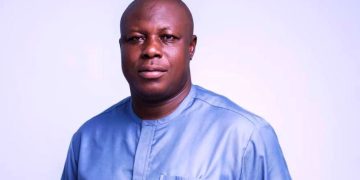
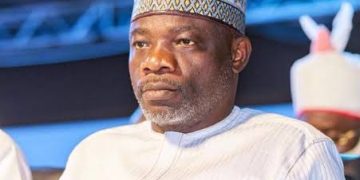
The MP for Odotobri, Anthony Mmieh, also called for incentives to encourage more lawyers to provide pro bono services through the Legal Aid Commission.
He said the volume of cases handled by the Commission required greater participation from legal practitioners.
Mr Mmieh proposed that assemblies consider using part of their internally generated funds to provide stipends or other support for lawyers who offer legal aid services.
“Even though we are aware that currently every single money from the majority of funds that come in here are budget-specific, if you could just move things around slightly, if you could find some resources to support those who benefit from the entire set of supports, it would make this project a success,” he said.
RCC pledges support
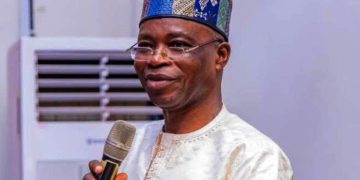
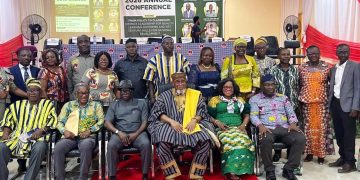
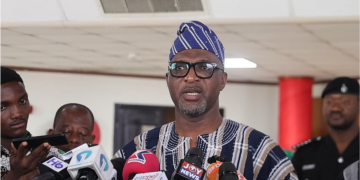
Receiving the delegation on behalf of the Upper East Regional Minister, Akamugri Donatus Atanga, the Regional Coordinating Director, Alhaji Mohammed Issahaku, said the Council was prepared to support efforts to expand access to legal aid.
He said the assemblies could be engaged to identify suitable office spaces, while the Council would explore ways of coordinating support among them.
Although he acknowledged the financial constraints facing the assemblies, Alhaji Issahaku said the Council would work with the Legal Aid Commission within available resources.
He urged the committee to formally communicate its specific requirements to the RCC to facilitate further action.
Mr Saibu said the committee would use findings from its regional engagements to make a case for increased funding for the Legal Aid Commission when Parliament considers the 2027 budget.
The Upper East Region was the first stop in the committee’s nationwide assessment of institutions and agencies under its oversight.
The delegation included MPs Joseph Aprah Boadu, Bismark Tetteh Nyarko, Kofi Benteh Afful and Philip Fiifi Buckman, as well as committee clerks and the Upper East Regional Director of the Legal Aid Commission, Issahaku Tahiru Lawal.
Source: www.kumasimail.com