

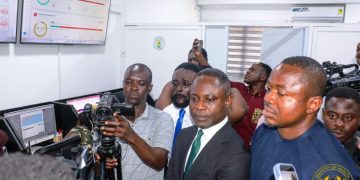
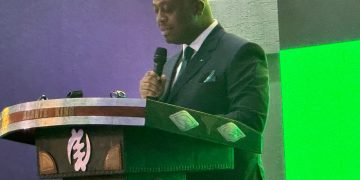






















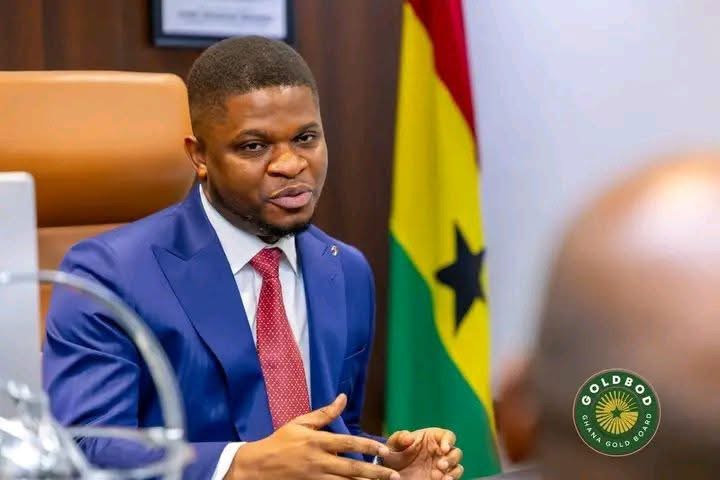
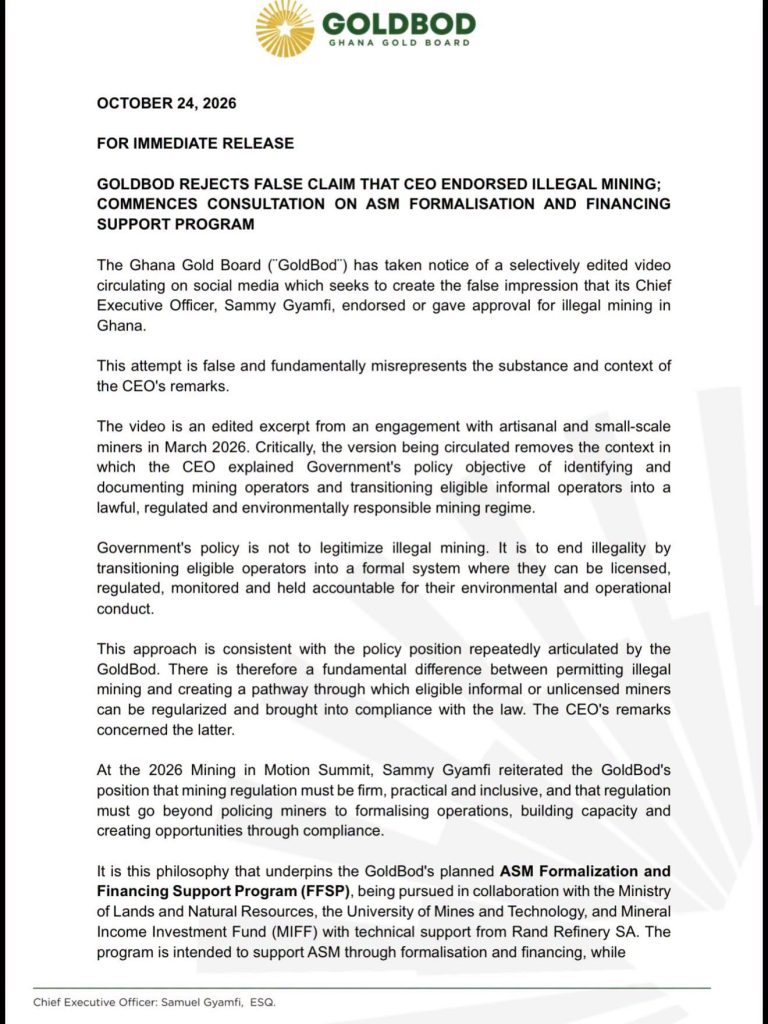
The Ghana Gold Board (GoldBod) has rejected suggestions that its Chief Executive Officer, Sammy Gyamfi, endorsed illegal mining, saying a video circulating on social media was selectively edited and misrepresented his remarks.


The Board said the footage was extracted from an engagement with artisanal and small-scale miners in March 2026, but omitted the context in which Mr Gyamfi explained Government’s plan to identify, document and transition eligible informal miners into a lawful, regulated and environmentally responsible system.
Formalisation, not endorsement
GoldBod insisted that its policy is not to legitimise illegal mining, but to end illegality by bringing eligible operators into a formal regime where they can be licensed, regulated, monitored and held accountable for their environmental and operational conduct.
It said there is a clear distinction between permitting illegal mining and creating a lawful pathway for eligible unlicensed miners to be regularised. According to the Board, Mr Gyamfi’s remarks concerned the latter.
The clarification follows public criticism of comments by Mr Gyamfi, who had said that miners operating outside forest reserves, water bodies, roadsides and other restricted areas could qualify for formalisation under the Government’s Responsible Cooperative Mining and Skills Development Programme.
GoldBod’s Public Relations Officer, Prince Kwame Minkah, later stressed that formalisation is “not a blanket amnesty” for illegal mining, but a structured process requiring licensing, environmental safeguards, training and regulatory oversight.
Consultations begin
The Board has commenced stakeholder consultations on its proposed Artisanal and Small-Scale Mining (ASM) Formalisation and Financing Support Programme (FFSP), which is expected to be rolled out in 2027.
The programme is being developed with the Ministry of Lands and Natural Resources, the University of Mines and Technology (UMaT) and the Minerals Income Investment Fund (MIIF), with technical support from South Africa’s Rand Refinery.
GoldBod said the consultations involve government agencies, small-scale miners’ associations, civil society organisations and other industry stakeholders. The engagements are intended to make the policy inclusive, responsive to industry needs and sustainable ahead of implementation.
The programme is expected to improve gold production, increase mineral revenues and jobs, reduce operational costs and help address environmental degradation in the ASM sector.
Geological studies underway
GoldBod is also partnering with the Ghana Geological Survey Authority (GGSA) to conduct geological studies in mineralised areas, beginning at Funsi in the Upper West Region and Bensere in the Ashanti Region.
The Board said the studies would support the responsible expansion of Ghana’s mining base and help eliminate “lottery mining,” which it said often degrades the environment.
Action against destruction
GoldBod reiterated that it opposes irresponsible and environmentally destructive mining, including activities that damage water bodies and forest reserves.
It said it is supporting the National Anti-Illegal Mining Operations Secretariat (NAIMOS), investing in responsible sourcing and traceability, land reclamation and water remediation.
The Board said it is funding the reclamation of 50 hectares of degraded land in the Tano Nimiri Forest Reserve, supporting the rehabilitation of water treatment plants affected by irresponsible mining, and procuring a track-and-trace system to strengthen accountability.
Legal mandate
GoldBod said its position is anchored in Section 3(1)(f) of the Ghana Gold Board Act, 2025 (Act 1140), which mandates the Board to promote the formalisation of the small-scale mining industry through supply-chain sustainability, among other functions.
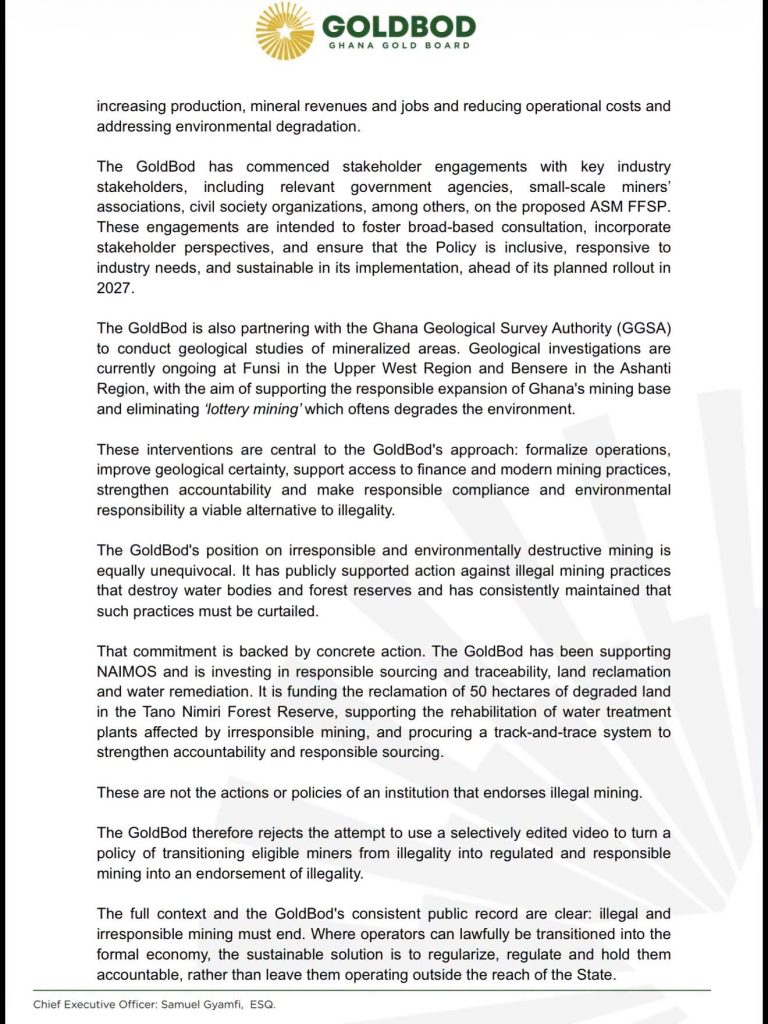
The Board maintained that illegal and irresponsible mining must end, but where operators can lawfully be transitioned into the formal economy, the sustainable solution is to regularise, regulate and hold them accountable rather than leave them outside the reach of the State.
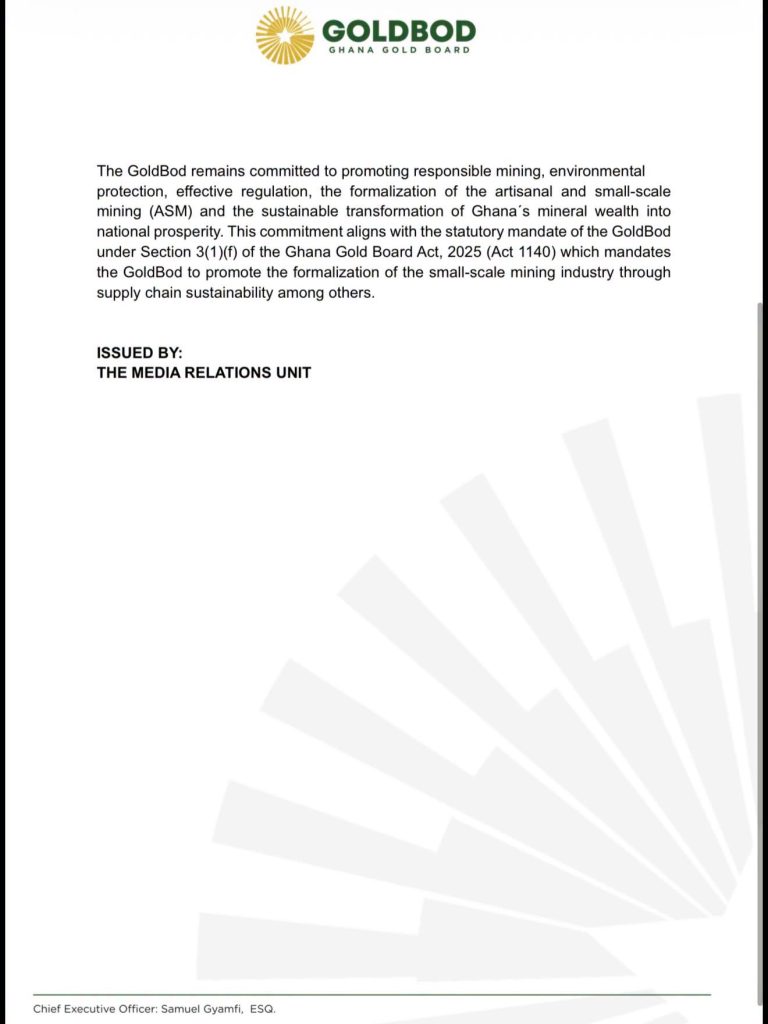
The statement was issued by the Media Relations Unit, Ghana Gold Board.
Source: www.Kumasimail.com