






























Ghana is seeking to attract major private-sector investments into rice and sugar production, with government proposing that public institutions purchase locally manufactured products to guarantee markets for investors and strengthen domestic agricultural value chains.


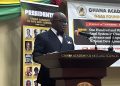
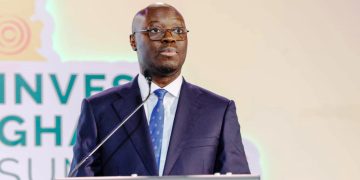
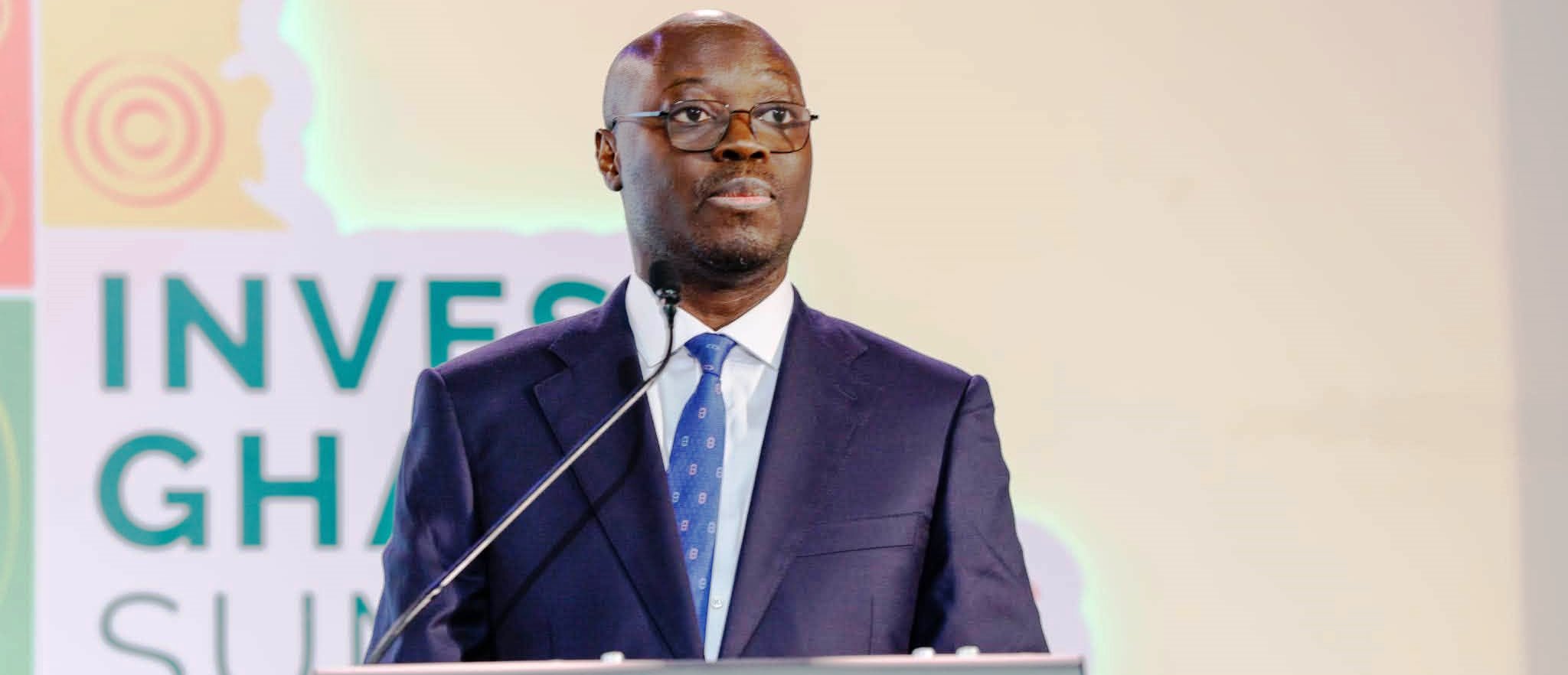
Finance Minister Dr Cassiel Ato Baah Forson disclosed the proposal at the Invest Ghana Summit 2026 on Monday, November 16, as he outlined government’s plans to make commercial agriculture a major driver of Ghana’s economic transformation.
He said the proposed arrangement would create a dependable market for businesses investing in local rice and sugar production, potentially stimulating investments in irrigation, storage, milling and packaging infrastructure.
“Ghana has the customers for it,” Dr Forson said, making the case for public institutions to prioritise locally produced rice and sugar.
The proposal is expected to provide a stronger market incentive for investors while reducing reliance on imported agricultural products. However, it was presented as a proposed government measure rather than an already implemented procurement policy.
His remarks add an important investment dimension to the agricultural transformation agenda outlined by the Minister for Food and Agriculture, Hon. Eric Opoku, at the summit.
Mr Opoku called for a fundamental shift from predominantly primary agricultural production to a commercially driven, value-added and industrially connected sector capable of competing in regional and international markets.
He cited agriculture’s contribution of 22.8 per cent to Ghana’s Gross Domestic Product (GDP) in 2025 and its 6.8 per cent growth rate as evidence of the sector’s investment potential.
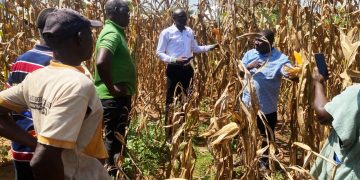
According to him, the government’s Feed Ghana Programme is designed to bridge the longstanding gap between agricultural production and industrial processing through investments in irrigation systems, storage facilities and mechanised farming services.
He identified grains, poultry, horticulture and tree crops as priority areas for investment, stressing that stronger partnerships between farmers, processors and investors would be critical to building competitive agricultural value chains.
Mr Opoku also emphasised the need to align agricultural production with market demand, including the volumes, crop varieties and quality standards required by processors and other market players.
He assured investors that government was committed to addressing challenges associated with access to land, regulatory bottlenecks and financing arrangements that take account of the seasonal nature of agricultural production.
$10bn investment programme
Dr Forson further positioned commercial agriculture within government’s broader New Economy Programme, which seeks to expand domestic production, strengthen local industries and increase Ghana’s competitiveness in international markets.
He identified commercial agriculture as one of eight pillars of the programme, alongside macroeconomic stability and affordable finance, energy infrastructure, critical mineral value addition, tourism and creative arts, textiles and garments, pharmaceuticals and biomanufacturing, and the technology economy.
The Finance Minister disclosed that government was considering public investment of more than US$10 billion over four years, beginning with more than US$2.5 billion in 2027, to support the programme.
He explained that government intended to invest in critical infrastructure, including power, irrigation and transport, to make it easier for businesses to establish and expand their operations.
The broader investment strategy is expected to support commercial production, industrialisation, job creation and export growth.
Beyond domestic markets
Dr Forson also urged investors to look beyond Ghana’s domestic market and take advantage of opportunities offered by the African Continental Free Trade Area (AfCFTA).

He encouraged businesses to establish production capacities capable of serving markets across West Africa and the wider African continent.
He further urged international investors to partner with Ghanaian businesses, while challenging local companies to present viable expansion proposals that had previously struggled to secure financing.
The two ministers’ presentations at the summit point to a common government objective: connecting agricultural production to industrial processing, reliable markets, infrastructure and private-sector capital.
For Ghana’s agricultural sector, the proposed public procurement arrangement for locally produced rice and sugar could become a significant incentive for investment if translated into a clear, sustainable and transparent implementation framework.
The Invest Ghana Summit 2026, held at the Kempinski Hotel Gold Coast City in Accra, brings together government officials, international investors, financial institutions and business leaders to explore investment opportunities under the theme, “Investing in Ghana’s New Economy: Building a Productive Economy that Creates Value and Competes Globally.”
Source: www.kumasimail.com