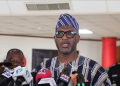



































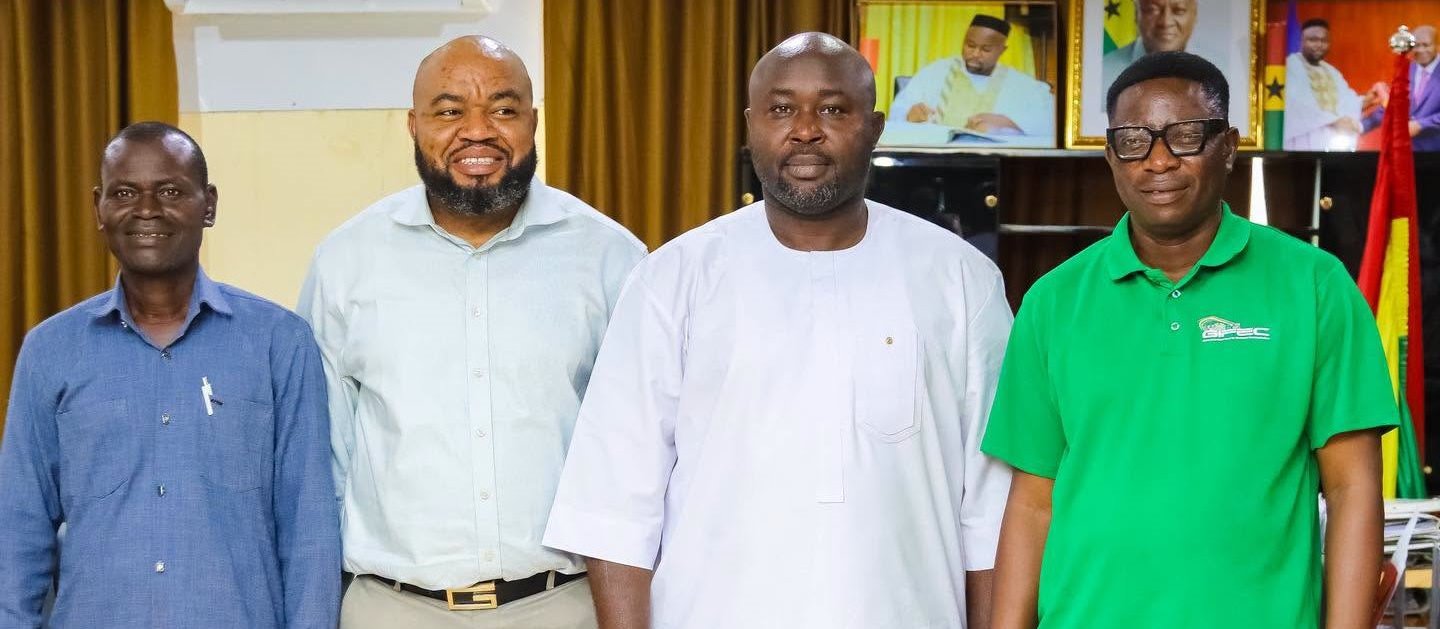
Savannah Regional Minister Salisu Be-Awuribe has called for the expansion of mobile network infrastructure to address persistent connectivity challenges in underserved communities across the region.


He made the appeal to the Ministry of Communication, Digital Technology and Innovation when Deputy Minister Mohammed Adams Sukparu paid a courtesy call on him at the Savannah Regional Coordinating Council in Damongo.
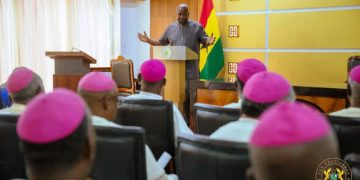
Mr Be-Awuribe Issifu said the region’s vast geographical size, making it Ghana’s largest, and its strategic location along international borders made reliable communication infrastructure critical to security, effective administration and socio-economic development.
He noted that poor network coverage in several communities continued to limit communication and access to essential services, requiring targeted interventions.
The Regional Minister also called for an expansion of the government’s laptop distribution programme under the Ghana Investment Fund for Electronic Communications (GIFEC), pointing out that the North East Gonja District was excluded from the exercise.
On digital inclusion, he urged the Ministry to extend its Girls-in-ICT programme to boys in underserved rural communities, arguing that both groups needed opportunities to acquire digital skills, particularly in areas with limited access to computers and other technological facilities.
He, however, commended the Ministry for its existing interventions, including the distribution of laptops to beneficiaries across the region.
Responding, Mr Sukparu assured the Regional Minister of the government’s commitment to addressing connectivity challenges in the Savannah Region.
As part of his regional engagements, Mr Sukparu, together with GIFEC Administrator Tanko Rashid, popularly known as Tanko Computer, and the Regional Minister, also toured selected centres under the ongoing Girls-in-ICT programme to assess the progress of training.

The delegation visited Busunu St Peter’s JHS, Yamorasa Lab 13 and Cathedral JHS in Damongo, as well as Sawla Girls’ Model School in the Sawla District.
The monitoring exercise provided an opportunity to interact with facilitators and trainees and assess the implementation of the programme, which seeks to equip young girls with digital skills, promote STEM education and prepare them for opportunities in the digital economy.
The initiative forms part of GIFEC’s efforts to promote universal access to electronic communications and bridge the digital divide, particularly in underserved communities.
The Deputy Minister and the GIFEC Administrator also paid a courtesy visit to the Overlord of the Gonja Kingdom, Bii-Kunuto Jewu Soale I, where they acknowledged the importance of traditional leadership and community support in advancing digital inclusion.
GIFEC reaffirmed its commitment to empowering young people, particularly girls, through digital skills development and expanding access to opportunities in Ghana’s digital transformation agenda.
Source: www.kumasimail.com