





































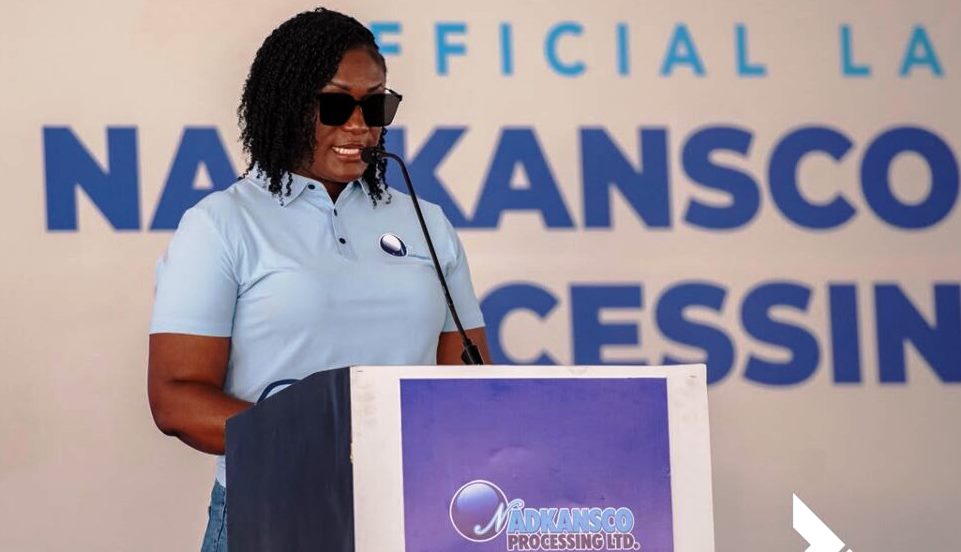
NADKANSCO Cashew Processing Limited is building an extensive farmer-support network across Ghana’s cashew-growing communities, targeting thousands of farmers under a training and outgrower programme designed to secure reliable raw material supplies for its newly commissioned processing factory in Techiman.


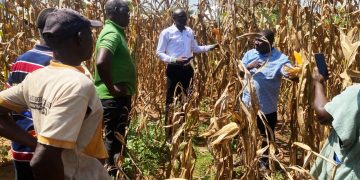
The company’s Managing Director, Belinda Akorfa Adokpa, disclosed that 1,247 cashew farmers had already received training within four weeks, with plans to expand the programme to thousands more farmers across eight districts.
She said the initiative was central to the company’s strategy to establish a dependable supply chain capable of sustaining its processing operations throughout the year and supporting its ambition to earn Ghana approximately US$40 million in foreign exchange annually.
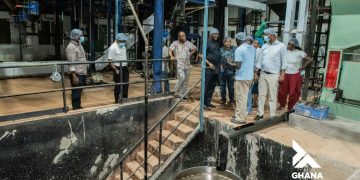
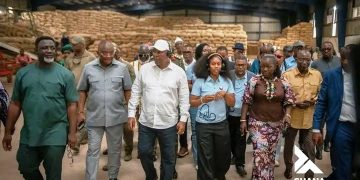
Mrs Adokpa announced this on Monday, November 16, when President John Dramani Mahama commissioned the NADKANSCO Cashew Processing Limited factory in Techiman in the Bono East Region.
Under the first phase of the capacity-building programme, the company plans to train an additional 1,000 farmers, building on the 1,247 already trained.
A second phase will target another 2,000 farmers across eight districts, extending the company’s engagement with cashew producers and strengthening its raw material supply network.
The initiative is particularly significant for the factory, which has an installed processing capacity of approximately 33,000 metric tonnes of raw cashew nuts annually and requires a consistent supply of the commodity to operate at full capacity.
The company’s farmer-support strategy also comes against the background of concerns over seasonal raw material shortages, which threaten the ability of local processors to sustain production beyond the harvesting season.
President Mahama, speaking at the commissioning, acknowledged the financing challenges associated with securing sufficient quantities of raw cashew nuts, disclosing that the factory’s existing working capital could sustain operations for only about 60 to 80 days.
He consequently announced plans for government to provide additional funding to Ghana EXIM Bank to support the company’s raw material purchases and enable it to maintain production throughout the year.
The President said the government wanted to avoid a situation where a major industrial investment operated for only a few months before shutting down until the next harvesting season.
For NADKANSCO, the farmer-training programme is therefore not merely a corporate social responsibility initiative but an important part of its production and business sustainability strategy.
By strengthening farmers’ production capacity and building relationships with producers, the company is seeking to reduce supply uncertainties while creating a more structured connection between agricultural production and industrial processing.
Mrs Adokpa also projected that the factory would create 1,500 direct jobs and more than 3,000 indirect employment opportunities for farmers, aggregators, transporters and traders.
She disclosed that women constituted the majority of the factory’s workforce, highlighting the potential of the investment to expand women’s participation in industrial employment.
The factory is expected to process cashew nuts into kernels and other value-added products for export, while also supplying products to the domestic market.

Its operations are expected to contribute to Ghana’s efforts to retain more value from its agricultural commodities, increase foreign exchange earnings and strengthen the competitiveness of locally processed products in international markets.
The commissioning represents a significant milestone for NADKANSCO, which was established in 2012 but struggled to operate consistently until the Ghana Export-Import Bank intervened with financing support.
Ghana EXIM Bank has committed approximately US$12 million to the project, covering processing equipment, working capital and workforce training.
With the factory now commissioned, the company’s ability to translate its farmer-development programme into a reliable supply of raw cashew nuts will be critical to achieving its production and export ambitions.
The success of the initiative could also offer an important model for other agro-processing companies seeking to build sustainable relationships with local farmers rather than depend entirely on open-market purchases of agricultural commodities.
Source: www.kumasimai;.com