


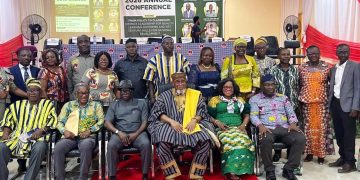



















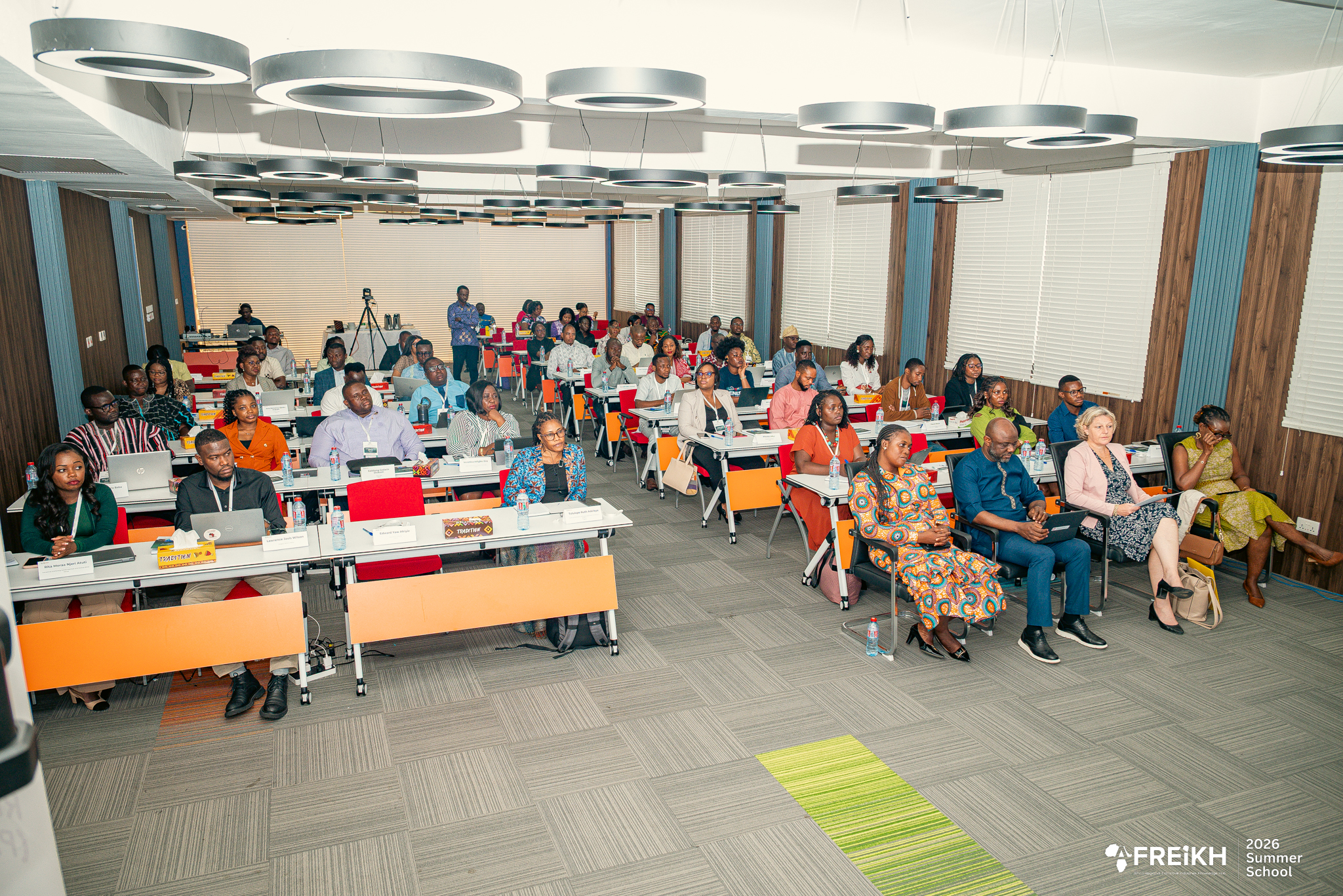
The Africa Centre for Energy Policy (ACEP), in partnership with the Natural Resource Governance Institute (NRGI) and the Deutsche Gesellschaft für Internationale Zusammenarbeit (GIZ), on Thursday, August 20, 2026, opened the 2026 Africa Regional Extractive Industries Knowledge Hub (AFREIKH) Summer School on “Managing Africa’s Extractive Future in the Energy Transition.”


The Summer School brings together stakeholders and practitioners to examine a critical question confronting the continent: How can Africa transform its vast natural resource wealth into meaningful and lasting development?
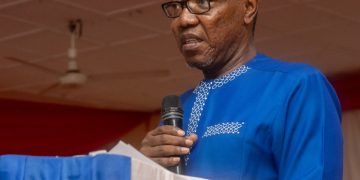
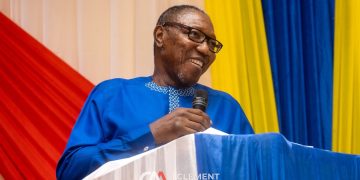
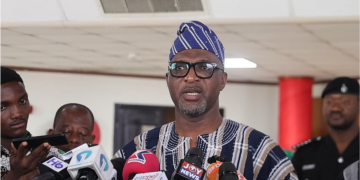
Delivering his opening remarks, ACEP Executive Director Benjamin Boakye noted that Africa’s long experience with resource extraction provides an important lesson as the continent enters a new phase of the global energy transition.
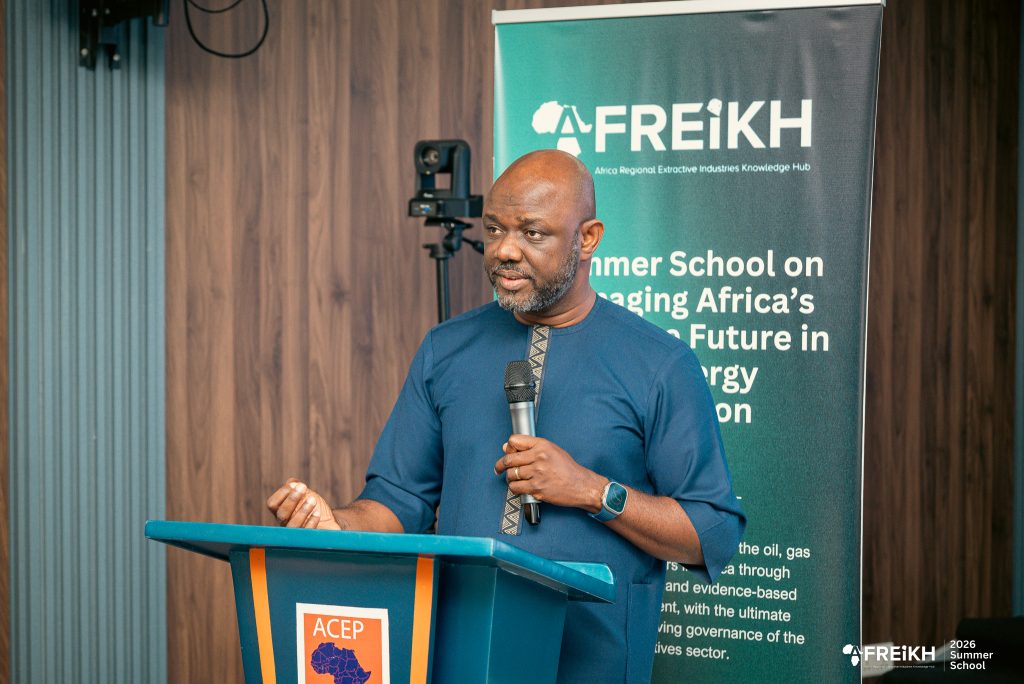
For decades, African countries have supplied oil, gas and minerals to global markets. Yet, despite the enormous revenues and investments generated by these resources, resource wealth has often failed to translate into broad-based economic transformation.
Oil revenues have created significant expectations without always delivering the development citizens anticipated, while mining in many countries has been accompanied by environmental degradation, weak governance and an unequal distribution of benefits.
Mr. Boakye said this history raises a critical question as global demand for critical minerals accelerates: Will critical minerals become another missed opportunity for Africa, or can they serve as a catalyst for industrialisation?
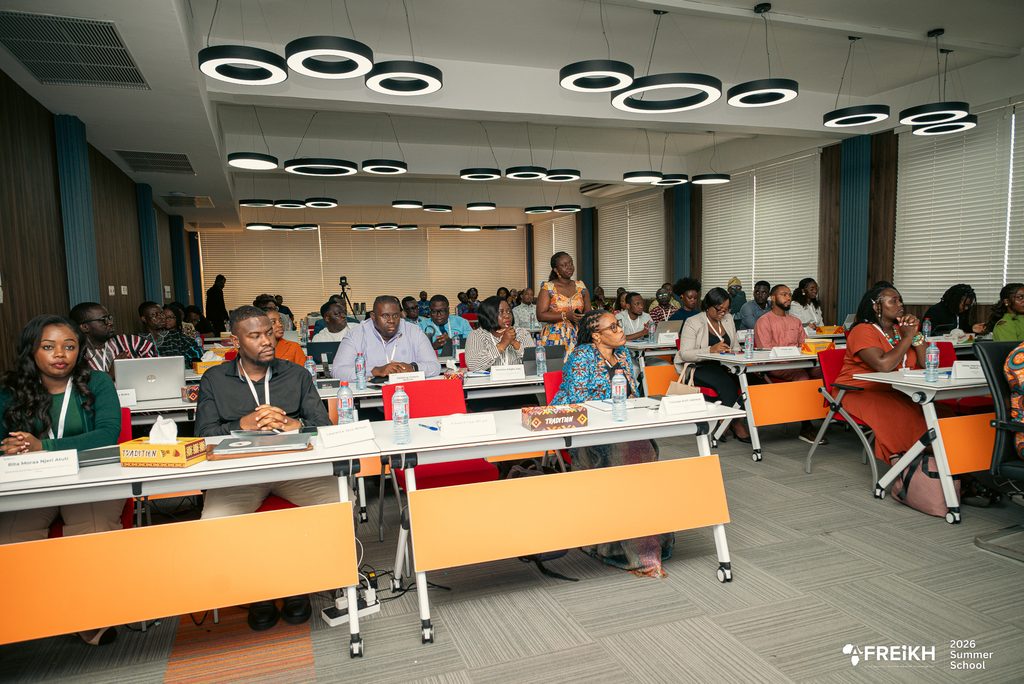
He stressed that Africa’s abundant deposits of critical minerals offer the continent a significant opportunity to participate meaningfully in the clean energy economy. However, possessing these resources is only the beginning. The real challenge, he noted, is determining how African countries can leverage them to create greater economic value at home.
Echoing this position, Nafi Quarshie, Africa Director at NRGI, called for Africa to move beyond an extract-and-export model that leaves much of the value of its natural resources outside the continent.
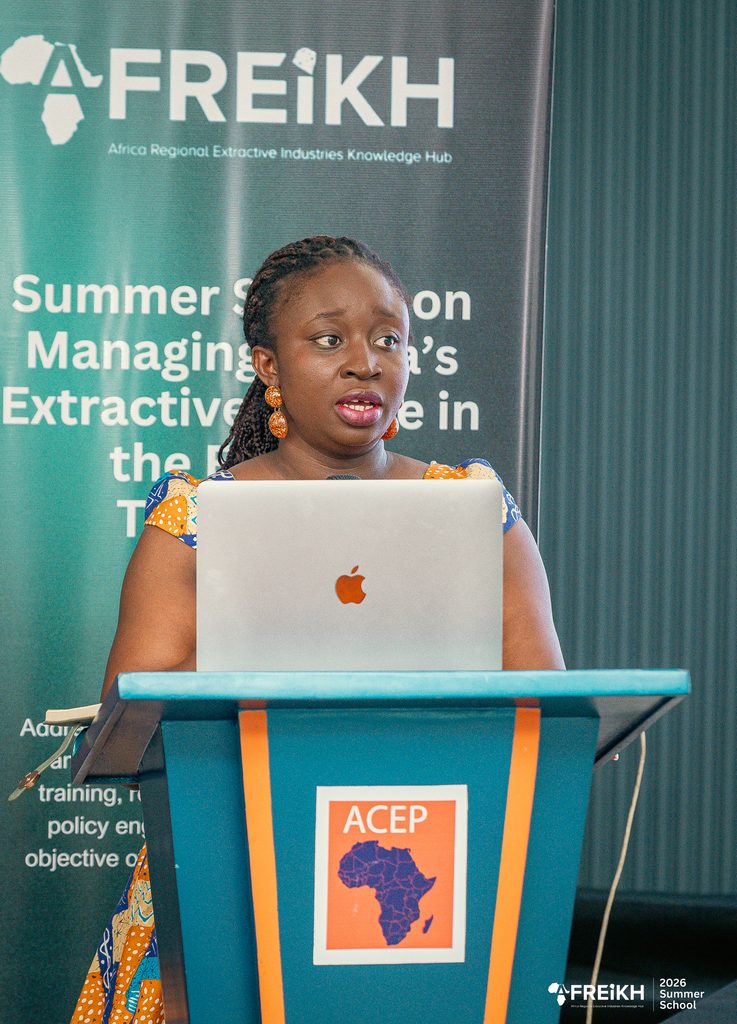
She emphasised the need for African countries to use their resource wealth to create jobs, develop industries, strengthen productive capacity and retain a greater share of the value generated from their natural resources. Achieving this, she noted, requires more than favourable commodity prices or increased investment; it requires strong institutions, skills, technology and the capabilities to convert natural resources into sustainable economic opportunities.
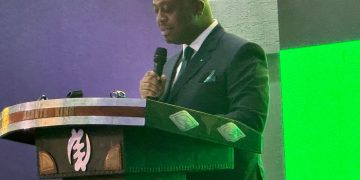
Magdalena Wüst, Deputy Head of Cooperation at the Embassy of Switzerland, described the Summer School as an important platform for learning, knowledge exchange, collaboration and peer learning.
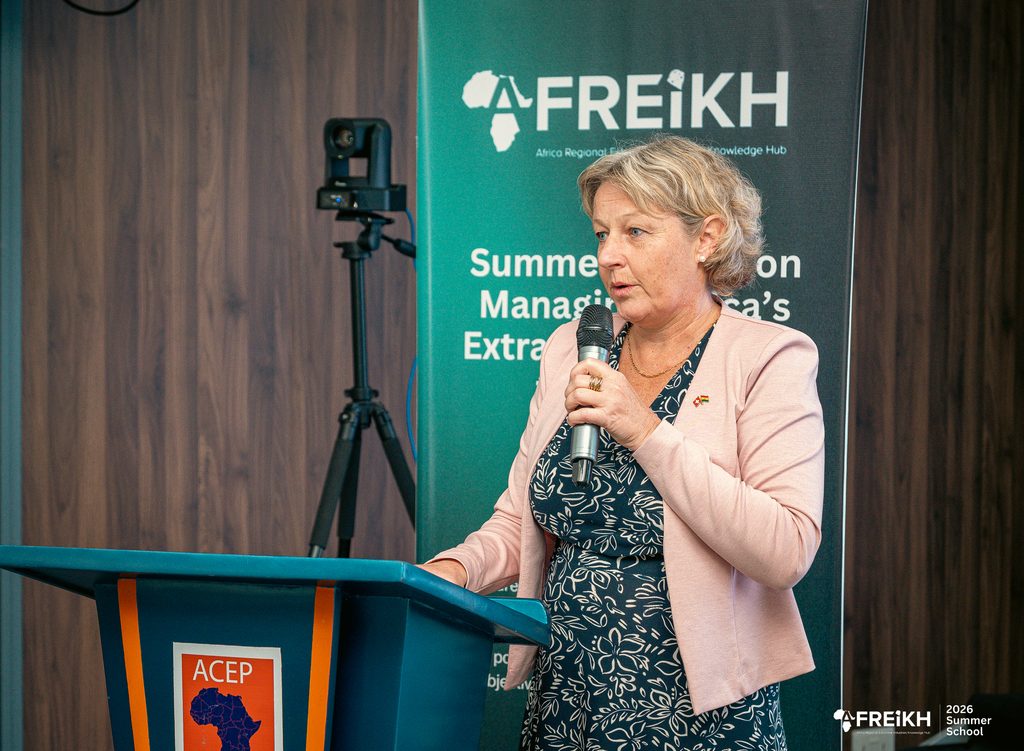
She challenged participants to confront the failures of past approaches to resource governance, strengthen institutions, demand accountability and question conventional models of managing Africa’s natural resources.
The discussions therefore point to a fundamental shift in how Africa must approach its extractive future. The question is no longer simply what resources does Africa have? but rather what capabilities does Africa need to capture and retain greater value from those resources?
As the global energy transition reshapes demand for minerals and other natural resources, Africa stands at a critical crossroads. The continent has the resources.
The defining challenge is whether it can build the institutions, skills, industries and productive capabilities needed to transform those resources into jobs, value addition, industrial growth and lasting development.
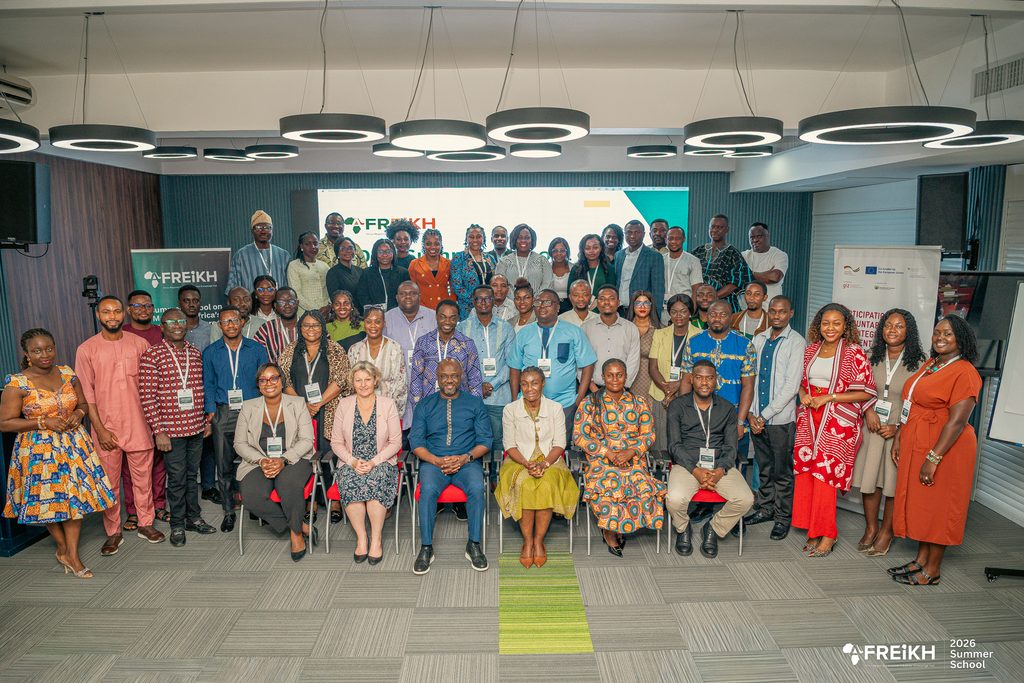
The AFREIKH Summer School seeks to contribute to that conversation by equipping participants with the knowledge and perspectives needed to shape a more sustainable and inclusive extractive future for Africa.
Source: www.kumasimail.com