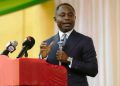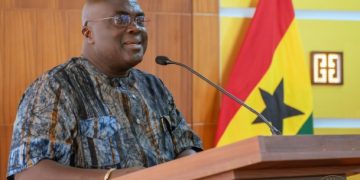





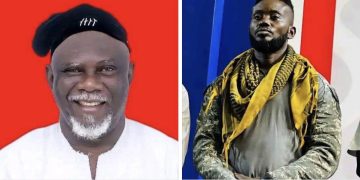
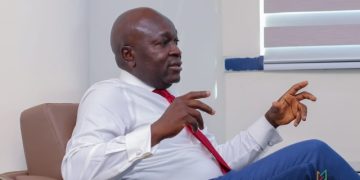








Veteran journalist and Pan-Africanist Kwesi Pratt Jnr. has called for a fundamental shift in Africa’s economic strategy, arguing that the continent cannot achieve genuine independence while continuing to export raw materials and import finished products.


Mr Pratt said African countries must place industrialisation, value addition and strategic economic self-reliance at the centre of their development policies.
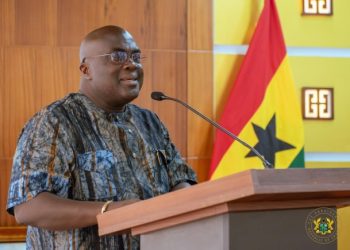
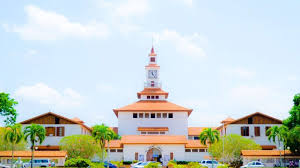
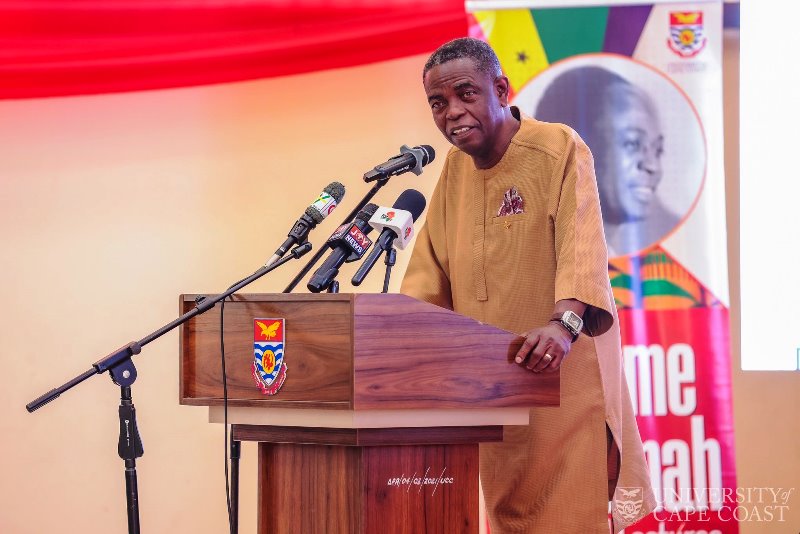
He made the call on Friday, September 18, 2026, during the second session of the 15th Kwame Nkrumah Memorial Lectures at the University of Cape Coast.
The lecture formed part of his two-day presentation on the theme, “Kwame Nkrumah, Yesterday, Today and Tomorrow: Perspectives on Constitutionalism, Development and Pan-Africanism.”
Mr Pratt argued that many of the economic problems that confronted Ghana at independence remain visible across the continent, including dependence on raw commodity exports, unemployment, public debt, import dependence and foreign exchange pressures.
He questioned why countries such as Ghana continue to import goods that could be produced domestically, saying governments must deliberately build the productive capacity required to manufacture locally.
For Mr Pratt, economic independence cannot be achieved simply by creating larger markets.
He used the African Continental Free Trade Area as an example, arguing that African countries must first develop the capacity to produce competitive goods if the continental market is to translate into meaningful economic transformation.
“A larger market without production can simply become a larger market for goods elsewhere,” he cautioned.
He called for greater investment in transport infrastructure, harmonised standards, industrial value chains, digital connectivity and African-controlled financial institutions to support continental production and trade.
He also urged governments to pursue long-term development strategies that extend beyond electoral cycles.
Such strategies, he said, should sustain investment in industrialisation, education, agriculture, healthcare, energy, technology and infrastructure.
Mr Pratt further called for stronger African cooperation in natural resource management, climate negotiations, public health and emerging technologies.
His argument was anchored in what he presented as the continuing relevance of Kwame Nkrumah’s economic thinking.
He said the first President’s development strategy sought to move Ghana away from the colonial economic model in which the country exported commodities while importing manufactured goods.

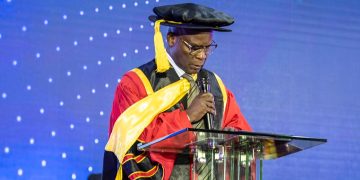
That argument was also reflected in comments by UCC Chancellor Dr (Sir) Sam Esson Jonah, who said Ghana continued to export commodities such as cocoa, gold and bauxite largely in raw form while importing products that could be manufactured locally.
Sir Sam urged Ghanaians, particularly young people, to move beyond commemorating Nkrumah and critically engage with the ideas behind his vision for Ghana and Africa.
Mr Pratt’s second lecture therefore shifted the focus from the constitutional question he examined on the first day to the economic foundations of political independence.
His broader argument was that political sovereignty is difficult to sustain without the productive capacity, industrial base and economic control required to make national development less dependent on external forces.
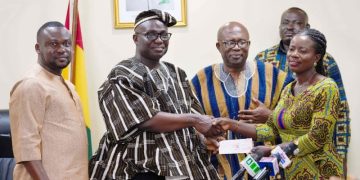
The lecture ended a two-day engagement that brought together questions of constitutionalism, economic development and Pan-Africanism, shortly before UCC conferred an honorary Doctor of Letters degree on Mr Pratt in recognition of his decades of work in journalism, public discourse and Pan-African thought.
Source: www.kumasimail.com