

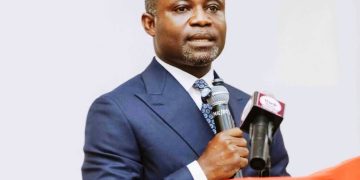

























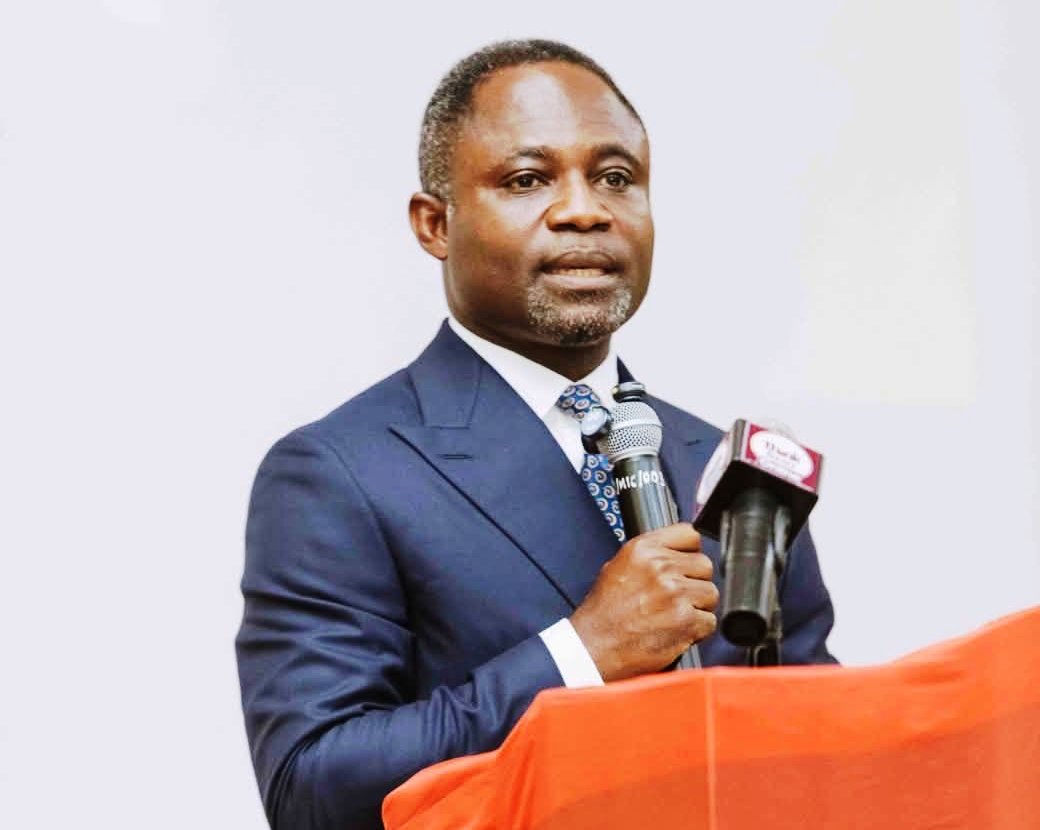
Ghana is facing a growing mismatch between the number of health professionals being trained and the government’s capacity to employ them, Health Minister Kwabena Mintah Akandoh has disclosed.


Mr Akandoh said more than 35,000 students are admitted into public health training institutions annually, but the state currently has the capacity to recruit only between 10,000 and 15,000 health professionals each year.
The imbalance, he said, was contributing to a growing number of trained health professionals who remain unemployed after completing their programmes.
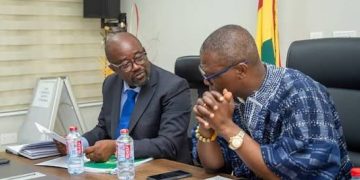
Speaking at a Health Sector Stakeholder Engagement in Accra on Wednesday, October 7, 2026, the Minister said Ghana needed to rethink its approach to health workforce planning to prevent the backlog from continuing to grow.
He questioned the rationale for continuing to train large numbers of health professionals when the government lacked the fiscal capacity to employ them.
Mr Akandoh said government was therefore considering reducing admissions into health-training institutions and using the savings generated to create additional employment opportunities for trained professionals.
The proposed approach represents a shift from focusing primarily on increasing the number of trained health workers to aligning training numbers with the country’s actual workforce needs and capacity to employ.
The Minister’s disclosure comes against the background of an inherited backlog of more than 80,000 trained health professionals awaiting employment.
Government has consequently been pursuing opportunities to secure employment for Ghanaian health professionals abroad through the Ghana Labour Exchange Programme.
Under the programme, 121 Ghanaian health professionals have so far travelled to Antigua for employment, with similar arrangements being explored with other countries.
Mr Akandoh said government had also created additional recruitment opportunities within the domestic health sector.
These include about 6,500 recruitment slots for nurses and midwives, as well as 300 positions for physician assistants.

Government is also seeking to expand specialist training, with a target of producing at least 1,000 specialists.
The Minister said specialist medical training was also being decentralised beyond Accra and Kumasi, with centres including Wa, Bolgatanga and Ho expected to provide opportunities for postgraduate medical education.
The workforce challenge comes at a critical point in Ghana’s health sector as government rolls out the Free Primary Healthcare programme, which will require adequate numbers of health professionals to provide services at the community and primary-care levels.
Mr Akandoh said the ultimate objective was to establish a health workforce system in which training, recruitment and deployment were better aligned with the country’s healthcare needs and financial capacity.
Source: www.kumasimail.com