




























The Ministry of Education has dismissed reports suggesting that it intends to impose the teaching of Arabic on students in Ghanaian schools.


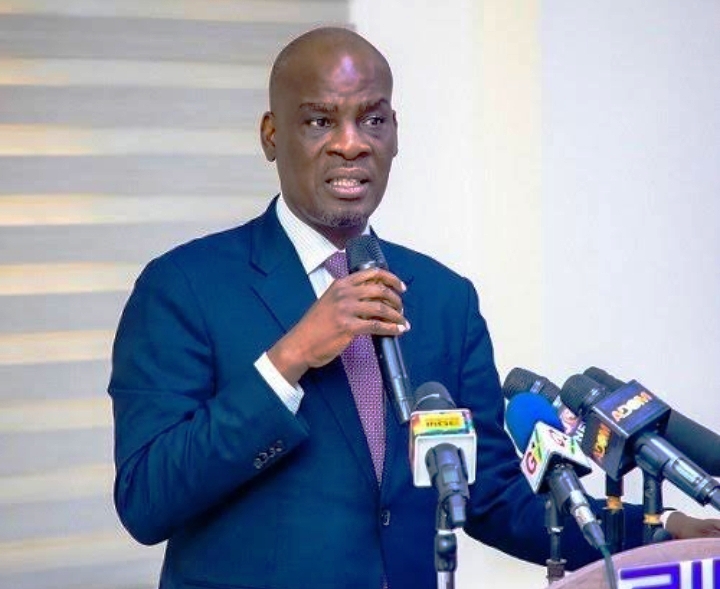
In a statement signed by Hashmin Mohammed, Press Secretary to the Minister for Education, Haruna Iddrisu, the Ministry said there was no policy or directive to make Arabic a compulsory subject for Ghanaian students.
The Ministry stressed that Arabic is a language and should not be confused with the promotion or imposition of any religious belief.
According to the Ministry, the development of a standardised curriculum for the teaching and learning of Arabic began several years before the appointment of Mr Iddrisu as Minister for Education.
It said the process started with a revision of the Arabic curriculum at the senior high school level about four years ago.
The Ministry explained that Arabic has historically been taught in English-Arabic and Islamic schools across the country following its recognition as part of the primary school curriculum.
However, it noted that these schools had previously operated without a common, officially approved Arabic curriculum, with individual schools developing and implementing their own programmes.
The National Council for Curriculum and Assessment (NaCCA), as part of its mandate, subsequently developed a standardised Arabic language curriculum to provide consistency and quality assurance in the teaching and learning of the language.
The Ministry clarified that NaCCA’s recommendation for the adoption of the curriculum was intended primarily for existing Islamic and English-Arabic schools, as well as other public primary schools that may voluntarily choose to implement it.
It emphasised that the curriculum was not designed to make Arabic a mandatory subject in public schools.
“There is no policy or directive to impose the study of Arabic on Ghanaian students,” the Ministry stated.
It further said there are already hundreds of Islamic schools across the country where Arabic is taught in response to the educational and linguistic needs of their respective communities.
The Ministry maintained that the standardisation of the curriculum was aimed at providing appropriate structure, consistency and quality assurance rather than introducing Arabic as a compulsory subject.
It reiterated that Arabic, like French and other foreign languages taught in Ghanaian public schools apart from English, remains an optional subject.
The Ministry has therefore urged the public, media practitioners and other stakeholders to verify information from authoritative sources before circulating claims that could create unnecessary fear, misunderstanding or religious tension.
Source:www.kumasimail.com