


































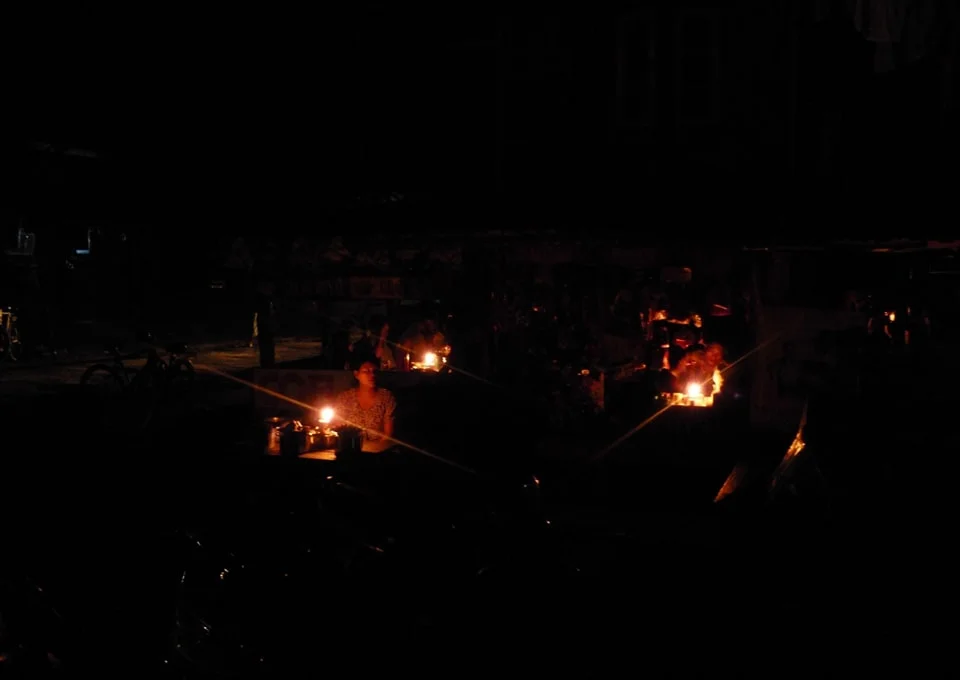
The Africa Sustainable Energy Centre (ASEC) has warned that Ghana could lose up to $2 billion annually if ongoing power outages are not urgently addressed, citing growing impacts on businesses, households, and critical sectors of the economy.


In a statement issued in April 2026, ASEC said the continued disruptions in electricity supply are already taking a significant toll on key sectors, including manufacturing, healthcare, services, and small and medium-sized enterprises (SMEs).
According to the Centre, frequent outages are driving up operational costs, reducing productivity, damaging equipment, and forcing businesses to depend on costly backup power sources—factors that collectively undermine Ghana’s economic competitiveness.
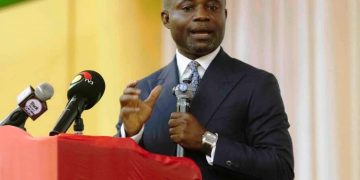
“Electricity is the lifeblood of any modern economy,” said Ing. Justice Ohene-Akoto, Executive Director of ASEC. “If Ghana continues on this trajectory, the cumulative impact could erode up to $2 billion annually. This is not just an energy issue it is a national economic emergency.”
ASEC identified several underlying causes of the power challenges, including generation constraints, inconsistent fuel supply, transmission bottlenecks, and inefficiencies in distribution systems. It added that recent operational concerns have further exposed vulnerabilities within the country’s energy infrastructure.
The Centre warned that beyond immediate financial losses, the long-term effects could include reduced foreign direct investment, slower industrial growth, job losses, and declining living standards. Critical services such as healthcare and education are also expected to be adversely affected.
To address the crisis, ASEC is calling for urgent and coordinated reforms across the energy sector.
Key recommendations include the adoption of artificial intelligence for predictive maintenance to improve grid reliability, strengthening revenue collection systems, and expanding smart metering infrastructure to reduce losses and enhance billing efficiency.
It also urged increased investment in renewable energy sources such as solar and wind, alongside measures to improve fuel security for thermal power generation.
Additionally, ASEC highlighted the need to modernize transmission and distribution infrastructure and promote energy efficiency through public awareness and policy incentives.
The Centre further emphasized the importance of stronger governance and regulatory oversight to enhance transparency and restore confidence in the sector.
ASEC called on government, private sector players, and development partners to act swiftly and collaboratively to address the crisis.
“The cost of inaction far outweighs the cost of reform,” Ing. Ohene-Akoto said, stressing that Ghana has the capacity to build a resilient and sustainable energy future if decisive steps are taken.
Source: www.kumasimail.com