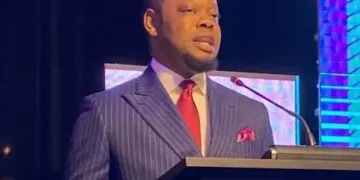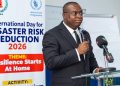

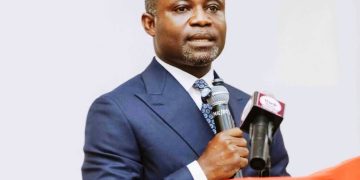

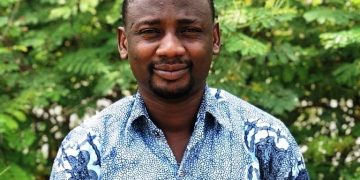
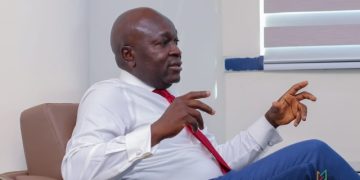
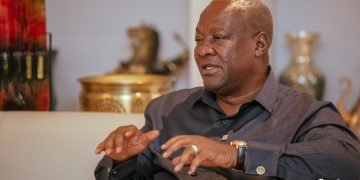


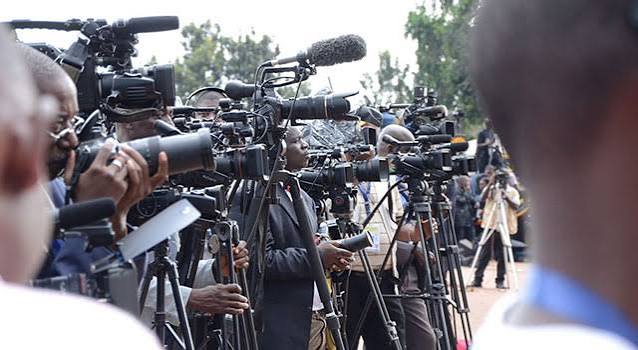
Ghanaian journalists are not doing enough to promote and protect human rights despite operating under one of the most liberal media environments in the country’s history, Dr. Michael Augustus Akagbor, Senior Programmes Manager for Human Rights and Social Inclusion at the Centre for Democratic Development (CDD-Ghana), has observed.


According to him, although the 1992 Constitution guarantees freedom of expression and media freedom, many journalists have failed to leverage those rights to deepen public understanding of constitutional freedoms and human rights issues, and choose instead to prioritise sensationalism over critical public education.
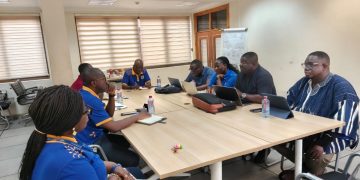
Dr. Akagbor made the remarks in an interview at the end of a two-day stakeholder capacity-building workshop on Human Rights, Non-discrimination and Protection of Vulnerable People in Ghana organised by CDD-Ghana in Tamale.
The workshop brought together representatives from the Ghana Police Service, Ghana Prisons Service, National Commission for Civic Education (NCCE), Environmental Protection Agency (EPA), Ghana Education Service (GES), religious organisations, civil society organisations, and the media to strengthen their understanding of human rights principles and build a network of institutions capable of promoting and protecting the rights of vulnerable and marginalised people in Ghana.
The training formed part of CDD-Ghana’s broader efforts to deepen public understanding of constitutional rights, promote non-discrimination and equip key stakeholders with the knowledge required to advance human rights within their respective institutions. Presentations focused on emerging human rights issues in Ghana, international and domestic human rights frameworks, Ghana’s constitutional obligations, and the implications of the Ghanaian Family Values Bill 2026.
Speaking on the role of the media, Dr. Akagbor said journalism itself is anchored on fundamental constitutional rights, making journalists natural defenders of human rights.
“I don’t think our journalists have really done a good job,” he said.
“I don’t entirely blame journalists because I doubt that human rights are adequately taught in journalism schools. Yet the media itself rides on constitutional rights such as freedom of speech and freedom of expression. Those are the very rights that empower journalists to perform their work.”
He said many practitioners fail to recognise the close relationship between journalism and human rights, resulting in missed opportunities to educate the public on issues affecting constitutional freedoms and vulnerable populations.
According to him, Ghana’s current media environment offers freedoms previous generations of journalists could only dream of.
“If journalists from the 1970s were able to wake up today and see the level of freedom journalists now enjoy, they would tell you how fortunate you are.”
He noted that today’s journalists possess enormous influence to shape national discourse, hold leaders accountable and produce knowledge that strengthens democracy, but questioned whether that influence was being used responsibly.
“Today journalists have the power to create discourse and produce knowledge about society. The question is: how are we using it? We are sensationalising almost everything. Instead of critically examining issues, we chase headlines, and in some instances we are adding to the confusion confronting the country.”
Dr. Akagbor stressed that responsible journalism should go beyond reporting events to helping citizens understand their constitutional rights and responsibilities.
He explained that human rights education remains weak in Ghana largely because many citizens are unaware of the protections available under the Constitution.
“There is a significant lack of public knowledge about rights. Many people simply do not know the rights that accrue to them as Ghanaians. Because of that, people suffer violations without even realising they have constitutional avenues for redress.”
To illustrate the point, he referred to routine interactions between motorists and police officers.
According to him, while police officers have the authority to enforce traffic regulations, citizens also possess constitutional rights during such encounters.
“When a police officer stops you, you have the constitutional right to ask why you have been stopped. The officer is required by law to explain the reason and also inform you about the next steps. Unfortunately, many people do not know these rights, and that ignorance often creates opportunities for abuse and even bribery.”
He argued that a better-informed public would strengthen accountability within state institutions while reducing opportunities for corruption and abuse of power.

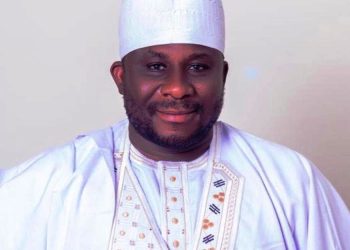
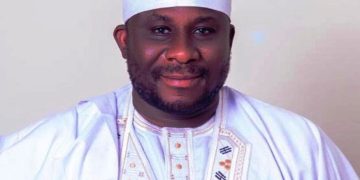
During the workshop, William Nyarko, Executive Director of the Africa Centre for International Law and Accountability (ACILA), delivered presentations on international, regional and domestic human rights frameworks, Ghana’s constitutional obligations to fulfil the rights of all persons, and the implications of the Ghanaian Family Values Bill 2026.
His presentations highlighted the legal frameworks that underpin the protection of human rights in Ghana and emphasised the need for public institutions and stakeholders to understand both constitutional guarantees and the country’s international commitments in advancing the rights of all persons.
For Dr. Akagbor, however, translating those legal guarantees into reality will depend largely on public education and responsible communication.
He believes the media has a pivotal role to play in that process—not merely by reporting violations when they occur, but by consistently educating citizens on their rights, promoting informed public debate and strengthening Ghana’s democratic culture.
“Journalists have tremendous power. The Constitution gives them that space. The challenge now is to use that freedom to build an informed society rather than one driven by sensationalism,” he said.
Source: www.kumasimail.com