





































Small and medium-sized enterprises (SMEs) in Northern Ghana are receiving renewed support to overcome longstanding challenges that have hindered their growth, as SME Grow Africa with support from MTN Adwumapa and Absa Bank Ghana, continues its SME Business Clinic aimed at equipping entrepreneurs with practical business skills.


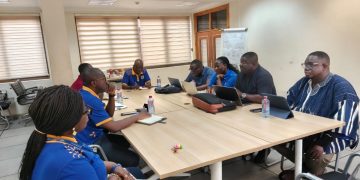
The latest edition of the clinic, held in Tamale on Thursday under the theme “Building a Strong Business Model through Unique Branding,” brought together entrepreneurs from across the Northern Region, with women making up the majority of participants.
The programme forms part of ongoing efforts to address some of the biggest obstacles confronting SMEs, including weak branding, poor record-keeping, limited digital adoption, inadequate access to finance, and the absence of strong online visibility. These factors, MTN Ghana believes, continue to limit the competitiveness and profitability of many small businesses.
Speaking to journalists, Senior Manager for SME Sales and Partnership at MTN Ghana, Abubakari Siddique Mohammed, said SMEs remain the backbone of Ghana’s economy, making it imperative for institutions to invest in their growth.
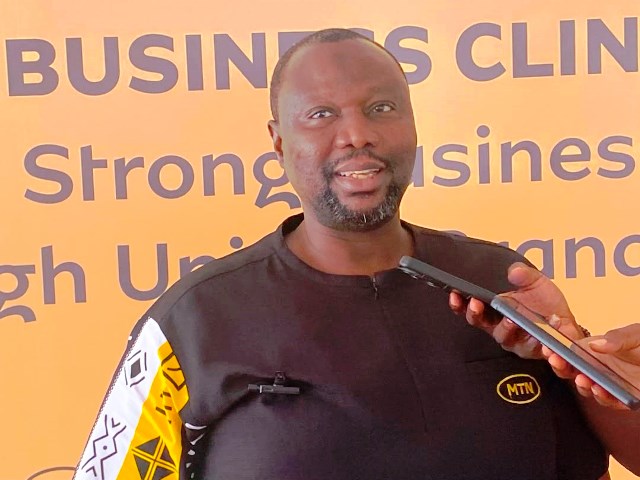
He noted that the sector contributes more than 70 percent of Ghana’s Gross Domestic Product and accounts for about 85 percent of employment, making it a critical driver of economic development.
According to him, MTN identified several capacity gaps within the SME sector, particularly in digital transformation, branding, financing and market visibility, prompting the company to support initiatives that strengthen entrepreneurs’ business management skills.
“We realised that many SMEs have not fully embraced digital transformation, struggle to access funding and lack an online presence that can connect them to international markets. Through this Business Clinic, we are helping entrepreneurs build the capacity they need to grow sustainable businesses,” he said.
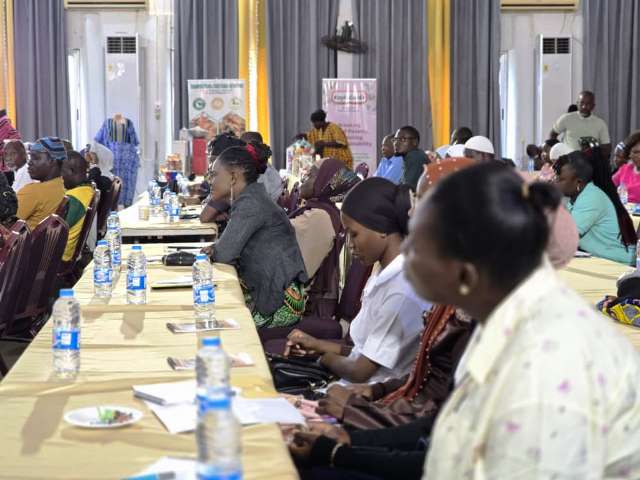
Mr. Mohammed explained that the training forms part of MTN Business’ year-long SME Accelerate programme, which provides free business development support, including branding, packaging, financial literacy and digital business solutions.
He disclosed that the programme trained more than 1,000 SMEs last year and is expected to reach at least 1,500 entrepreneurs this year across six regions, an increase from four regions in 2025.
Beyond the Business Clinic, he said selected entrepreneurs also benefit from a 13-week Mini-MBA programme organised in partnership with Nova Business School to strengthen their strategic management and leadership skills.
Recognising the dominant role women play in Ghana’s SME sector, Mr. Mohammed said MTN has also introduced the Adwumapa for Women package, which combines affordable voice, data and SMS services with telemedicine and insurance benefits tailored to women entrepreneurs.
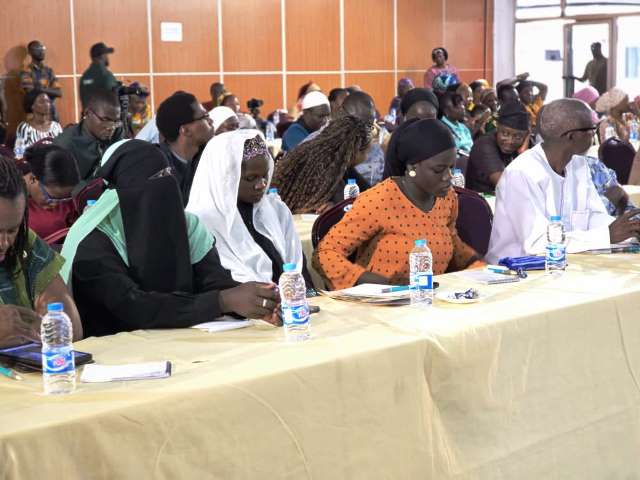
He encouraged SMEs to embrace digital tools, maintain proper financial records and invest in strong branding if they hope to compete in both local and international markets.
“If businesses can adopt digital solutions, improve their branding and separate personal finances from business finances, they will be better positioned to grow beyond survival and become profitable enterprises,” he said.
Participants described the training as timely and transformative.
Team Lead of Kayla Cares EcoCare, Ayishetu Tijani, whose enterprise manufactures reusable sanitary pads to reduce period poverty while promoting environmental sustainability, said the SME Business Clinic had challenged her to rethink how customers perceive her brand.
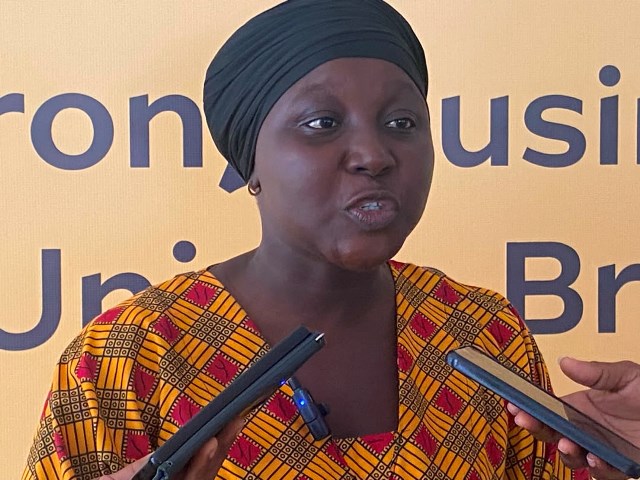
“As entrepreneurs, we sometimes think we know everything until we attend programmes like this. The session on branding made me realise that what I think about my brand may be completely different from what my customers think. It has encouraged me to focus more on understanding my customers so I can better meet their needs,” she said.
Another participant, Ignatius Saboglu, who operates a stationery business, said the training had helped him identify mistakes that had limited the growth of his enterprise.
“I have learnt the importance of identifying my competitors and understanding the market. I have been facing several challenges in my business, but I believe I am finding practical solutions through this training. We are very happy to be here,” he said.

Experts continue to identify limited access to finance, weak managerial capacity, inadequate business planning, poor branding and low digital adoption as some of the major constraints facing SMEs in Ghana.
Programmes such as the SME Business Clinic seek to bridge these gaps by exposing entrepreneurs to practical knowledge, mentorship and business development support that can improve productivity, expand market access and enhance long-term business sustainability.
For many of the entrepreneurs who gathered in Tamale, the two-day clinic represents more than just another training workshop. It offers an opportunity to rethink how they operate their businesses, strengthen their brands and position themselves for growth in an increasingly competitive marketplace.
Source: www.kumasimail.com