
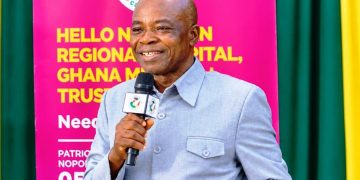
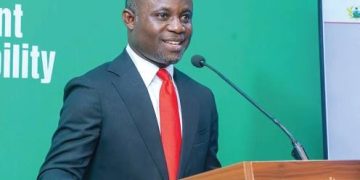
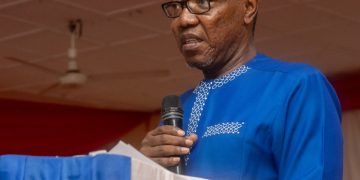
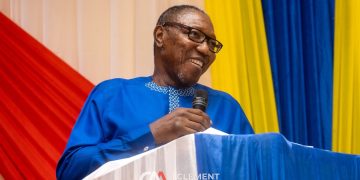




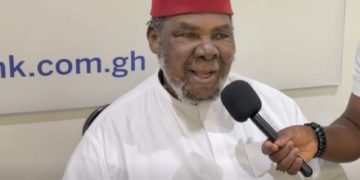
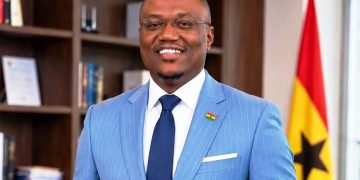



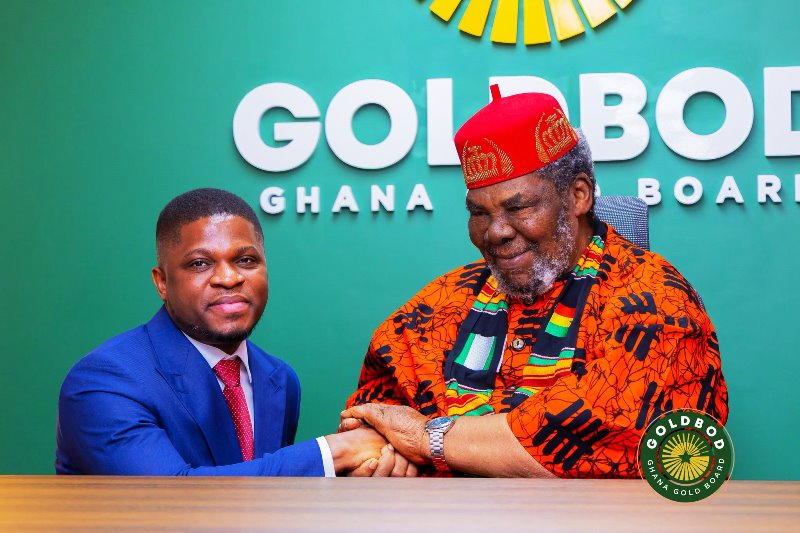
Veteran Nigerian actor and African screen legend, Chief Pete Edochie, has engaged the Chief Executive Officer of the Ghana Gold Board (GoldBod), Sammy Gyamfi, as he seeks support for a Pan-African youth mentorship initiative targeting about 500,000 young people across the continent.


Edochie paid a courtesy call on Mr Gyamfi during his ongoing visit to Ghana to launch the Pete Edochie Legacy Project, a major initiative designed to preserve his experiences and contribution to African cinema, storytelling and cultural heritage while passing lessons from his generation to younger Africans.
The project is being rolled out through a book, a documentary film and an African Youth Mentorship Initiative, with the mentorship component expected to reach hundreds of thousands of young people across Africa.
The initiative, themed “Celebrating the African Legend: The Lion That Needs Not to Roar,” forms part of a broader programme of activities in Ghana, including a legacy lecture, engagements with creatives, a gala and youth-focused activities. Recent reports on the project say its broader objective is to preserve African stories and knowledge while creating opportunities for younger generations to learn directly from established figures in the creative industry.
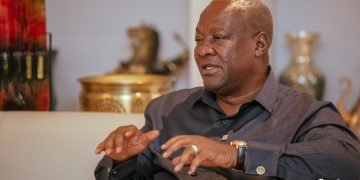
At the meeting with Mr Gyamfi, Edochie discussed the importance of creating platforms that can inspire, mentor and equip African youth, particularly at a time when the continent’s creative economy is undergoing rapid transformation.
Mr Gyamfi, according to the engagement, welcomed the opportunity for GoldBod to support the youth mentorship component, noting its alignment with the Board’s Special Intervention Programme and its broader emphasis on social impact and economic empowerment.
The proposed collaboration would extend GoldBod’s social intervention agenda beyond direct assistance to individuals and communities to a Pan-African initiative focused on knowledge transfer, mentorship and the development of young people.
GoldBod’s Special Intervention Programme has supported a range of social interventions, including health-related assistance and support for individuals and groups whose work has significant social impact. The Board has said such interventions form part of its broader commitment to ensuring that the country’s mineral resources translate into tangible benefits for citizens.
The meeting also brought Edochie’s legacy project into conversation with GoldBod’s own message about the importance of ensuring that Ghana’s natural resources contribute more directly to national development.
GoldBod’s work is referenced in Edochie’s new book, which examines aspects of African development and the need for African resources and institutions to serve the continent’s people.
Mr Gyamfi has consistently argued that GoldBod’s mandate goes beyond gold trading and foreign exchange generation, stressing the need for Ghana’s mineral wealth to have a wider impact on the economy and society.
He has previously said the performance of GoldBod should not be judged solely by financial figures but also by its contribution to foreign exchange generation, international reserves and economic stability. According to figures he cited in August, GoldBod and the Bank of Ghana generated more than US$10.8 billion in foreign exchange from the purchase and export of artisanal and small-scale mining gold.
Mr Gyamfi has also advocated an “Involve, Protect, Expand” approach to mining, arguing that host communities, young people and the wider economy must become beneficiaries of Ghana’s mineral wealth rather than remaining on the margins of the value chain.
For Edochie, the Ghana visit has increasingly become more than a celebration of his personal career.
Since arriving in Accra on September 29, the veteran actor has used his engagements to speak about the future of African storytelling and the need to preserve the continent’s creative heritage.
He has also appealed for greater support for Ghana’s struggling film industry, saying filmmakers need financial backing to produce quality films and sustain the sector. Edochie said he believed President John Mahama would respond positively if the industry made a direct appeal for support.
His choice of Ghana for the launch of the legacy initiative also underscores the cultural and creative links between Ghana and Nigeria, two of West Africa’s major film-producing countries.
Edochie, who rose to continental prominence through his portrayal of Okonkwo in the 1987 television adaptation of Chinua Achebe’s Things Fall Apart, has remained one of Africa’s most recognisable screen actors for decades.
The Legacy Project seeks to turn that long career into a resource for the next generation by documenting his experiences, sharing his knowledge and creating direct mentorship opportunities for young Africans.
With the proposed GoldBod partnership, the initiative could add an economic empowerment dimension to its cultural and creative focus, bringing one of Ghana’s key economic institutions into a Pan-African effort to invest in young people.
The engagement between Edochie and Mr Gyamfi therefore places the question of legacy beyond the preservation of an actor’s career and into a wider conversation about how Africa can preserve its stories, transfer knowledge and prepare its next generation to take ownership of the continent’s cultural and economic future.
Source: www.kumasimail.com