




























The Savannah Regional Health Directorate has raised concerns over low childhood immunisation coverage, high stillbirths, persistent anaemia among pregnant women and weak family planning uptake as the region prepares to roll out the government’s Free Primary Health Care Programme.


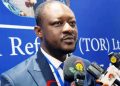
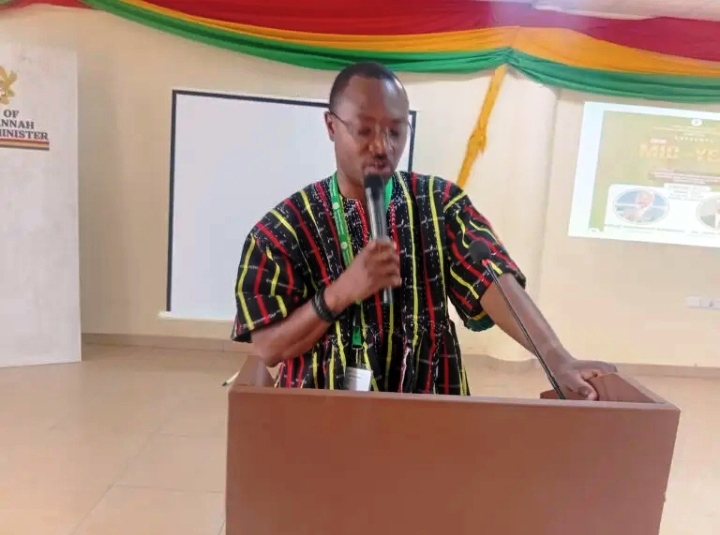
Savannah Regional Director of Health Services, Dr John Ekow Otoo, identified the gaps as priority areas requiring urgent attention during the Directorate’s 2026 Mid-Year Health Service Performance Review Meeting held at the Regional Coordinating Council in Damongo on Thursday, August 20.
He said the region was performing well on several health indicators but needed to urgently address the identified weaknesses to improve outcomes and ensure equitable access to healthcare.
Dr Otoo also raised concerns about what he described as the over-liberal prescription of antibiotics, warning that professional standards must be upheld to protect patients and strengthen the quality of care.
He said the Free Primary Health Care Programme, recently launched by government, presented an opportunity to remove financial barriers to basic healthcare, particularly for vulnerable communities.
The programme, he said, would require health workers to fully understand and embrace their responsibilities to ensure that no community in the region was left behind.
On staffing, Dr Otoo disclosed that the region currently has 2,885 mechanised and 334 non-mechanised health workers, although critical gaps remain.

He said 401 health workers had been recruited during the first half of the year, comprising 312 recruited by the Ghana Health Service and 89 by facilities under the Christian Health Association of Ghana (CHAG).
Additionally, 147 health workers were interviewed for promotion, while 91 were converted following the acquisition of upgraded qualifications.
The Regional Director, however, expressed concern about declining professional commitment among some health workers, linking the situation to an increasing number of lawsuits against the health service, including litigation involving the Savannah Regional Health Directorate over staff conduct.
He urged health professionals, particularly those in leadership positions, to treat their work as a calling and maintain the highest standards of professionalism and accountability.
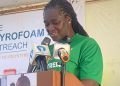
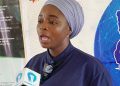
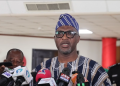
Dr Otoo made the remarks while welcoming participants to the review meeting, which he described as an important opportunity for the Directorate to critically assess its performance and identify areas requiring improvement.
Quoting Greek philosopher Socrates, he said: “The unexamined life is not worth living,” stressing the importance of regular assessment in improving health service delivery.
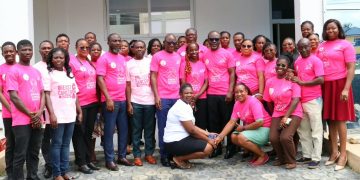
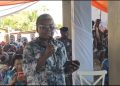
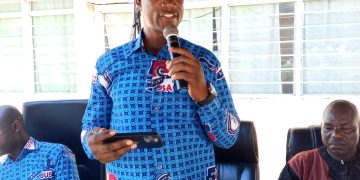
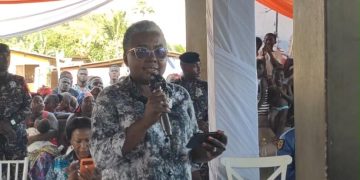
The meeting, held under the theme “Strengthening Free Primary Health Care for Universal Health Coverage – Leaving No Community Behind,” brought together District Directors of Health Services, Medical Superintendents, programme coordinators, unit heads, members of the Regional Health Directorate’s Senior Management Committee, health workers and the media.
The meeting was chaired by Alhaji Abubakari Alhassan, District Director of Health Services for Central Gonja and Chairman of the Northern Regional Chapter of the Ghana Registered Nurses and Midwives Association.
Source: www.kumasimail.com