



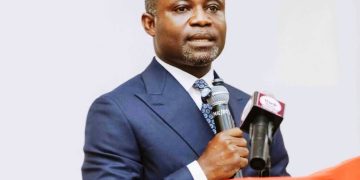


























Northern Regional Minister Hon. Ali Adolf John has warned that Ghana’s efforts to achieve sustainable development will remain elusive unless government and its partners intensify action to address the country’s growing malnutrition crisis.


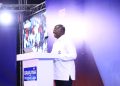
Speaking at the 2026 Conference of Nutrition and Dietetics in Tamale on Tuesday, the Minister called for stronger collaboration among government institutions, development partners, traditional authorities, civil society organisations, nutrition professionals and local communities to tackle undernutrition, overweight and obesity, and diet-related non-communicable diseases.
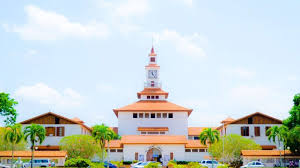
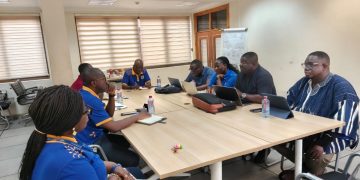
The conference, held at the University for Development Studies (UDS) under the theme, “Curbing the Triple Burden of Malnutrition: Mobilising Stakeholders for Concerted Action,” brought together representatives from the Ministry of Health, the Ghana Academy of Nutrition and Dietetics, academia, development partners, civil society organisations and the media to explore practical solutions to the country’s nutrition challenges.
Hon. Ali Adolf John described nutrition as a national development issue rather than merely a health concern, noting that poor nutrition affects education, agriculture, productivity and economic growth. He observed that while Ghana once associated malnutrition primarily with hunger, the country now faces a triple burden of undernutrition, overweight and obesity, and diet-related non-communicable diseases that continue to strain the healthcare system.
According to the Minister, many communities in the Northern Region continue to grapple with childhood stunting, wasting and micronutrient deficiencies, even as obesity, diabetes and hypertension become increasingly common among both adults and children. He warned that the trend threatens the country’s human capital and long-term development agenda.
Reaffirming government’s commitment to improving nutrition and food security, Hon. Ali Adolf John highlighted the Feed Ghana Programme (Yeridua), which encourages households, schools and communities to increase food production, strengthen food security and reduce dependence on imported food.

He also cited government’s continued investment in the Ghana School Feeding Programme, disclosing that its allocation had increased from GH¢1.79 billion in 2025 to GH¢1.98 billion in 2026 to expand coverage, improve the quality of meals and create sustainable markets for local farmers while supporting caterers. He added that government continues to invest in maternal and child health services, iron and folic acid supplementation, and community-based management of acute malnutrition.
The Minister stressed that reversing the country’s nutrition challenges requires action beyond the health sector. He urged Metropolitan, Municipal and District Assemblies (MMDAs) to integrate nutrition-sensitive interventions into their Medium-Term Development Plans, while calling on Departments of Agriculture to promote diversified food production, education authorities to strengthen nutrition education in schools, Environmental Health Units to intensify sanitation campaigns, and traditional, religious and community leaders to champion healthy lifestyles and behavioural change.
Hon. Ali Adolf John further challenged participants to develop a practical, time-bound roadmap to guide national and regional nutrition policies. He paid tribute to nutritionists and dietitians for their contribution to clinical care, research, policy development and community outreach, describing their expertise as indispensable at a time when unhealthy diets and processed foods are becoming increasingly prevalent.
He also urged government institutions, health facilities and educational establishments to strengthen the role of nutrition professionals in policy formulation and service delivery, saying their expertise remains critical to tackling Ghana’s evolving nutrition challenges and improving public health outcomes.
Source: www.kumasimail.com