





































The Emmanuel Soglizu Project (TESP) has officially launched a catfish farming initiative aimed at equipping grassroots executives of the National Democratic Congress (NDC) in the Nandom Constituency with practical aquaculture skills and sustainable income opportunities.


The initiative, dubbed the Emmanuel Soglizu Catfish Farming Initiative (ESCFI), forms part of TESP’s Agribusiness and Economic Empowerment Programme and is being implemented under the theme, “Empowering NDC Grassroots Leadership Through Agriculture, Skills Development and Enterprise Initiatives.”
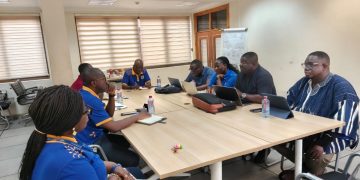
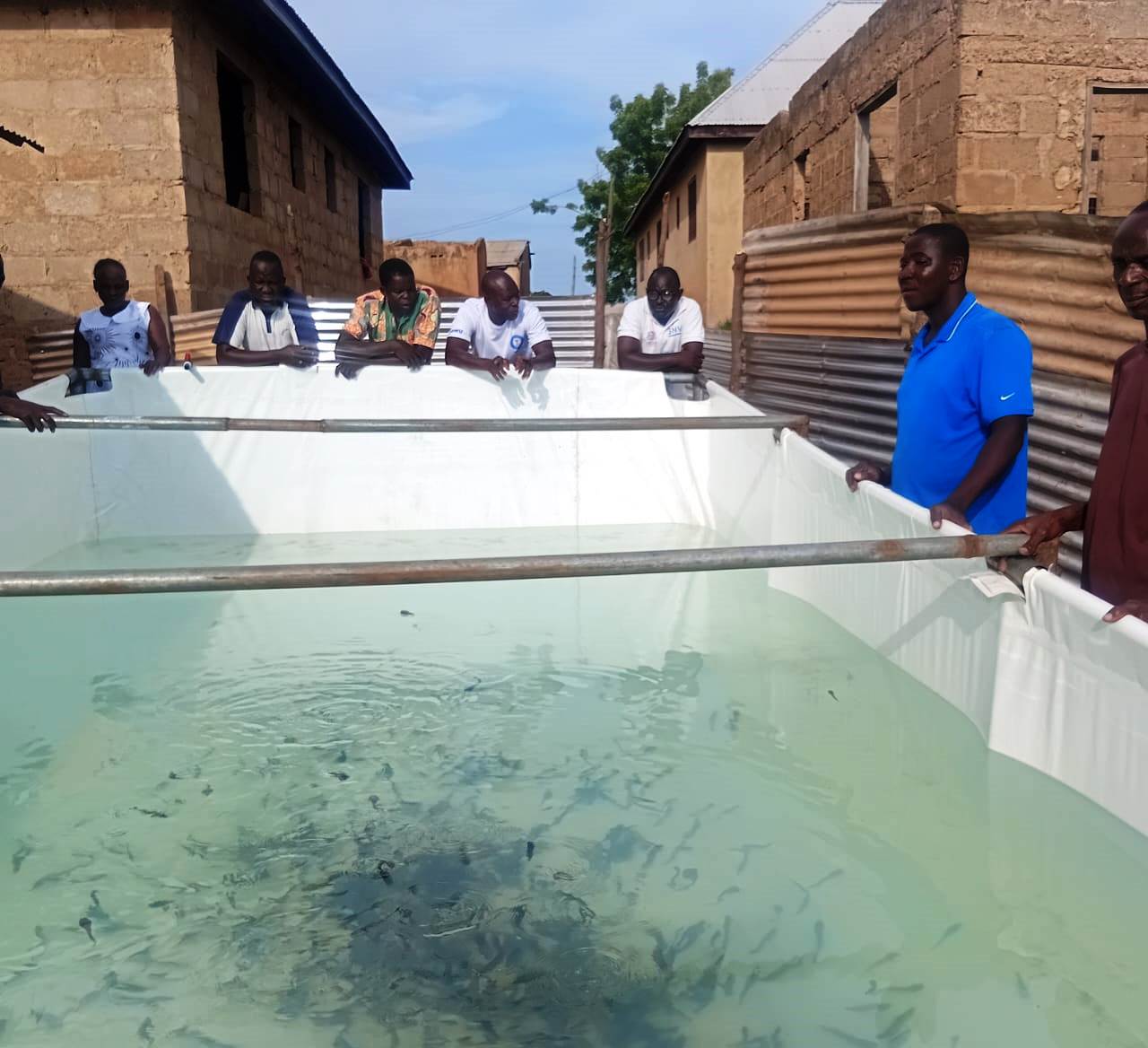
The launch, held in Nandom, brought together ward and branch executives who participated in a one-day practical training session on modern catfish farming. Participants received hands-on instruction in pond preparation, water quality management, fingerling stocking, feeding techniques, fish health management, harvesting and agribusiness management.
The first cohort comprises about twelve ward and branch executives drawn from different parts of the constituency. A total of 1,000 fingerlings are currently being used for the practical training, with participants expected to monitor their growth over the coming months as part of a continuous learning process.
Speaking to Kumasimail at the end of the training, Founder and Chief Executive Officer of TESP, Emmanuel Soglizu, said the initiative was born out of the need to address the economic challenges confronting many grassroots political leaders despite their years of dedicated service to their communities and the party.
“Our ward and branch executives spend enormous amounts of time mobilising communities, educating voters and keeping the party active at the grassroots. Unfortunately, many of them continue to struggle economically. TESP believes empowerment should go beyond words. It must create practical opportunities for people to improve their livelihoods,” he said.
Mr. Soglizu explained that the project was not intended as a one-off training exercise but rather as a long-term economic empowerment intervention designed to help participants establish viable aquaculture enterprises.

“This programme is about building entrepreneurs, not simply training fish farmers. We want participants to acquire practical knowledge, understand the economics of aquaculture and eventually establish businesses that will generate sustainable incomes for themselves and their families,” he told Kumasimail.
According to him, the initiative forms one of three agribusiness interventions that TESP is rolling out to promote skills development, enterprise creation and economic self-reliance among interested NDC ward, branch and constituency executives.
Drawing from his own experience in commercial farming, Mr. Soglizu said agriculture remains one of the most practical avenues for creating jobs and reducing poverty in rural communities.
“I have personally experienced both the challenges and opportunities within agriculture. Those experiences have convinced me that when people receive practical training, mentorship and the right support, they can build successful enterprises. That is the philosophy driving this initiative,” he stated.
As part of the programme, TESP will provide ongoing technical support and mentorship to participants while assisting committed beneficiaries with starter production inputs, including fingerlings, to enable them to establish their own fish farms after completing the training.
Mr. Soglizu disclosed that participants would continue to observe and manage the fingerlings throughout their growth cycle to gain firsthand experience in fish production before harvesting.
“They will witness every stage of the production process, from stocking to maturity. By the time the fish are ready for harvest, participants will have acquired the practical confidence needed to venture into commercial catfish farming,” he explained.
He added that while some of the mature fish would be shared among participants for household consumption, those who demonstrate commitment and intend to establish commercial farms would receive further technical guidance from TESP.
Beyond improving livelihoods, Mr. Soglizu believes the initiative has the potential to contribute to local economic development by increasing fish production within the Nandom Municipality.
“Ghana continues to import significant quantities of fish to satisfy domestic demand. We believe initiatives like this can contribute to bridging that gap while creating employment and additional household income within our communities,” he said.
The TESP founder also described the programme as a unique intervention, noting that few nonprofit organisations have deliberately designed economic empowerment initiatives specifically targeting grassroots political actors.
“We believe grassroots leaders deserve opportunities to become economically resilient. When they are economically empowered, they are better positioned to serve their communities, support their families and contribute meaningfully to local development,” he said.
Participants expressed enthusiasm about the initiative, describing the practical nature of the training as both informative and inspiring. Several indicated that they were looking forward to establishing their own catfish farms after completing the programme.
TESP expects the initiative to strengthen grassroots entrepreneurship, expand household income opportunities, increase fish production in the Nandom Municipality and contribute to broader efforts aimed at promoting sustainable community development through agribusiness.
The ESCFI is one of several social and economic empowerment programmes being implemented by TESP, a nonprofit organisation committed to promoting sustainable livelihoods, skills development and community transformation in the Nandom Municipality.
Source: www.kumasimail.com