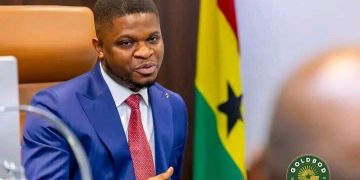


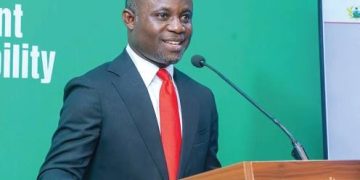









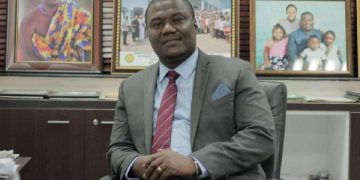






Ghana’s Minister for Health, Kwabena Mintah Akandoh, has called on health workers and the general public to take ownership of the government’s Free Primary Healthcare Programme to ensure its sustainability and protect it from possible cancellation by future administrations.


According to the Minister, widespread public acceptance and support for the initiative would make it politically difficult for any government to reverse the programme, even in the absence of specific legislation backing it.
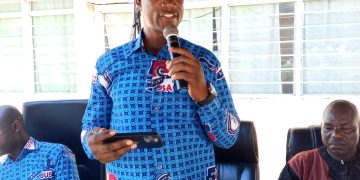
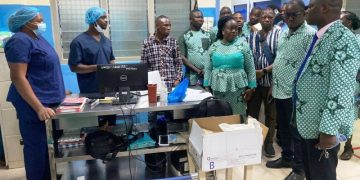
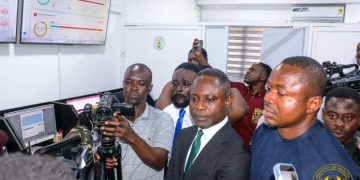
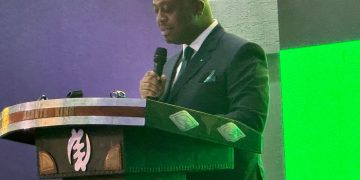
Mr. Akandoh made the remarks during a three-day sensitisation tour in the Oti Region involving Regional and District Health Management Teams ahead of the rollout of the programme.
Addressing health professionals during the engagement, the Minister stressed that the programme is funded through taxpayers’ money and not donor support, making it a national investment that must be carefully managed and protected.
“This programme is not donor-funded. It is financed with the resources of Ghanaians, and therefore every pesewa invested must be put to judicious use,” he said.
He urged health workers to serve as ambassadors of the initiative by educating communities on the benefits of primary healthcare and encouraging public participation.
Mr. Akandoh noted that several social intervention programmes introduced by previous governments have remained in place because of strong public support, adding that politicians are often reluctant to cancel policies that enjoy widespread acceptance among citizens.
“If the people embrace and value the programme, no politician can easily cancel it because they know there could be political consequences,” he stated.
The Health Minister further underscored the importance of primary healthcare in achieving universal health coverage, explaining that no country can attain a strong healthcare system without significant investment in primary healthcare services.
According to him, health experts estimate that nearly 80 percent of the country’s healthcare needs can be addressed effectively through primary healthcare interventions.
Mr. Akandoh also acknowledged the importance of legislation in supporting government programmes but maintained that laws alone may not guarantee continuity if public support is lacking.
The Free Primary Healthcare Programme forms part of government efforts to expand access to healthcare services, reduce pressure on major hospitals, and improve healthcare delivery at the community level across the country.
Source: www.kumasimail.com