






































The Minority Caucus in Parliament has called on the government to urgently recapitalise the Bank of Ghana (BoG) following what it described as massive financial losses recorded by the central bank in 2025.


According to the caucus, the Bank of Ghana recorded a loss of GH¢34.9 billion in 2025, a figure it said could rise to GH¢44 billion after excluding proceeds from gold sales.
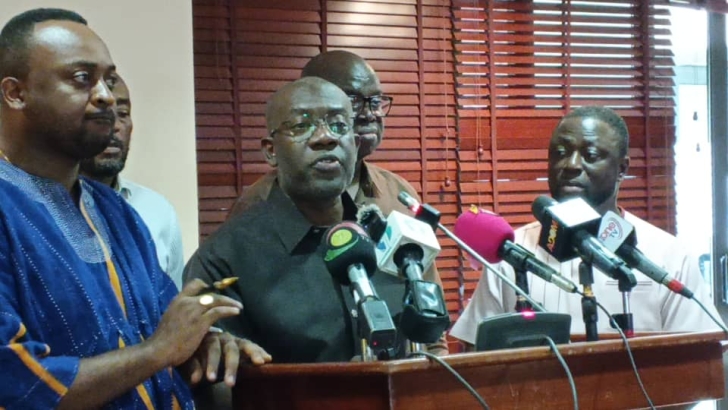
Addressing a press conference on May 3, the Minority said the financial situation at the central bank demands immediate intervention to prevent further deterioration of the economy.
In a statement issued on May 7, the caucus noted that although the Majority initially denied the figures, the Bank of Ghana later confirmed in a series of FAQs that the loss stood at GH¢34.9 billion.
“We thank the Bank for its candour,” the statement said.
The Minority Caucus proposed a nine-point recommendation aimed at restoring confidence and financial stability at the central bank.
Among the recommendations is a transparent recapitalisation plan based on an agreement between the Ministry of Finance and the Bank of Ghana. The caucus said the plan should clearly state the total recapitalisation amount, annual tranches, instruments to be used, parliamentary approval requirements and the roadmap for restoring positive equity.
The caucus also called for the inclusion of the Bank of Ghana recapitalisation in the government’s fiscal-risk analysis framework to ensure transparency and accountability.
Additionally, the Minority urged the central bank to strengthen disclosure of quasi-fiscal operations, including gold programmes, foreign exchange support operations and government-related receivables.
The statement further raised concerns about the alleged secrecy surrounding the sale of 18 tonnes of gold reserves, describing the matter as one of grave public concern.
On the Domestic Debt Exchange Programme (DDEP), the caucus called for clarity and consistency in how its impact on the Bank of Ghana is reflected in public debt statistics and fiscal accounts.
The Minority also opposed any move to amend the Bank of Ghana Act to permit monetary financing by the central bank, warning that such a decision could negatively affect the country’s economic stability.
“We strongly urge the Government to stop the unnecessary politicisation of the matter and employ these steps to save the Bank of Ghana,” the statement added.
The caucus disclosed that its recommendations had also been submitted to the International Monetary Fund (IMF) review team currently in the country for programme assessment.
The Bank of Ghana has in recent years faced increasing scrutiny over its financial performance, particularly following the implementation of the Domestic Debt Exchange Programme and broader economic challenges confronting the country.
Source:www.kumasimail.com