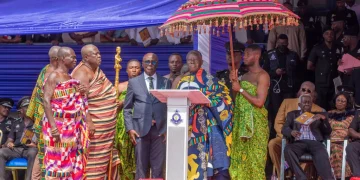































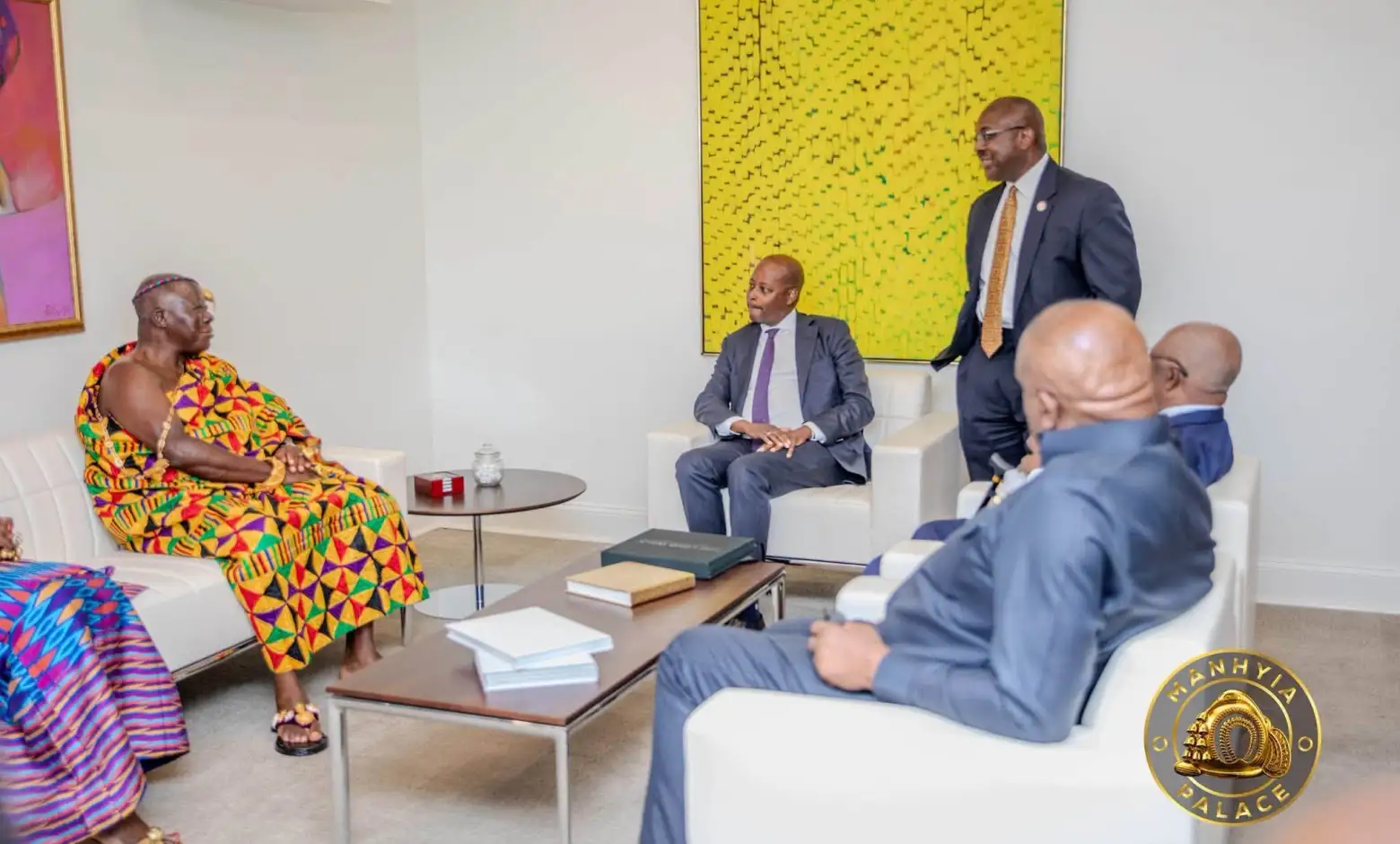
Asantehene Otumfuo Osei Tutu II has called for the establishment of a “Howard-Manhyia Dialogue” to create a structured platform for scholars and traditional leaders to examine contemporary challenges in governance, culture and African diaspora affairs.


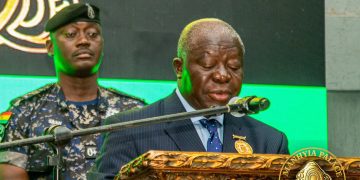
The Asantehene made the proposal during a public lecture at Howard University in Washington, D.C., on Tuesday, August 25, 2026, where he argued that African traditional institutions should be subjected to serious academic study rather than being viewed primarily through ceremonial or cultural lenses.
According to Otumfuo, stronger collaboration between universities and traditional authorities could generate new perspectives on governance and community development while deepening understanding of Africa’s indigenous systems.
“There is room for Howard-Manhyia dialogue through which scholars and traditional leaders might examine the most important questions confronting governance, culture and African diaspora nations,” he said.
He cautioned against what he described as uncritical celebration of traditional institutions, insisting that their systems and practices should instead be examined rigorously to determine their relevance to contemporary society.
“Our objective should not be to celebrate traditional institutions uncritically, but to study them seriously,” the Asantehene said.
Focus on traditional governance and justice
Otumfuo identified several areas he believes could form the basis of collaboration between Howard University and the Manhyia Palace.
They include traditional constitutionalism, customary law, mediation, restorative justice, the role of queen mothers, environmental stewardship and community mobilisation.
He said comparative research in these areas could help scholars and traditional authorities better understand the strengths and limitations of indigenous governance systems and their potential application in addressing modern challenges.
The Asantehene also proposed initiatives to strengthen links between academic institutions and African traditional authorities through sustained research and knowledge exchange.
Digital preservation of African heritage
A major component of the proposed collaboration would be the preservation of African cultural heritage through digital technology.
Otumfuo advocated a comprehensive digital heritage initiative that would bring together archives, oral histories, royal records and endangered cultural knowledge.
Such an initiative, he said, would help preserve valuable aspects of African history and make them accessible to researchers, students and future generations.
Diaspora engagement
The Asantehene further called for faculty and student exchange programmes designed to strengthen engagement between young people and African and diaspora communities.
He said such programmes should position Africans and members of the diaspora as active contributors to academic and cultural conversations rather than simply subjects of study.
Otumfuo also proposed professional partnerships that would connect physicians, lawyers, engineers, academics, artists, historians and entrepreneurs across Africa and the diaspora.
The proposed Howard-Manhyia Dialogue, therefore, would seek to bridge academia, traditional leadership and professional networks in addressing issues affecting African societies and their global communities.
The initiative reflects Otumfuo’s broader call for traditional institutions to engage more directly with academic and professional communities while contributing indigenous perspectives to contemporary debates on governance, culture and development.
Source: www.kumasimail.com