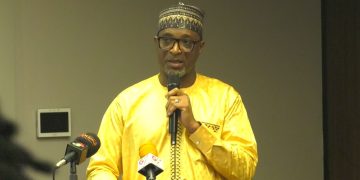



































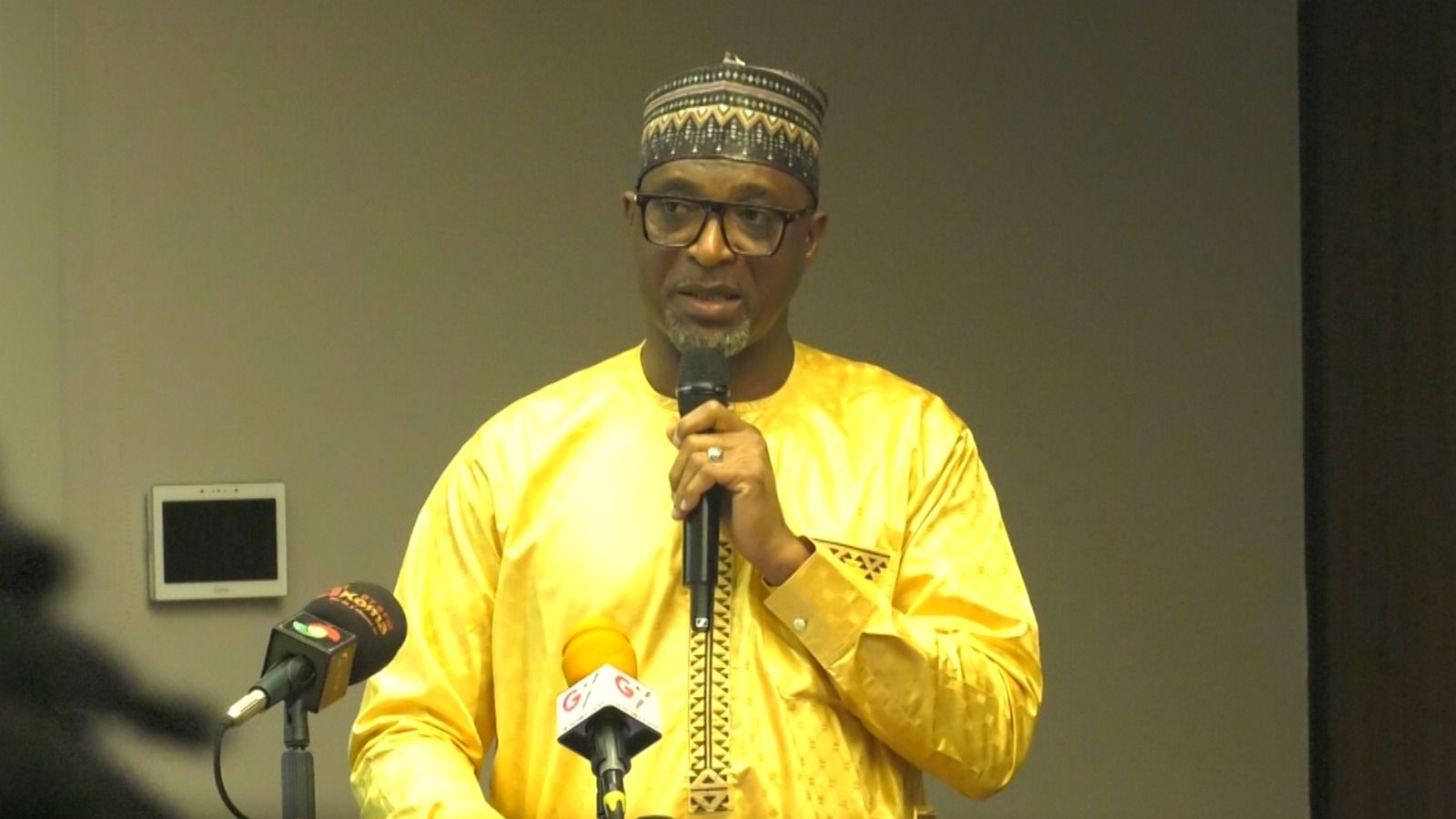
The Interior Minister, Mohammed Mubarak Muntaka, has called on Metropolitan, Municipal and District Chief Executives (MMDCEs) to make security management a core responsibility of local governance, rather than waiting for emergencies to trigger national intervention.


He said local authorities are uniquely positioned to identify emerging threats because of their proximity to communities and should therefore develop stronger systems for gathering intelligence, detecting early warning signs and coordinating responses with security agencies.
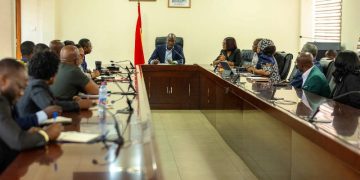
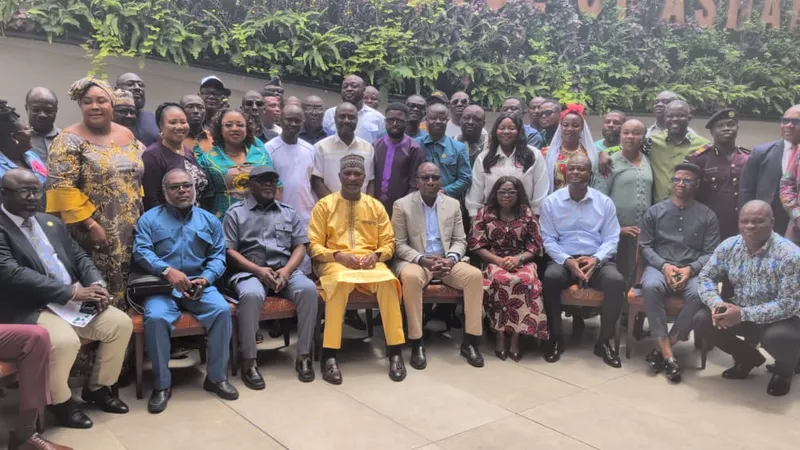
Speaking in Kumasi at a training workshop on the Security and Intelligence Agencies Act, 2026 (Act 1168), for members of the Ashanti Regional Security Council, Mr. Muntaka said local leaders must take greater ownership of security issues within their jurisdictions.
“You are supposed to be aware of everything that is happening within your municipalities. You have to take responsibility just as the President takes responsibility for the whole country,” he said.
The Minister identified illegal mining, land and chieftaincy disputes, criminal activities and the circulation of explosives as issues requiring closer attention from local security structures.
He also urged MMDCEs to establish regular contact with security agencies operating in their areas, including the police, fire service and intelligence agencies.
Mr. Muntaka questioned whether some local authorities were making adequate use of the security institutions available to them.
“How many of you have, since you became chief executive, visited even the fire station in your district? How many of you have visited the police command in your district?” he asked.
Prevention
The Minister said local authorities should treat investment in security coordination as an essential component of development, arguing that infrastructure projects could be undermined if adequate attention was not paid to security.
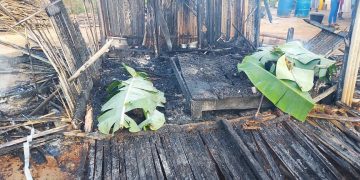
“What sense does it make for you to build a classroom that gets burnt the next day? What sense does it make to build a hospital in a community where all the facilities get vandalised the next day?” he said.
He consequently urged MMDCEs to prioritise regular security meetings and strengthen collaboration with the agencies responsible for public safety.
Mr. Muntaka also raised concerns about the availability of explosives in some mining communities, saying local authorities should be interested in how such materials are imported, transported and stored.
“If you know the regime for importing, transporting and storing explosives, you will wonder why it is easily found on the roadside in many mining areas like Konongo and Obuasi,” he said.
Stronger local intelligence
The Deputy National Security Coordinator, Maj. Gen. (Rtd) William Azure Ayamdo, said effective national security depended partly on the ability of local and regional structures to identify threats before they developed into major crises.
He said Regional and District Security Councils were important components of Ghana’s security architecture because many security challenges first become visible at the community and district levels.
“MCEs and DCEs are equally important to this process. You are closest to the communities you serve. You are often the first to know when tensions are developing, when disputes are emerging, or when there are signs of a possible security problem,” he said.
Maj. Gen. Ayamdo called for greater trust, confidentiality and cooperation among local authorities and security institutions.
“Our goal must be to build a security system that is proactive rather than reactive, coordinated rather than fragmented, and preventive rather than crisis-driven,” he said.
The workshop is part of a nationwide engagement designed to deepen understanding of Act 1168 and strengthen the capacity of regional and local security structures to identify and respond to emerging threats.
Source: www.kumasimail.com