






































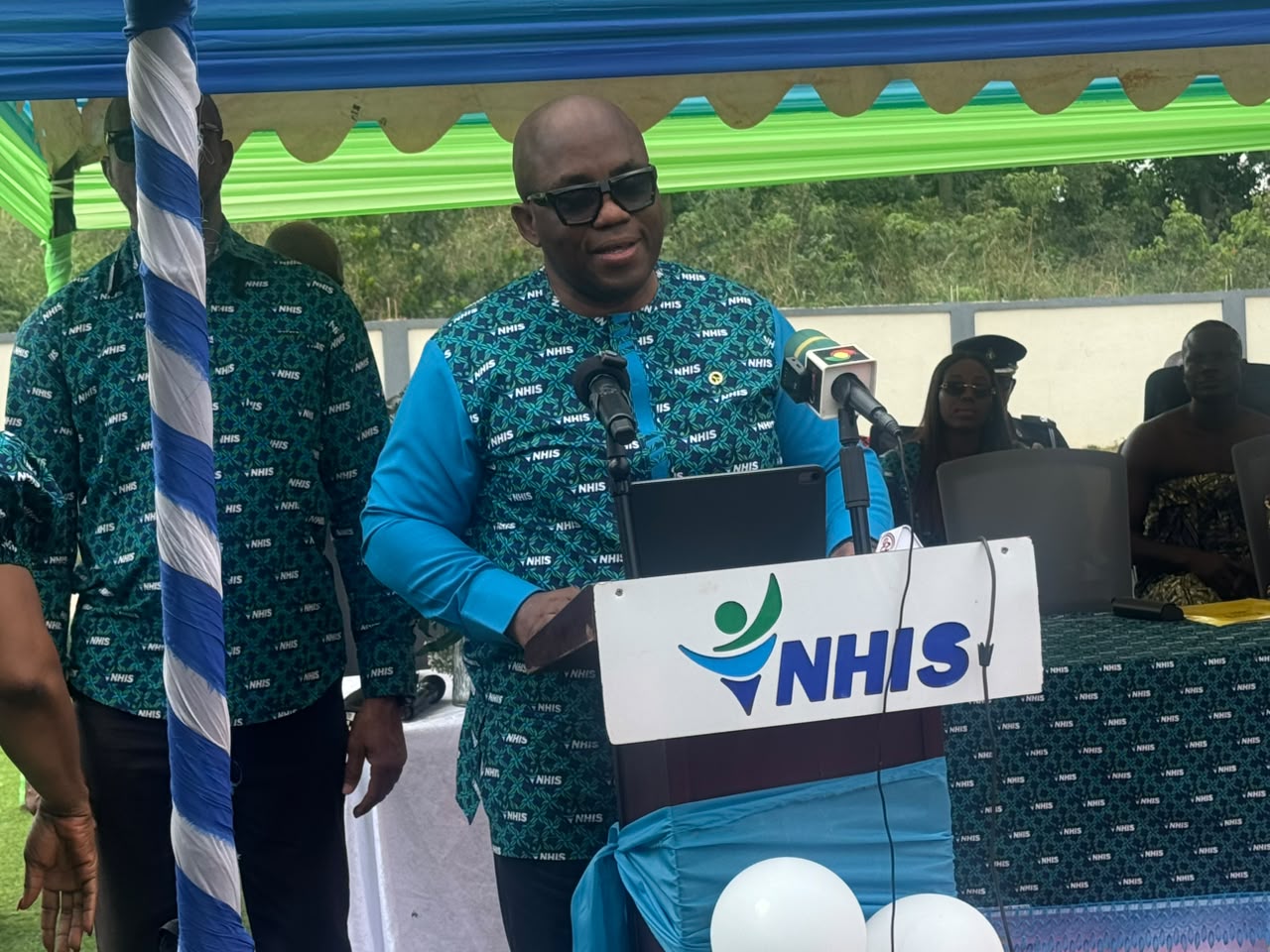
Healthcare facilities and practitioners found charging National Health Insurance Scheme (NHIS) members unauthorised fees risk financial penalties, suspension and termination of their credentials, the Chief Executive Officer of the National Health Insurance Authority (NHIA), Dr. Victor Asare Bampoe, has warned.


He said the authority was strengthening its monitoring and enforcement mechanisms and introducing a tougher sanctions regime to hold accredited healthcare providers accountable for violations of the rules governing their participation in the scheme.
The sanctions, depending on the severity of the offence, will include recovery of illegally collected payments, financial penalties, suspension from the scheme and termination of provider credentials in accordance with applicable laws and procedures.
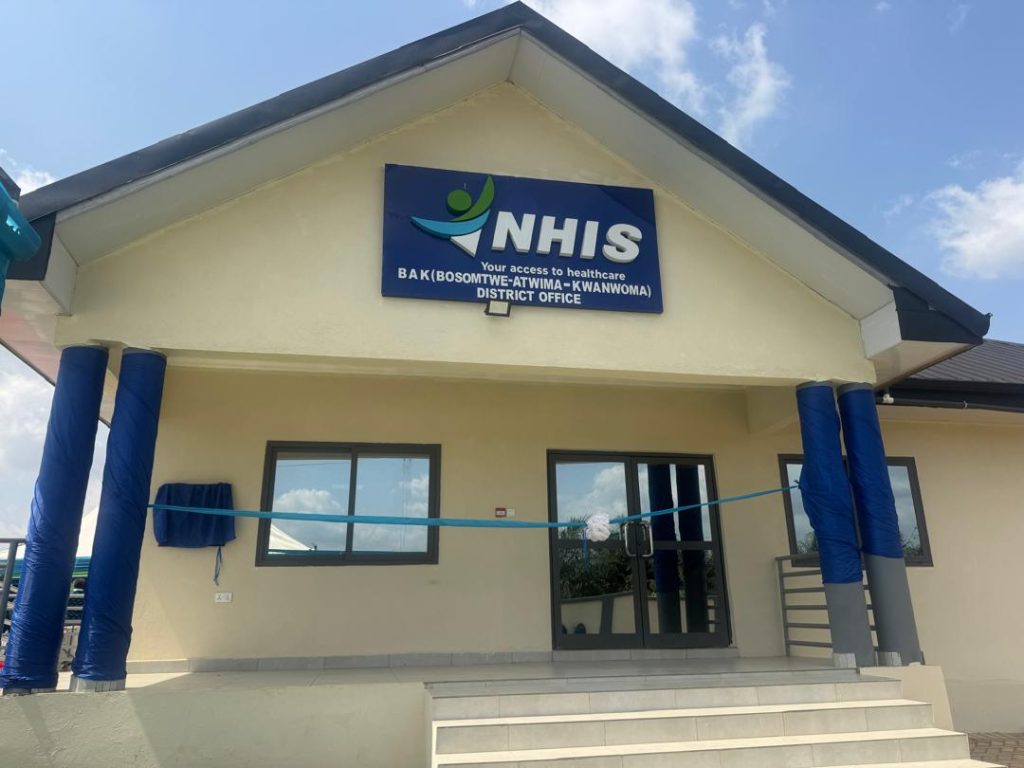
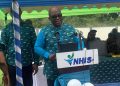
Dr. Bampoe issued the warning during the commissioning of the Bosomtwe-Atwima-Kwanwoma (BAK) District Office of the NHIA Kontanse in the Ashanti Region.
He said illegal charges and unauthorised co-payments undermined public confidence in the NHIS, particularly affecting vulnerable and indigent members who often had little choice but to pay when confronted with such demands.
“Public trust cannot be restored if members continue to encounter illegal charges, unauthorised co-payments and demands for money for services that should be covered by their health insurance,” he stressed.
The NHIA CEO welcomed recent directives by the leadership of the Ghana Health Service, the Christian Health Association of Ghana and the Private Health Facilities Association of Ghana, instructing their respective facilities to stop charging unauthorised fees to NHIS members.
He, however, insisted that the directives must result in immediate and sustained compliance across all healthcare facilities.
Dr. Bampoe assured providers that the NHIA remained committed to settling legitimate claims, noting that payments were made monthly and, in some instances, twice a month.
He said the authority sought to build a fair and accountable partnership with healthcare providers rather than antagonise them, stressing that patients must remain at the centre of healthcare delivery.
NHIA introduces attendance verification system
As part of efforts to strengthen internal controls and minimise financial leakages, the authority is implementing a one-time attendance verification system known as the Kotak system.
Dr. Bampoe explained that the system would generate unique codes to authenticate members’ attendance at healthcare facilities, verify services rendered and prevent fraudulent claims and abuse of NHIS funds.
He urged accredited healthcare providers to cooperate fully with the implementation, emphasising that public funds entrusted to the authority must be protected and used for their intended purpose.
BAK records 371,829 active NHIS members
Providing an update on membership in the Bosomtwe-Atwima-Kwanwoma operational area, Dr. Bampoe disclosed that the two districts had an estimated population of 427,911, with 371,829 active NHIS members as of September 2026.
He also revealed that indigent registration had increased from 23,480 in December 2025 to 140,266 in September 2026.
He described the increase as significant progress towards ensuring that vulnerable people were not denied access to healthcare because of their financial circumstances.
He commended the Ashanti Regional Management, BAK District Management and frontline staff for their contribution to the growth in membership and service delivery.
The NHIA CEO further announced plans to establish a satellite office at Peposo to improve access to the authority’s services and strengthen its operations in the area.
NHIA outlines key priorities
Dr. Bampoe said his administration’s vision for the authority focused on three priorities: strengthening internal controls and operational efficiency, rebuilding public confidence in the NHIS and advancing the government’s flagship health programmes.
He identified the Free Primary Healthcare initiative and the Ghana Medical Trust Fund, popularly known as MahamaCares, as key programmes the authority was committed to supporting.
He said the newly commissioned BAK District Office would bring NHIA services closer to residents and serve as a centre for membership registration, public education, stakeholder engagement and the resolution of complaints.
He urged staff to demonstrate professionalism, discipline and accountability, while calling on traditional authorities, religious leaders and community stakeholders to support membership mobilisation and indigent registration.
He also encouraged residents to renew their NHIS membership promptly and report challenges encountered in accessing services under the scheme.
Dr. Bampoe said the authority’s success would ultimately be measured by the quality of healthcare members received, the protection offered to vulnerable populations and the public’s confidence in the scheme.
He reiterated that the NHIA would not compromise on enforcing its rules, warning that no healthcare facility or practitioner was above the regulations governing participation in the NHIS.
Source: www.kumasimail.com